

Archive · 4 Sep 2025
Indus Waters Treaty: Differing Views on Fairness
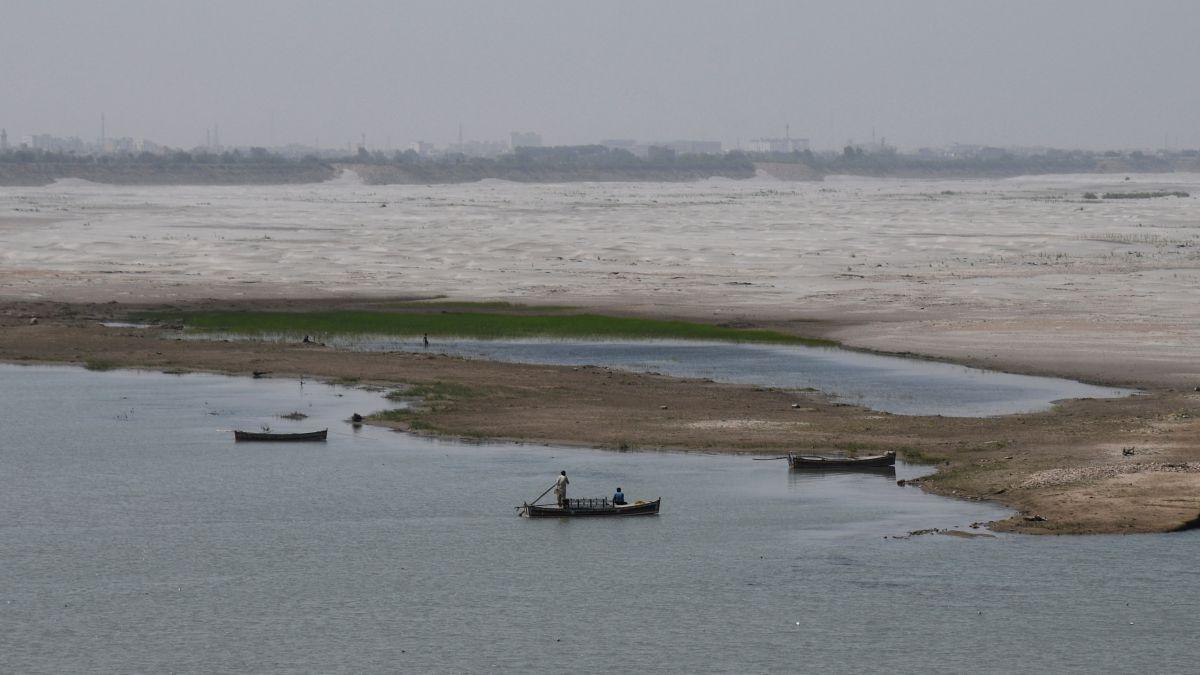
The Indus Waters Treaty, which divides river water between India and Pakistan, is being debated.
Some experts argue the treaty is an engineering agreement, not a political one, and that India didn't give away water.
They explain that the rivers naturally flow a certain way, and India uses the water for its needs.
Others claim the treaty is unfair, giving Pakistan too much leverage, and that India was too eager to sign it.
The focus of the discussions was to assess the perceived fairness and technicalities associated with this complex agreement.

Experts discussed the Indus Waters Treaty and its perceived fairness.
T C A Raghavan argued the treaty is an engineering agreement.
India uses eastern rivers, Pakistan uses western rivers with some exceptions.
Some critics view the treaty as unfair to India.
The treaty was a resolution to disagreements since 1947.
- Who
- Experts and former officials
- What
- Discussed the Indus Waters Treaty between India and Pakistan.
- When
- Wednesday
- Where
- Discussion based on a recently released book.
- Why
- To analyze the treaty's fairness and impact.
Pro-Treaty
Anti-Treaty
Fairness of the Treaty
Pro-Treaty
The treaty resolved ongoing disagreements, not a one-sided deal, and prioritized India's development.
Anti-Treaty
The treaty is fundamentally unfair, giving Pakistan considerable leverage over India.
- Treaty Date
- 1960
- Eastern Rivers (India)
- Ravi, Beas, and Sutlej
- Western Rivers (Pakistan)
- Indus, Jhelum, and Chenab
- India's High Commissioner to Pakistan (former)
- T C A Raghavan