

Archive · 10 Jan 2026
Empowering Women Farmers Worldwide for Agricultural Growth
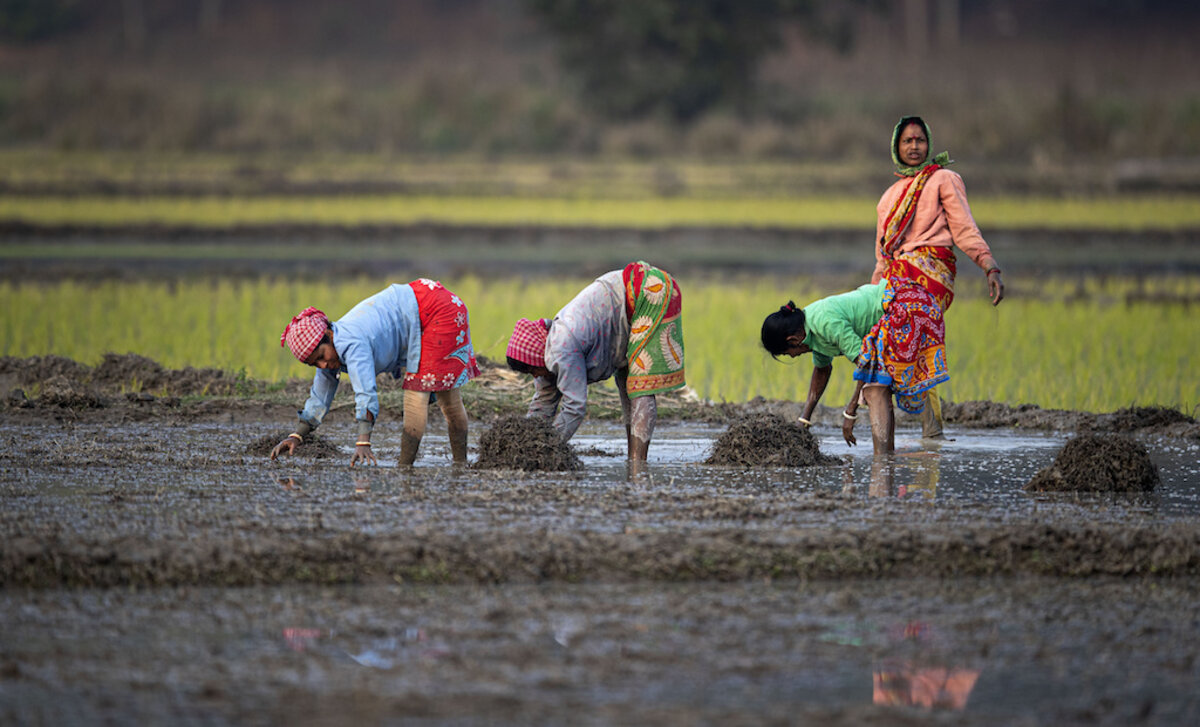
Women make up a big part of the farming workforce, but they often don't get the same chances as men.
They work really hard but are paid less and don't own much land.
This makes it hard for them to do their best.
If women farmers had the same tools and support as men, they could grow more food and help feed more people.
To fix this, we need to change how society treats women farmers and give them better access to land, money, and training.
This would help everyone, including their families and the whole world.

Women constitute over 43% of the global agriculture labor force but face significant cultural and socio-economic constraints.
Women farmers often lack recognition and access to government schemes, training, and resources due to gender bias.
Empowering women farmers could increase agricultural yields by 20-30% and reduce world hunger by 12-17%.
Women farmers work longer hours than men and bear additional domestic responsibilities without adequate support.
Initiatives like the Gene Campaign's Mahila Kisan Samitis aim to empower women farmers through training and recognition.
- Who
- Women farmers worldwide, particularly in developing countries
- What
- The lack of recognition, resources, and opportunities for women farmers
- When
- Ongoing issue with historical roots
- Where
- Globally, with a focus on Africa, Asia, and the Pacific region
- Why
- Cultural and socio-economic constraints, gender bias, and lack of policy support
- Women's Contribution to Agriculture
- Over 43% of the global agriculture labor force
- Potential Yield Increase
- 20-30% if given equal access to resources
- Additional Agricultural Output
- 2.5-4% with equal resource access
- Reduction in World Hunger
- 12-17% with equal resource access
- Weekly Work Hours Difference
- Women work 12-13 hours more per week than men in developing countries
- Gene Campaign Initiatives
- Established Mahila Kisan Samitis for women farmers
- Training Programs
- Agronomic practices, millet cultivation, entrepreneurship, financial literacy