Archive · 17 Jan 2026
Strategic Autonomy in Global Politics
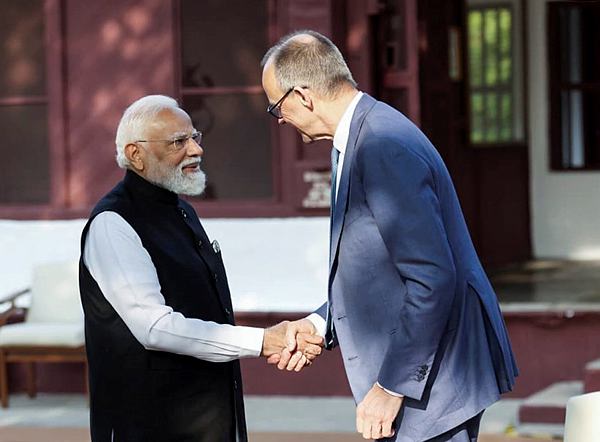
Strategic autonomy is like a country's ability to make its own decisions about foreign policy and security without relying too much on other powerful countries.
During the Cold War, countries like India stayed neutral to have more freedom to move around.
Now, as the world changes with new powerful countries emerging, and the US using trade and technology as tools, countries are trying to make sure they aren't too dependent on any one power.
They do this by making friends with different countries and building up their own strengths, like controlling important resources and advanced manufacturing.
For example, India and Europe are working more closely together to protect themselves from risks and keep their independence.

Strategic autonomy is a state's ability to make independent foreign policy and security decisions.
It involves diversifying partnerships and building capabilities to avoid dependency and coercion.
During the Cold War, countries like India practiced non-alignment and equidistance to maximize maneuverability.
In the 21st century, emerging powers are reviewing their dependency due to US coercion and the rise of China and Russia.
India and Europe are deepening ties to hedge against volatility and maintain strategic autonomy.
- Who
- Middle and rising powers, including India and Europe.
- What
- Strategic autonomy is the ability to make independent foreign policy and security decisions.
- When
- Against the backdrop of a shifting international order and growing alignment between China and Russia.
- Where
- Globally, with a focus on India and Europe.
- Why
- To avoid dependency and coercion, and to manage volatility in the international order.
Proponents of Strategic Autonomy
Critics of Strategic Autonomy
Dependency on Major Powers
Proponents of Strategic Autonomy
Countries should diversify partnerships to avoid over-reliance on any single power, ensuring independence in decision-making.
Critics of Strategic Autonomy
Relying on major powers can provide stability and security, and complete autonomy may not always be feasible or beneficial.
Economic and Military Strength
Proponents of Strategic Autonomy
Building economic and military capabilities is crucial for strategic autonomy, allowing countries to protect their interests independently.
Critics of Strategic Autonomy
Investing heavily in economic and military capabilities can be costly and may strain resources that could be used for other developmental needs.
Geopolitical Alliances
Proponents of Strategic Autonomy
Forming alliances with multiple countries can help balance power dynamics and reduce the risk of coercion from any single power.
Critics of Strategic Autonomy
Alliances can sometimes limit a country's flexibility and force it into conflicts or decisions that may not align with its national interests.
- Definition
- A state's ability to make foreign policy and security decisions independently, with necessary resources and partnerships.
- Key Factors
- Diversified partnerships, control of critical minerals, chokepoints, and advanced manufacturing.
- Examples
- India and Europe deepening ties to hedge against volatility and maintain strategic autonomy.
- Cold War Context
- Countries like India practiced non-alignment and equidistance to maximize maneuverability.
- 21st Century Shift
- Emerging powers review dependency on trade, finance, technology, and security due to US coercion.
- Current Influences
- Russia's invasion of Ukraine, an inward-looking US, and China-Russia alignment shape strategic autonomy.
- India's Efforts
- Deepening ties with Germany and wider Europe to hedge against strategic risks.
- US-Led Initiatives
- India's delayed entry into the US-led Pax Silica and Minerals Security Partnership.