Archive · 18 Sep 2026
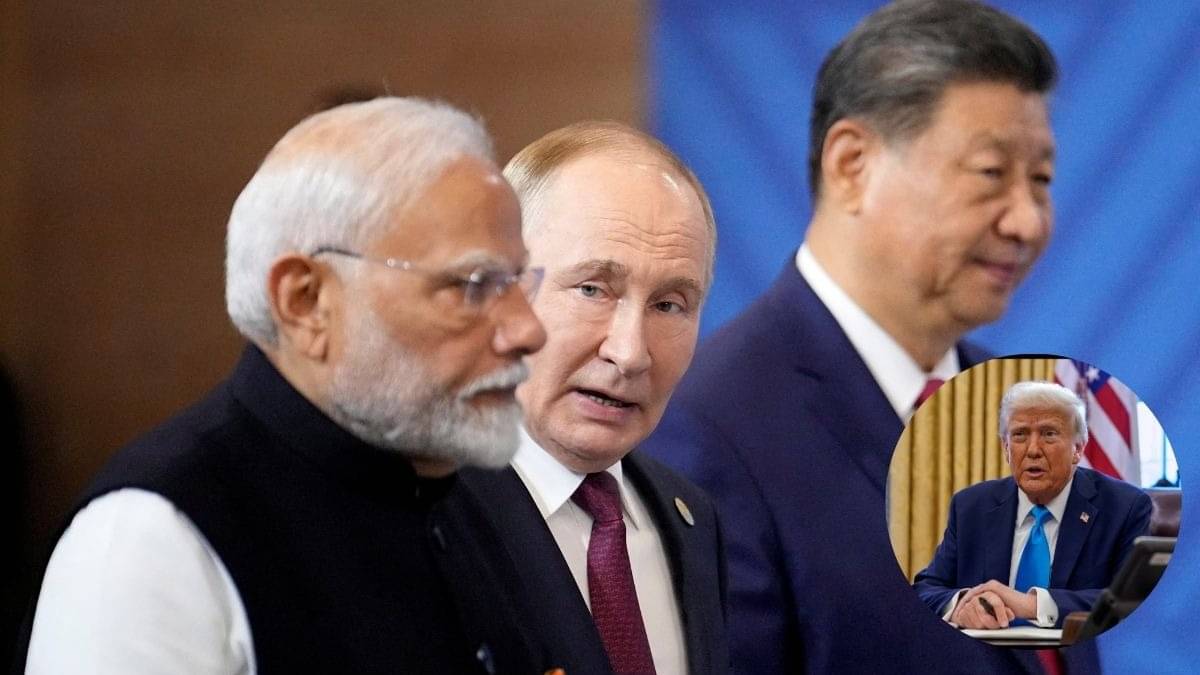
India, China and Russia Resist US Russia Sanctions Bill
The United States has approved a bill that puts more pressure on Russia and Iran.
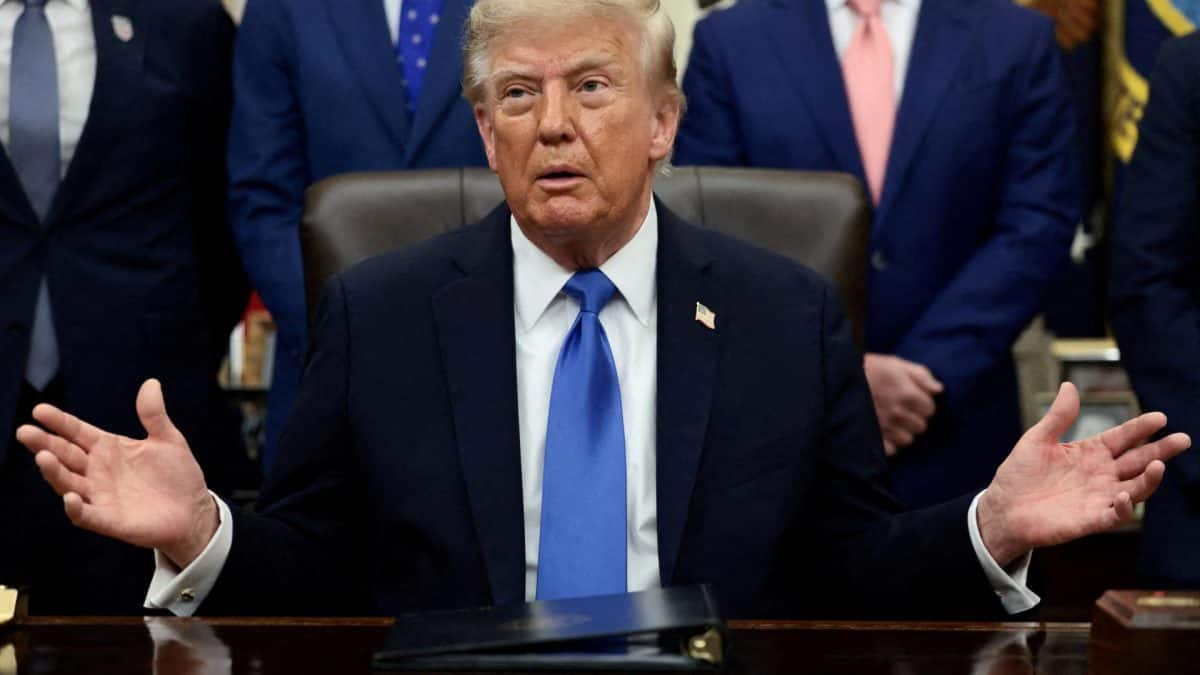
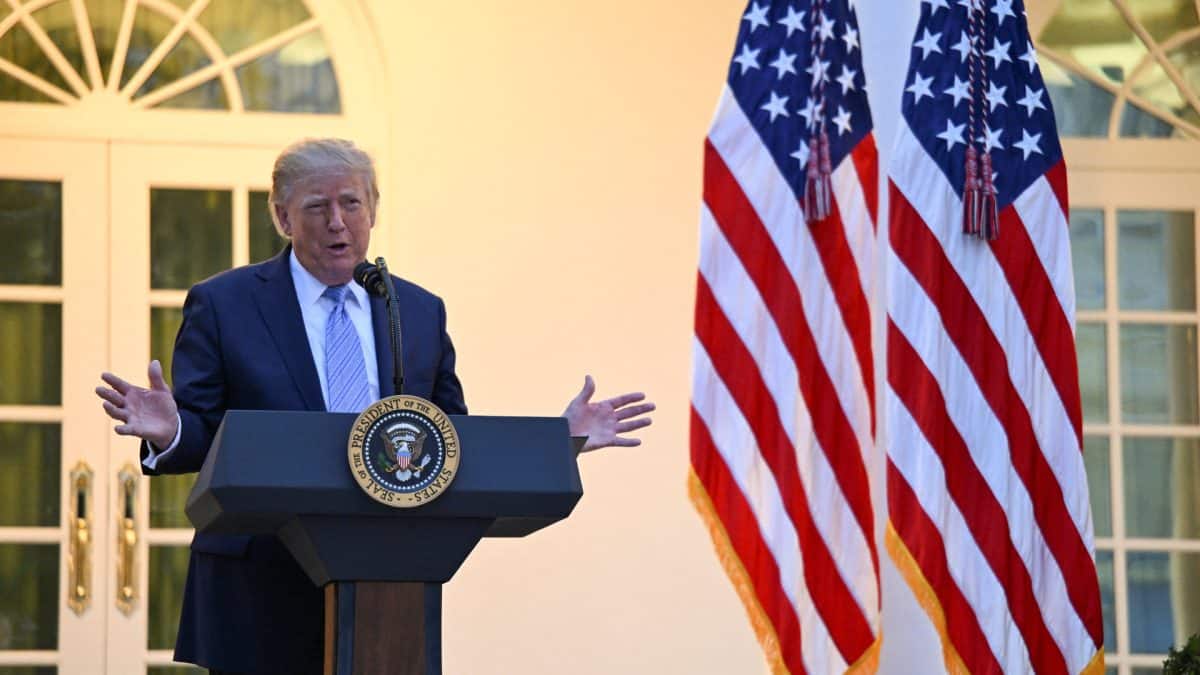
The bill has passed both chambers of Congress and is expected to be signed by President Donald Trump.
It could allow the president to put tariffs as high as 100 percent on countries that keep buying Russian oil and gas.
India and China are among the countries that could be affected.
The bill does not automatically place a 100 percent tariff on either country.
India says it needs reliable energy for its 1.4 billion people and will look for supplies from different places.
China says the United States should not interfere with normal trade between countries.
Russia says the new measures could make peace efforts in Ukraine harder.

The US House passed the Lindsey O. Graham Sanctioning Russia and Iran Act of 2026 by 262-159 after Senate approval.
The bill would authorize tariffs of up to 100 percent on goods from countries that continue buying Russian oil or gas.
India and China could potentially face the tariffs, but the legislation does not automatically impose them.
India cited energy security, bilateral trade and global energy-market risks, while saying it would diversify supplies.
China rejected unilateral sanctions and US “long-arm jurisdiction,” while Russia said further measures could hinder peace efforts in Ukraine.
- Who
- The United States, India, China and Russia are the main parties involved; President Donald Trump is expected to decide whether to sign the bill.
- What
- The US Congress passed a bill expanding sanctions on Russia and Iran and authorizing possible tariffs on major buyers of Russian energy.
- When
- The House passed the measure on Wednesday by 262-159; responses followed, and a White House official said Donald Trump plans to sign it.
- Where
- The legislation passed in the United States Congress, while reactions came from New Delhi, Beijing and Moscow.
- Why
- Supporters seek to increase economic pressure on Russia, while India, China and Russia object to possible effects on energy security, trade, international norms and Ukraine peace efforts.
US Pressure on Russia
Objections from India, China and Russia
Sanctions and tariffs
US Pressure on Russia
Supporters say the bill would increase pressure on Moscow by restricting revenue linked to Russia's energy trade and giving the president authority to impose tariffs of up to 100 percent on major buyers.
Objections from India, China and Russia
India warned of risks to bilateral trade and global energy markets, China rejected coercion of normal trade, and Russia called the measure unfriendly.
Energy security
US Pressure on Russia
The legislation gives the US president another tool to discourage continued purchases of Russian oil and gas; it does not itself impose a 100 percent tariff on India or China.
Objections from India, China and Russia
India says securing energy for its 1.4 billion people is a fundamental responsibility and that replacing Russian crude could affect costs, supplies and markets.
International relations and Ukraine
US Pressure on Russia
The measure is intended to tighten pressure on Russia and extend existing US sanctions on Iran for five years.
Objections from India, China and Russia
China says unilateral sanctions without an international-law basis or UN Security Council authorization are unacceptable, while Russia says they could make peace efforts in Ukraine more difficult.
- Bill
- Lindsey O. Graham Sanctioning Russia and Iran Act of 2026
- House vote
- 262-159
- Status
- Passed the House and Senate; a White House official said Donald Trump plans to sign it
- Potential tariffs
- Up to 100 percent on goods from countries continuing to buy Russian oil or gas
- Targets
- Russian officials, banks, financial institutions, energy and defence sectors, and shadow-fleet vessels
- India's position
- Energy security for 1.4 billion people remains a priority; India will diversify supplies and protect its trade interests
- China's position
- Beijing rejects unilateral sanctions and US long-arm jurisdiction without an international-law basis or UN Security Council authorization
- Russia's position
- The Kremlin calls the measure unfriendly and says further sanctions could complicate a peaceful settlement in Ukraine