

Archive · 25 Jul 2025
Masters of Disguise: 10 Animals Camouflaged to Survive
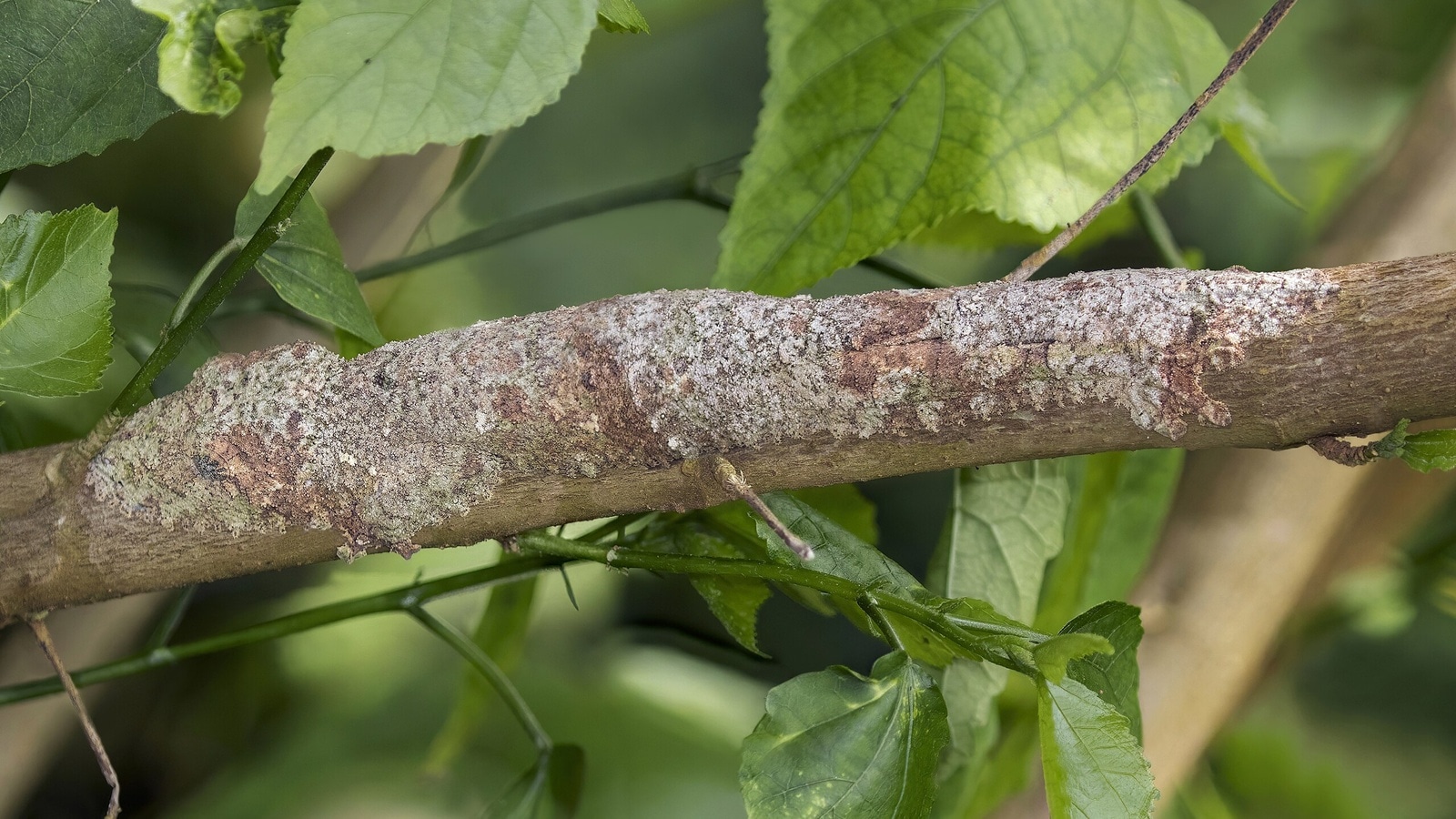
Animals use camouflage to hide from predators or sneak up on prey.
Cuttlefish change color, mimic octopuses imitate other animals, and stonefish look like rocks.
Leaf-tailed geckos blend with dead leaves, and pygmy seahorses match coral.
Stick insects resemble twigs, mountain hares change fur color with seasons, and orchid mantises look like flowers.
Decorator crabs use decorations, and common potoos resemble tree parts.
These animals use different techniques to stay hidden.

Cuttlefish can change their skin's color and texture for camouflage.
Mimic octopuses can imitate other animals, such as lionfish, for protection.
Stonefish blend in with the sea floor, using venomous spines for defense.
Leaf-tailed geckos resemble dead leaves to hide from predators.
Pygmy seahorses perfectly match the coral they live in for camouflage.
- Who
- Cuttlefish, mimic octopuses, stonefish, leaf-tailed geckos, pygmy seahorses, stick insects, mountain hares, orchid mantises, decorator crabs, and common potoos.
- What
- Various animals' camouflage techniques
- When
- Not applicable.
- Where
- Found in diverse environments including the sea, forests, and mountains.
- Why
- To survive by hiding from predators or ambushing prey.
- Animal
- Cuttlefish
- Camouflage Type
- Color and texture change
- Animal
- Mimic Octopus
- Camouflage Type
- Imitation
- Animal
- Stonefish
- Camouflage Type
- Resemblance to rocks
- Animal
- Leaf-tailed gecko
- Camouflage Type
- Resemblance to dead leaves