

Archive · 23 Jul 2026
India's ₹20,000 Crore Push for Carbon Capture
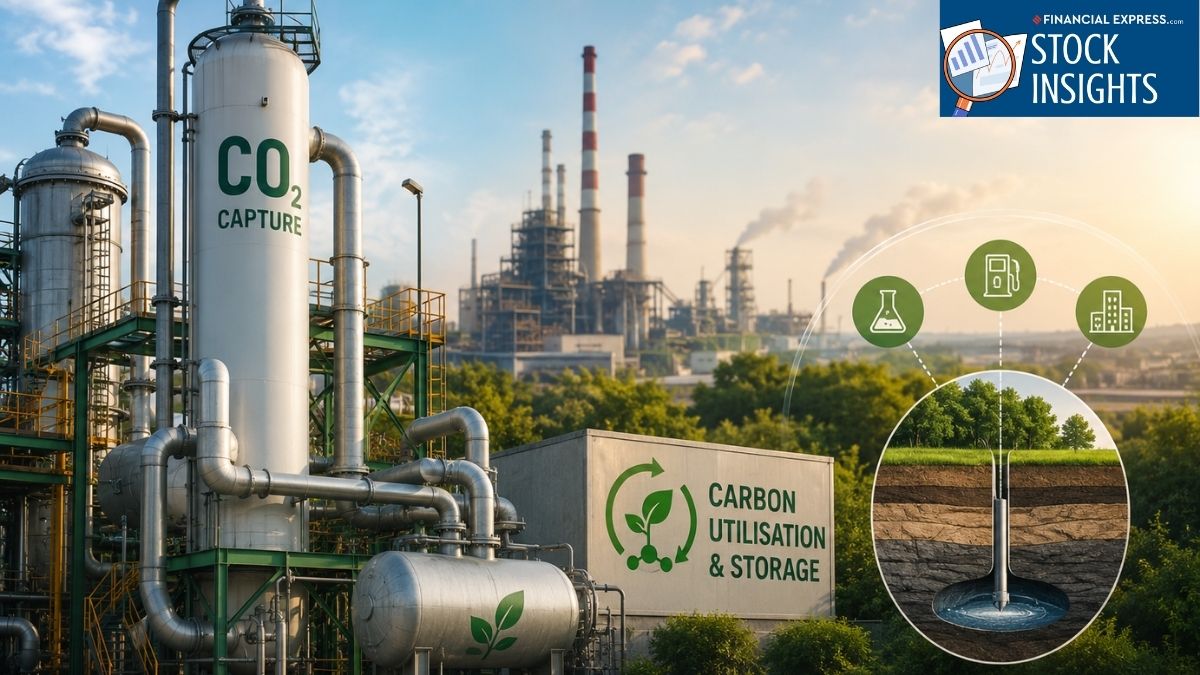
India is investing ₹20,000 crore over five years to develop and deploy Carbon Capture, Utilisation, and Storage (CCUS) technology.
This technology captures carbon dioxide before it enters the atmosphere and either stores it underground or converts it into useful products.
Three companies, Thermax, JSW Steel, and CMR Green Technologies, are leading the way in this effort.
Thermax is focusing on developing indigenous CCUS technology and has partnerships with IIT Delhi and Hindustan Petroleum.
JSW Steel is investing in pilot projects and research partnerships to scale up carbon capture in the steel industry.
CMR Green Technologies, a leader in aluminum recycling, is capitalizing on carbon credits generated from its eco-friendly processes.
This initiative aims to reduce emissions from heavy industries and help India meet its net-zero emissions target by 2070.

India is investing ₹20,000 crore over five years in Carbon Capture, Utilisation, and Storage (CCUS) technology.
Thermax is developing indigenous CCUS technology with partnerships with IIT Delhi and Hindustan Petroleum.
JSW Steel is investing in pilot projects and research partnerships to scale up carbon capture in the steel industry.
CMR Green Technologies is capitalizing on carbon credits generated from its eco-friendly aluminum recycling processes.
The initiative aims to reduce emissions from heavy industries and help India meet its net-zero emissions target by 2070.
- Who
- Indian government, Thermax, JSW Steel, CMR Green Technologies
- What
- India's ₹20,000 crore investment in Carbon Capture, Utilisation, and Storage (CCUS) technology
- When
- Announced in the Union Budget 2026
- Where
- India
- Why
- To reduce carbon emissions and meet net-zero targets by 2070
Proponents of Carbon Capture
Critics of Carbon Capture
Effectiveness in Reducing Emissions
Proponents of Carbon Capture
Proponents argue that carbon capture is a crucial technology for reducing emissions from heavy industries like steel, cement, and power, helping India meet its net-zero targets.
Critics of Carbon Capture
Critics contend that carbon capture is expensive and may delay the transition to cleaner, renewable energy sources.
Economic Viability
Proponents of Carbon Capture
Supporters believe that carbon capture can create new economic opportunities and jobs, particularly in the development and deployment of the technology.
Critics of Carbon Capture
Opponents argue that the high costs of carbon capture technologies may not be justified, especially when compared to the potential savings from investing in renewable energy.
- Total Investment
- ₹20,000 crore over five years
- Target Year for Net-Zero Emissions
- 2070
- Key Industries
- Power, steel, cement, refineries
- Thermax Order Book
- ₹13,604 crore as of 31 March 2026
- JSW Steel CO₂ Capture Capacity
- 100 Tonnes Per Day (TPD) at Salav Works
- CMR Green Carbon Credits
- 2.7 lakh tons as of April 2026