

Archive · 16 Sep 2025
Elevated Fasting Glucose: Causes and What to Do
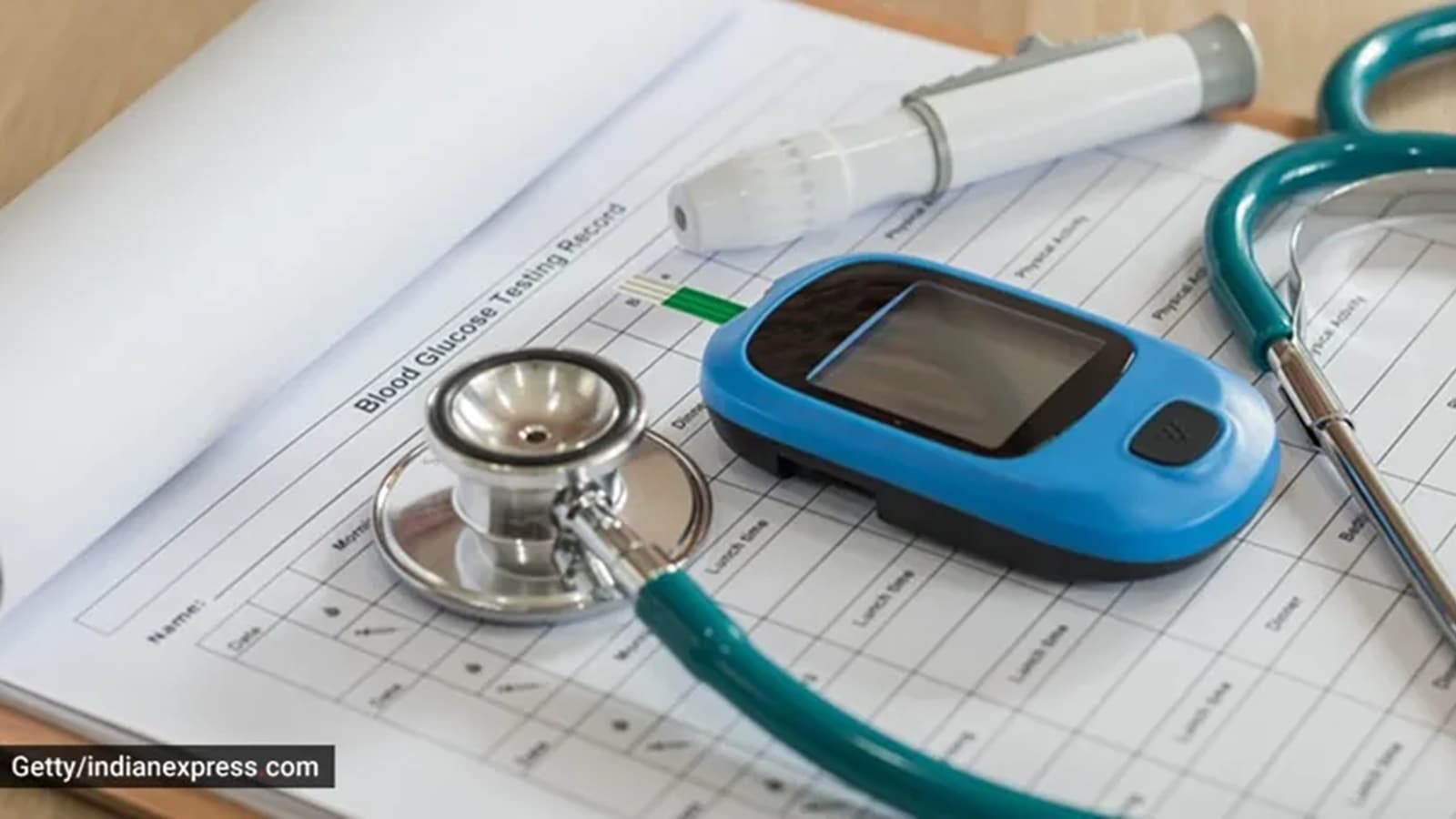
Sometimes, a blood sugar test shows a slightly high fasting level (like 105) even if you don't have diabetes.
This can be because of things like how your body works while you sleep or how it uses sugar.
Stress or eating certain foods can also affect it.
It's a signal to pay attention.
Retesting, eating better, exercising, sleeping well, and keeping track of your sugar levels yearly are important to stay healthy.

Fasting glucose levels between 100 and 125 mg/dL fall into the pre-diabetes range.
The liver releases glucose during sleep, potentially leading to higher morning levels.
Insulin resistance can cause fasting blood sugar levels to rise.
Stress hormones can elevate blood sugar, a phenomenon known as the 'dawn phenomenon'.
Retesting, lifestyle changes, and monitoring are recommended if levels are elevated.
- Who
- Non-diabetic individuals with elevated fasting glucose levels
- What
- Reasons for a fasting glucose reading of 105 mg/dL.
- When
- When a routine health check is performed
- Where
- N/A
- Why
- To understand the causes and necessary actions.
- Fasting Glucose Level
- 105 mg/dL (in this case)
- Pre-diabetes Range
- 100-125 mg/dL
- Recommended Action
- Retest, lifestyle reset, annual monitoring
- Key Factors
- Overnight physiology, insulin sensitivity, stress hormones, poor sleep, diet