Archive · 16 Dec 2025
India Achieves Energy Surplus With 50% Non-Fossil Fuel Capacity
India has made big changes in its energy sector over the last 11 years.
The country now has more than enough power and half of its energy comes from sources that are not fossil fuels like coal.
This makes India the first G20 country to meet the goals set by the Paris Agreement.
The government has increased solar and wind power, built more gas pipelines, and reduced coal imports.
They have also made electricity available to every household and provided clean cooking gas to many families.
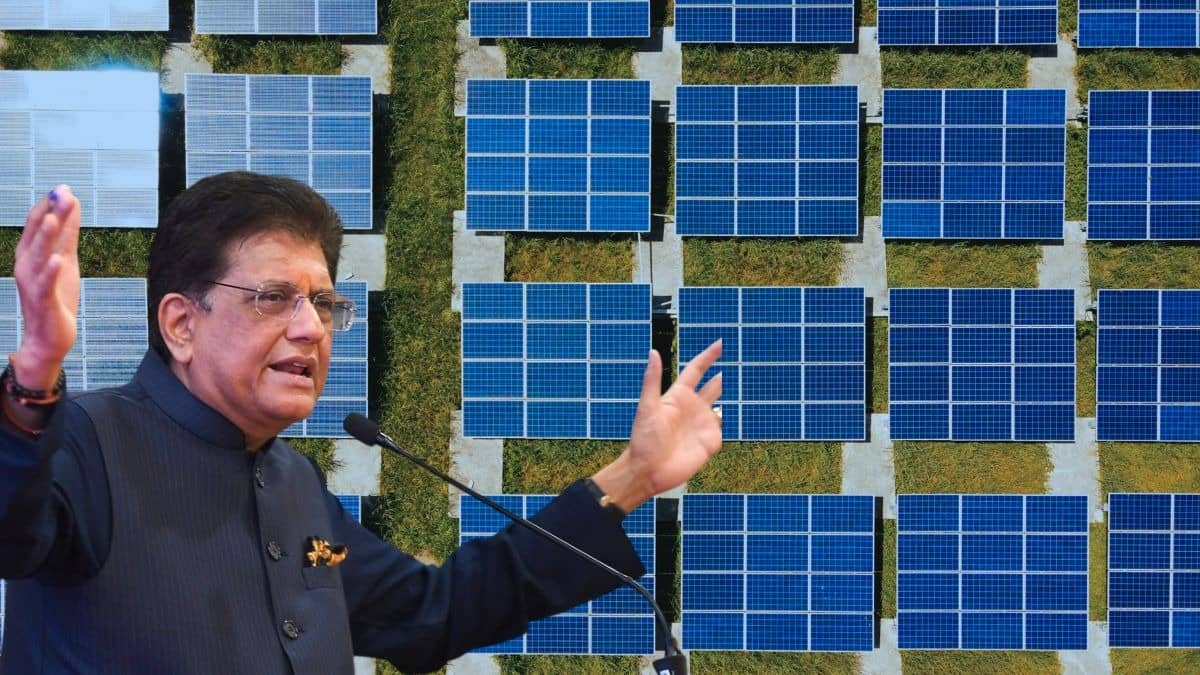
The minister, Piyush Goyal, said that these changes show what can be achieved with hard work and good planning.
India plans to keep improving with new projects like the National Green Hydrogen Mission and more rooftop solar installations.

India has transitioned from power scarcity to surplus with 50% of its energy coming from non-fossil fuel sources.
Solar power capacity has increased 46 times in the last 11 years, making India the third-largest in solar energy globally.
Wind power capacity has grown from 21 GW in 2014 to 53 GW in 2025.
India is the fourth-largest refining hub in the world and has authorized 34,238 km of natural gas pipelines.
The country recorded its highest-ever coal production of 1,048 million tonnes in FY 2024-25, with coal imports declining by 8%.
Five key pillars driving the energy transformation include universal access, affordability, availability, financial viability, and sustainability.
India has become the first G20 country to achieve the goals of the Paris Agreement.
Future initiatives include the National Green Hydrogen Mission and the PM Surya Ghar scheme for rooftop solar installations.
- Who
- Piyush Goyal, Union Minister of Commerce and Industry
- What
- India's energy sector transformation and achievement of 50% non-fossil fuel capacity
- When
- Over the past 11 years
- Where
- India
- Why
- To transition from power scarcity to surplus and sustainability, achieving Paris Agreement goals
- Solar Power Capacity Growth
- 46 times in 11 years
- Wind Power Capacity
- 53 GW in 2025
- Refining Capacity
- Fourth-largest globally
- Natural Gas Pipeline
- 34,238 km authorized, 25,923 km operational
- Coal Production
- 1,048 million tonnes in FY 2024-25
- Coal Imports Decline
- 8% decline
- LED Bulbs Distributed
- 47.4 crore
- Clean Cooking Gas Connections
- 10 crore households
- Power Shortages
- Declined from 4.2% in 2013 to 0.1% in 2025
- Non-Fossil Fuel Capacity
- 50% of installed power capacity
- National Green Hydrogen Mission Target
- 5 MMT per year by 2030
- PM Surya Ghar Scheme
- Rooftop solar installations in 20 lakh households
Sources
SHANTI bill a positive policy signal for India's nuclear value chain: Antique

Insurance Laws Amendment Bill to be tabled in Lok Sabha: What it means for India’s insurance sector

5 key provisions in SHANTI Bill that open India’s nuclear power sector to private players

Bill in LS to open up nuclear sector to private players, overhaul liability regime
India Transitions To Energy Surplus With Non-Fossil Fuel Capacity At 50%, First G20 Country To Achieve Paris Agreement Goals: Piyush Goyal
Govt introduces N-power bill in Parliament, permits private participation, limits supplier liability

Adani Power gets ‘Buy’ rating, target price set at Rs 187: Antique Broking
Proposed Nuclear Bill Caps Liability At ₹3,000 Cr