

Archive · 23 Aug 2025
Ceres: Evidence Suggests Past Microbial Life in Solar System
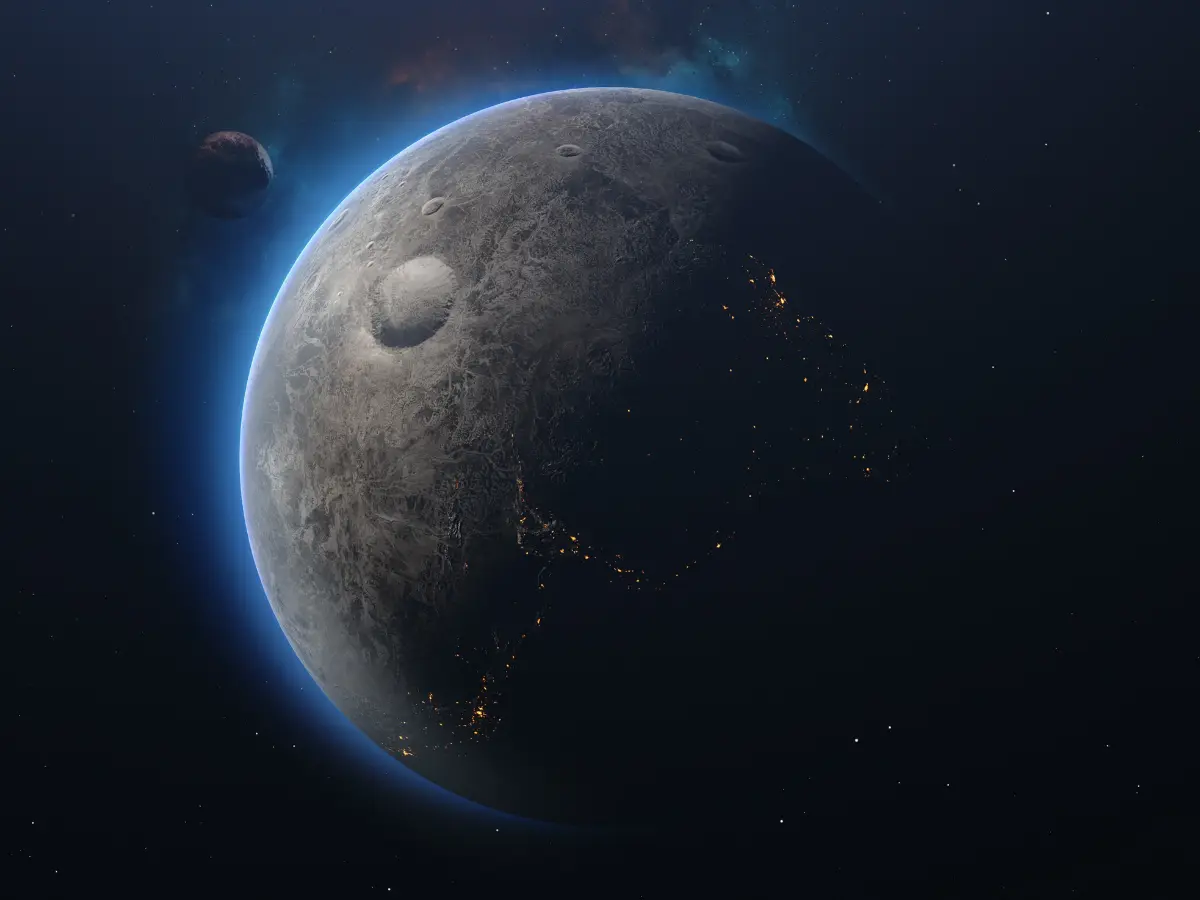
Scientists think there might have been life on a dwarf planet called Ceres a long time ago.
They found evidence of saltwater and stuff that microbes could have eaten.
Around 2.5 to 4 billion years ago, the inside of Ceres got warm because of radioactivity, like a hot tub for tiny life forms.
This is similar to what happened on early Earth.
Ceres has salt on its surface, which means there was once water there.
Simulations show that the hot water may have created vents similar to those that sustain life on Earth.

NASA found evidence of potential microbial life on dwarf planet Ceres.
Ceres may have had saltwater lakes and organic carbon, similar to Earth's early oceans.
Radioactivity within Ceres could have created warm water conditions conducive to microbes.
Salt discovered on Ceres' surface indicates the presence of a saltwater source.
Simulations suggest hot water vents on Ceres might have supported chemotroph microbes.
- Who
- NASA scientists
- What
- Evidence suggests Ceres may have once supported microbial life.
- When
- Around 2.5 to 4 billion years ago
- Where
- On the dwarf planet Ceres
- Why
- Radioactive decay could have created warm water conditions for microbes to thrive.
Evidence Supporting Past Life
Not applicable
Saltwater Evidence
Evidence Supporting Past Life
Research suggests a saltwater source was present on Ceres.
Not applicable
Not applicable
Analogous environments
Evidence Supporting Past Life
Ceres may have had an environment similar to early Earth.
Not applicable
Not applicable
- Planet
- Ceres
- Location
- Between Mars and Jupiter
- Evidence
- Saltwater lakes, organic carbon
- Past Temperature
- Potentially warm, due to radioactive decay
- Current Temperature
- -63°C
- Possible Life Form
- Chemotrophs