Archive · 10 Nov 2025
Bengal Urged to Boost Organ Donations by Establishing Donor Centers
Imagine some people need new organs to live, like a heart or kidney.
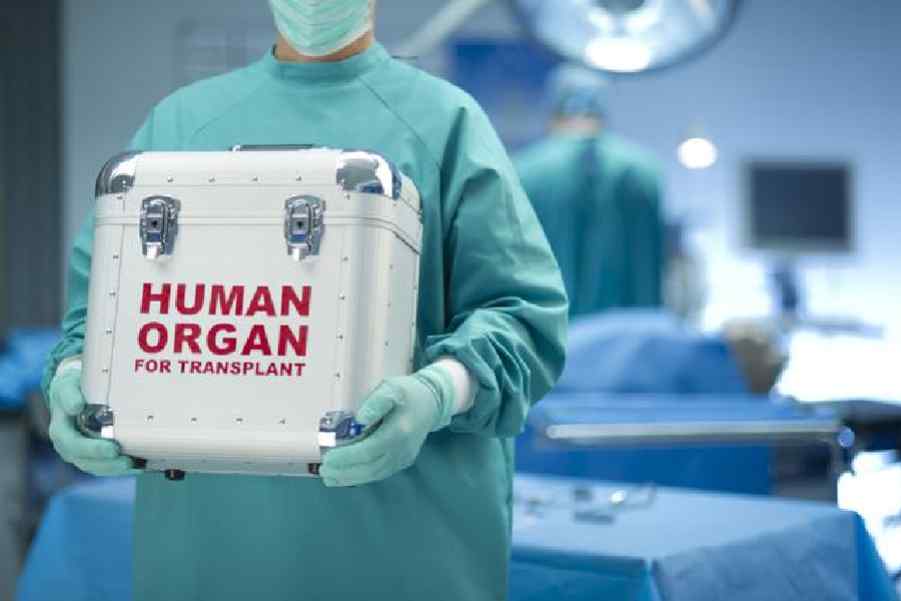
When a person is brain-dead, their organs can sometimes be given to someone who needs them.
This is called organ donation.
In India, many organs are needed, but not enough are donated.
In Bengal, very few people donate organs after death.
A national organization is asking hospitals in Bengal to help more.
They want hospitals that do transplants to teach other hospitals how to get organs from people who have died.
These hospitals can become places where organs are collected.
This is like setting up special stations to collect gifts.
States like Tamil Nadu are doing this well by having many 'collection stations' that send organs to hospitals where surgeries happen.
By doing this, Bengal can increase the number of organ donations and help more people who are waiting for a transplant.

Bengal recorded only 14 cadaveric organ donations in 2024, significantly lower than the national total of 1,128.
Tamil Nadu leads India with 268 cadaveric donations in 2024, followed by Telangana (188) and Maharashtra (172).
NOTTO is encouraging Bengal's government hospitals, particularly SSKM Hospital, to mentor other state-run facilities to become organ retrieval centers.
The 'hub-and-spoke' model, successful in Tamil Nadu, involves establishing multiple retrieval centers to collect organs for transplant surgeries.
Organ donation programs in states like Tamil Nadu and Maharashtra began earlier, around 2000, while Bengal's ROTTO program started in the mid-2010s.
- Who
- National Organ and Tissue Transplant Organisation (NOTTO) and Regional Organ and Tissue Transplant Organisations (ROTTOs)
- What
- Urging government hospitals in Bengal to function as donor centers to increase cadaveric organ donations, by acting as mentors and retrieval facilities.
- When
- Friday, during an awareness meet and organ donation summit.
- Where
- Bengal, India, with references to other leading states like Tamil Nadu, Telangana, and Maharashtra.
- Why
- To address the low rate of cadaveric organ donations in Bengal compared to the national average and other leading states, and to bridge the gap between organ demand and supply.
Viewpoint 1: Focus on establishing retrieval centers
Viewpoint 2: Focus on developing full transplant centers
Role of Hospitals in Organ Donation
Viewpoint 1: Focus on establishing retrieval centers
Mentoring hospitals to act as retrieval centers, where organs from brain-dead individuals can be retrieved and transported for transplant, can increase cadaveric donations. This is seen as a stepping stone to potentially upgrading to full transplant centers.
Viewpoint 2: Focus on developing full transplant centers
Hospitals that already perform transplant surgeries should act as mentor institutions, motivating other state-run hospitals to become donor centers. This approach leverages existing transplant capabilities to expand retrieval efforts.
State-wise Organ Donation Performance
Viewpoint 1: Focus on establishing retrieval centers
States like Tamil Nadu, Telangana, and Maharashtra have historically led in cadaveric donations due to early program starts and successful implementation of hub-and-spoke models for organ retrieval.
Viewpoint 2: Focus on developing full transplant centers
Bengal's cadaveric donation program started later in the mid-2010s, and despite recent improvements, there is significant scope for increasing the number of donations through strategic development of donor hubs and retrieval centers.
- Bengal Cadaveric Donations (2024)
- 14
- Total Cadaveric Donations (India, 2024)
- 1,128
- Top State Cadaveric Donors (2024)
- Tamil Nadu (268)
- Second State Cadaveric Donors (2024)
- Telangana (188)
- Third State Cadaveric Donors (2024)
- Maharashtra (172)
- Organ Retrieval from
- Brain-dead persons
- Bengal ROTTO Cadaveric Donations (So Far This Year)
- 16