17 hrs ago
Christa Pike Execution Fails Twice, Renewing Debate Over Lethal Injection
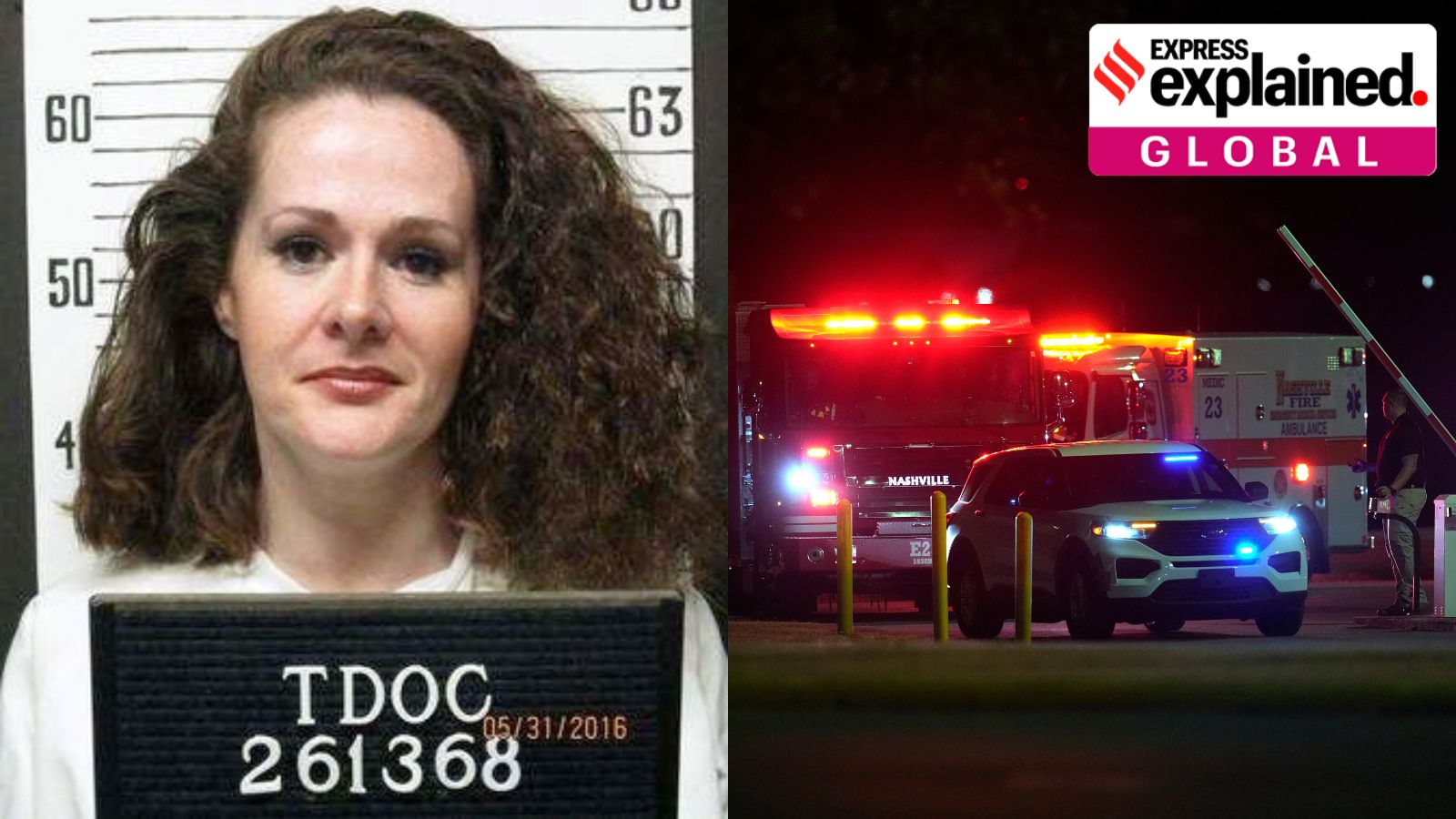
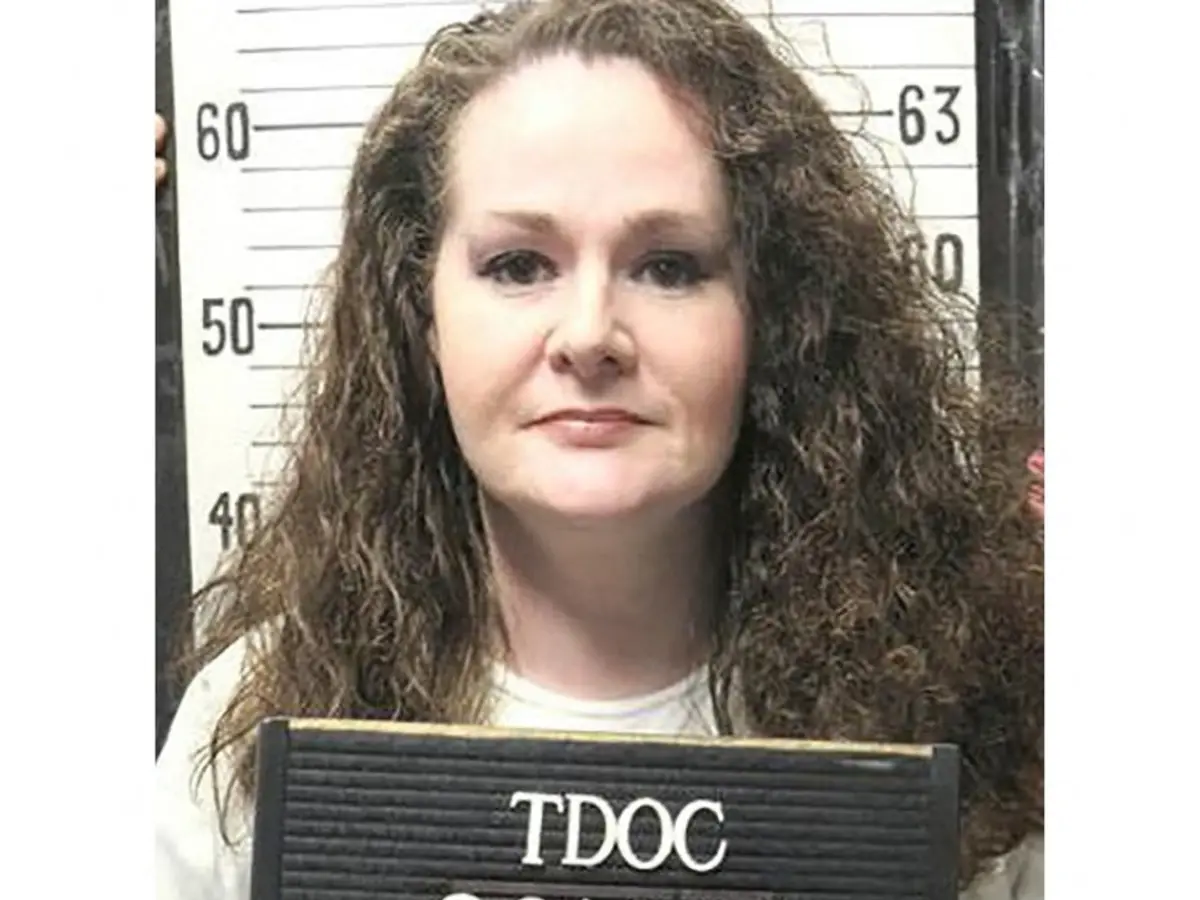
Christa Pike was sentenced to death for killing her classmate in Tennessee in 1995.
Officials tried to execute her using a drug called pentobarbital.
The first dose did not kill her, and officials gave her a second dose.
Witnesses said she was still showing signs of life afterward.
The execution was stopped, and she was taken to a hospital.
Tennessee’s governor ordered an investigation into what happened.
Experts say execution attempts can fail when drug lines are hard to place or when the drugs do not work as expected.
Other execution methods, such as electrocution, nitrogen gas, firing squads, and hanging, can also cause serious problems.
Pike’s case has also renewed arguments about whether people sentenced for crimes committed when they were young should be executed.

Tennessee officials halted Christa Pike’s execution after two doses of pentobarbital failed to kill her.
Pike reportedly remained awake after the first dose and was later taken to a hospital.
Governor Bill Lee ordered a third-party review and paused Tennessee’s remaining execution for the year.
Lethal-injection failures commonly involve misplaced or poorly maintained IV lines, inadequate doses, or both.
The case has renewed debate over execution methods, medical ethics, young offenders, and the death penalty.
- Who
- Christa Pike, Tennessee execution officials, Governor Bill Lee, and Pike’s lawyers are central to the case.
- What
- Officials failed twice to complete Pike’s lethal-injection execution after administering pentobarbital.
- Where
- Riverbend Maximum Security Institution in Nashville, Tennessee; Pike was later taken to a hospital.
- When
- The failure occurred on Tuesday, according to the report; the accompanying caption dates the halt to September 30, 2026.
- Why
- The execution was halted because Pike remained alive after two drug administrations, prompting concerns about possible cruel and unusual punishment and an official review.
Death-Penalty Critics
Death-Penalty Supporters
Whether lethal injection is humane
Death-Penalty Critics
Critics argue that pentobarbital and midazolam can cause severe pain and that failed IV placement or inadequate doses can create unnecessary suffering.
Death-Penalty Supporters
Supporters of the method rely on the stated goal of minimizing suffering and describe nitrogen gas as effective and humane, while lethal injection remains the primary U.S. method.
Whether Pike should be executed
Death-Penalty Critics
Pike’s supporters argue that her age at the time of the crime, bipolar disorder, post-traumatic stress disorder, and alleged severe sexual abuse should be considered.
Death-Penalty Supporters
The state sentenced Pike to death for the fatal stabbing and beating of Colleen Slemmer, and the execution was scheduled under that sentence.
Medical involvement in executions
Death-Penalty Critics
Medical organizations prohibit their members from participating in executions because of ethical concerns, which critics say leaves correctional officers performing medical procedures.
Death-Penalty Supporters
Execution authorities continue using correctional personnel and state-approved protocols despite the absence of broad medical participation.
Key facts
- Person executed
- Christa Gail Pike, who was 50 at the time of the attempted execution.
- Crime
- Pike was convicted of killing 19-year-old classmate Colleen Slemmer in Tennessee in 1995.
- Execution drug
- Pentobarbital, used under Tennessee’s single-drug procedure.
- Number of attempts
- Officials administered two sets of lethal-injection drugs.
- State response
- Governor Bill Lee ordered a comprehensive third-party review and halted Tennessee’s remaining execution for the year.
- U.S. death-penalty states
- Capital punishment is legal in 27 of the 50 U.S. states.
- Botched lethal injections
- A cited study found that 7.12% of lethal-injection executions between 1890 and 2010 went wrong.
Sources
Related news

Tennessee Execution Attempt Fails After Pike Receives Two Doses
US Execution Methods Face Renewed Scrutiny After Botched Tennessee Execution

Trump Questions Tennessee After Christa Pike Execution Fails
Tennessee Suspends Executions After Christa Pike Survives Double Injection
Christa Pike Survives Failed Execution After Two Lethal Doses
Supreme Court Clears Way for Christa Pike Execution in Tennessee

Tennessee's Planned Female Execution Pits Culpability Against Brain Science