

Archive · 11 Nov 2025
Supreme Court Reserves Verdict on Challenge to Tribunal Reforms Act
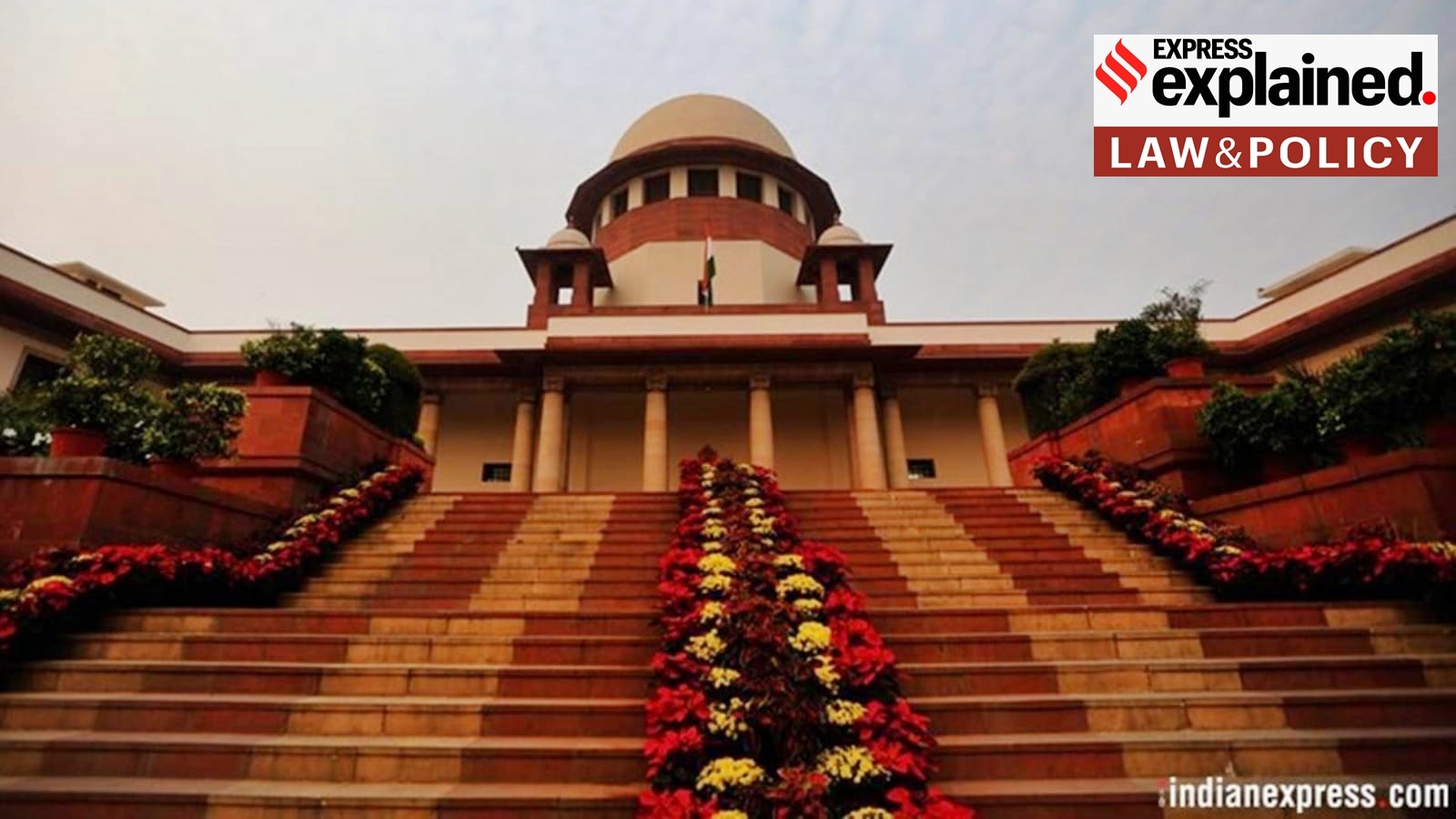
Imagine there are special courts called tribunals that handle specific types of cases, like appeals for movie certifications or other legal matters.
The government made a new law to change how these tribunals work, including how people are chosen to be judges and how long they can serve.
Some lawyers and groups think this new law is unfair because it goes against what the big Supreme Court has said before about making sure judges have enough time in their jobs and are experienced enough.
They are asking the Supreme Court to stop this new law from being used.
The government says the new law is better because it makes things more uniform and efficient, and that they thought carefully about it.
The Supreme Court has listened to both sides and will now decide if the law is okay or not.

The Supreme Court has reserved its verdict on challenges to the Tribunals Reforms (Rationalisation and Conditions of Service) Act, 2021.
Petitions argue the Act violates previous Supreme Court judgments regarding member tenure, experience requirements, and age limits.
The Act abolishes certain tribunals, like the Film Certification Appellate Tribunal, and amends appointment and tenure conditions for tribunal members.
The government contends the Act aims for uniformity and efficiency, and that Parliament has the authority to legislate on tribunal frameworks.
The Supreme Court previously struck down similar provisions in an ordinance, citing concerns about executive influence and attracting competent professionals.
- Who
- Supreme Court of India, Central Government (represented by Attorney General R Venkataramani), petitioners including the Madras Bar Association
- What
- Supreme Court reserved its verdict on petitions challenging the constitutional validity of the Tribunals Reforms (Rationalisation and Conditions of Service) Act, 2021.
- When
- The Supreme Court reserved its verdict on Wednesday, after concluding final hearings that commenced on October 16.
- Where
- Supreme Court of India
- Why
- The petitions argue that the 2021 Act, with its provisions on tenure, age, and selection processes, is unconstitutional and contrary to previous Supreme Court judgments. The government defends the Act as a necessary reform for uniformity and efficiency.
Petitioners' Arguments
Government's Arguments
Constitutional Validity and Previous Judgments
Petitioners' Arguments
The 2021 Act is contrary to previous Supreme Court judgments, which stipulated a minimum five-year tenure for tribunal members and required lawyers with at least 10 years of experience to be eligible. The government is re-enacting similar provisions that were previously struck down by the court.
Government's Arguments
Parliament has enacted the law after extensive deliberations, and it represents a balance between judicial independence and administrative efficiency. The statute should be allowed to stand, and previous judgments should not be rigidly adhered to as the law has evolved.
Tenure and Age Requirements
Petitioners' Arguments
The minimum age requirement of 50 years for tribunal members is assailed, as is the four-year tenure provided in the Act, which contradicts the court's earlier ruling for a five-year term. The provision for recommending only two names for the chairperson post is also opposed.
Government's Arguments
The Act's provision for a five-year tenure with a single reappointment addresses earlier concerns about short tenures, preventing indefinite extensions while encouraging experienced professionals. The executive control over appointments is not excessive.
- Act Under Challenge
- Tribunals Reforms (Rationalisation and Conditions of Service) Act, 2021
- Key Provisions Challenged
- Abolition of certain appellate tribunals (e.g., Film Certification Appellate Tribunal), appointment and tenure of judicial and other members, minimum age of 50 for members, four-year tenure, and recommendation of two names for chairperson post.
- Previous Court Rulings
- Supreme Court had previously quashed similar provisions in an ordinance, mandating a five-year tenure, a minimum of 10 years of practice for judicial members, a maximum age of 70 for chairpersons and 67 for members, and struck down the minimum age of 50 and the government's power to appoint from a panel of two names.
- Government's Defense
- The Act aims for uniformity in selection processes, balances judicial independence with administrative efficiency, and is a result of detailed deliberations. The five-year tenure with reappointment addresses concerns about short tenures.
- Current Court Action
- Supreme Court reserved its verdict after hearing final arguments from petitioners and the Attorney General.
- Ordinance Context
- The 2021 Act replaced the Tribunals Reforms (Rationalisation and Conditions of Service) Ordinance, 2021, which also faced similar challenges.

