

4 days ago
Sunak and British Figures Reject Skin Colour Tests for Belonging
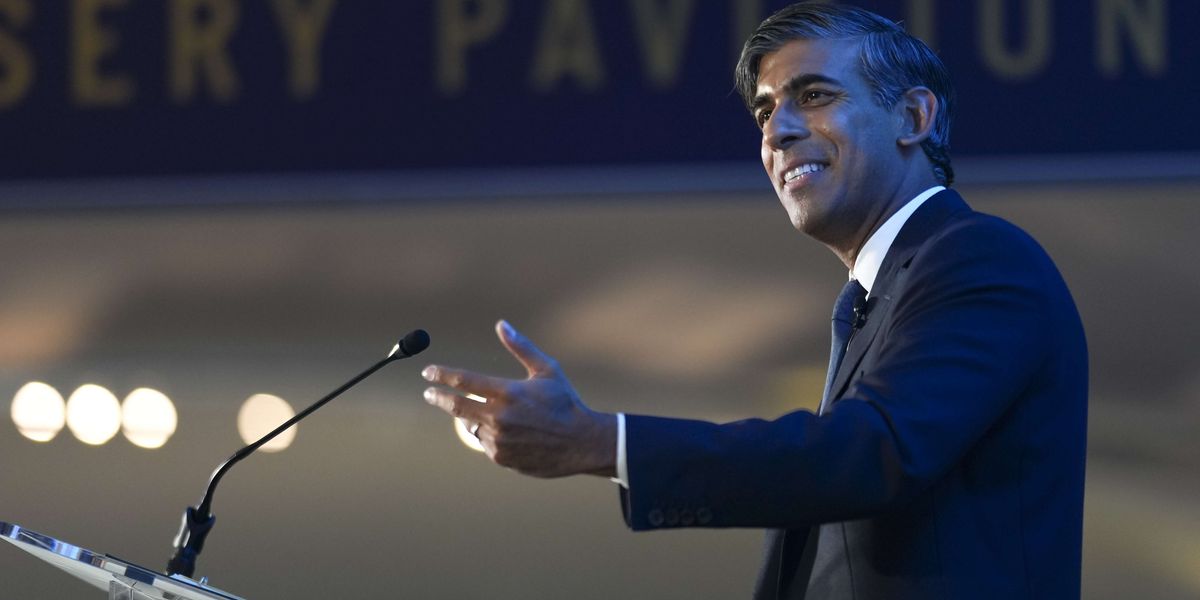
Rishi Sunak said people should not be told they are less British or English because of their skin colour.
Other politicians and community figures agreed that people can be British while also having Asian, Hindu, Muslim or Sikh identities.
They said serving and helping the country can be important parts of belonging.
Some speakers also said Britain has been shaped by people from many backgrounds.
Seema Malhotra warned that racism is becoming more common and must not be confused with arguments about border control.
Pavita Cooper said she feels proud to be British but has also experienced painful reminders that some people question her belonging.
Speakers disagreed on some immigration policies, but many agreed that Britishness should not be based on ancestry alone.
They described democracy, fairness, participation and shared history as important parts of the country’s identity.

Rishi Sunak warned that equating skin colour with nationality could create alienation and a two-tier society.
Asian British politicians said British identity can coexist with Asian, Hindu, Muslim or Sikh identities.
Supporters described service, participation, shared institutions and democratic values as foundations of Britishness.
Seema Malhotra warned that racism linked to skin colour was becoming increasingly mainstream and should not be confused with immigration concerns.
Pavita Cooper said displays of St George’s flags had revived painful memories, while also expressing pride in being British and Indian Sikh.
- Who
- Former prime minister Rishi Sunak, British politicians and public figures including Tariq Ahmad, Krish Raval, Gareth Thomas, Seema Malhotra, Herman Narula, Pavita Cooper and Thangam Debbonaire.
- What
- They debated British and English identity, arguing that skin colour or ancestry should not determine whether someone belongs.
- Where
- Across the United Kingdom, including Parliament, London, Scotland, Bradford and the Yorkshire Dales.
- When
- The comments were made mainly during the week of the 20th–22nd, with related remarks also reported from the previous weekend and recent events.
- Why
- The discussion followed warnings about defining nationality by ethnicity and concerns that racism and identity-based division are becoming more prominent.
Inclusive Britishness
Immigration and Belonging Concerns
Basis of national identity
Inclusive Britishness
Sunak and other speakers said Britishness should be based on shared institutions, democratic values, participation and commitment rather than skin colour or ancestry.
Immigration and Belonging Concerns
Some people’s arguments about national identity and immigration reflect concerns about borders, integration and how belonging should be defined, although speakers warned these concerns should not become racial discrimination.
Meaning of national symbols
Inclusive Britishness
Cooper said displays of St George’s flags could feel exclusionary and revive memories of hostility toward ethnic minorities.
Immigration and Belonging Concerns
The articles also describe national pride and attachment to Britain as legitimate, provided they are not used to deny other people’s Britishness.
Immigration policy
Inclusive Britishness
Debbonaire and Malhotra argued that immigration policies should uphold fairness and avoid dividing communities or rejecting overseas workers who fill essential-service vacancies.
Immigration and Belonging Concerns
Raval acknowledged that he disagreed with Sunak on immigration policy, even while agreeing with Sunak’s broader argument about identity.
Key facts
- Central warning
- Sunak said equating skin colour with nationality risks alienation and a two-tier society.
- Identity
- Several speakers said British identity can coexist with Asian, Hindu, Muslim or Sikh identities.
- Shared values
- Speakers cited democracy, the rule of law, fairness, service and participation as elements of Britishness.
- Immigration debate
- Seema Malhotra said legitimate concerns about border control should not be confused with racial discrimination.
- Personal experience
- Pavita Cooper said St George’s flags had brought back memories of fear and trauma from her childhood.
- Historical contribution
- Herman Narula noted that about 2.5 million Indians volunteered to serve during the Second World War.
- Sport
- Sunak described cricket as a bridge between largely white rural constituents and British Asian communities.
Quotes
Lord Tariq Ahmad
Conservative peer and member of the House of Lords
“It’s sad what we’re seeing at the moment and borderline tragic that there are some, not just in England, but across the UK, are seeking to use colour, your religion, or indeed your cultural heritage as a means to divide, and we’ve got to stand up to that.”
 easterneye.biz
“Attempting to deny people their Englishness or Britishness because of the colour of their skin is a recipe for alienation, for a two-tier society.”
easterneye.biz
Sources
Related news
Rishi Sunak Warns Against Skin Colour Tests for British Identity
Sunak Reasserts Civic British Identity as Cohesion Challenge Grows
RSS Chief Bhagwat Says British Hindus’ Loyalties Lie With UK
Krishnamoorthi Rejects Debate Framing Indian Americans As Problem
Historian Predicts Rishi Sunak May Return to Cabinet

British Indian Peer Hosts Raksha Bandhan Celebration in Parliament
