Archive · 27 Jul 2026
PoK Elections Amid Protests and Violence
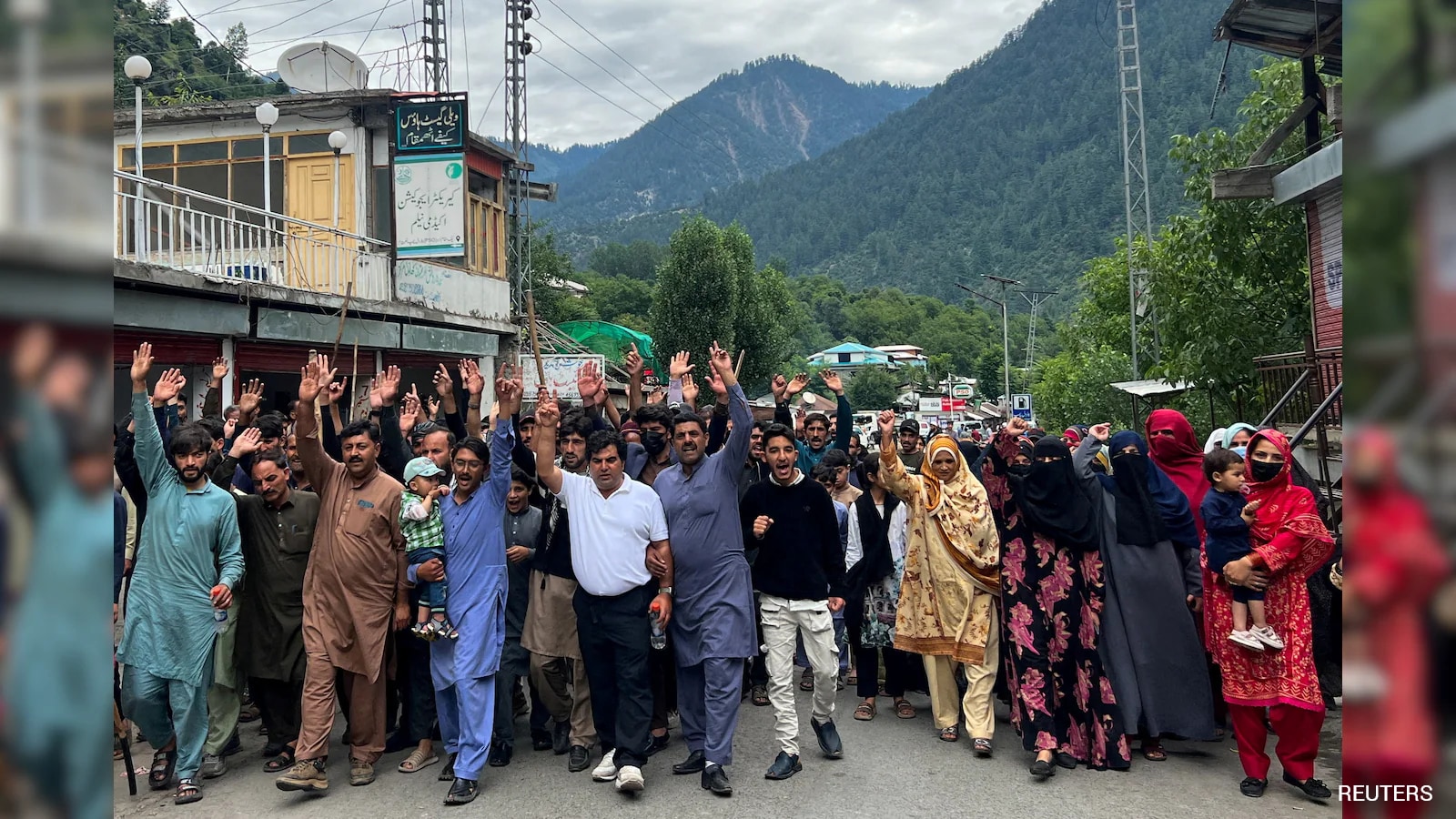
There are big protests and fights happening in Pakistan-occupied Kashmir (PoK) right before their elections.
The people there are very angry because they don't have enough money, they can't vote for who they want, and the government is treating them badly.
They are especially mad about 12 seats in the government that are reserved for people who don't even live there.
The government says these seats are important, but the protesters want them gone.
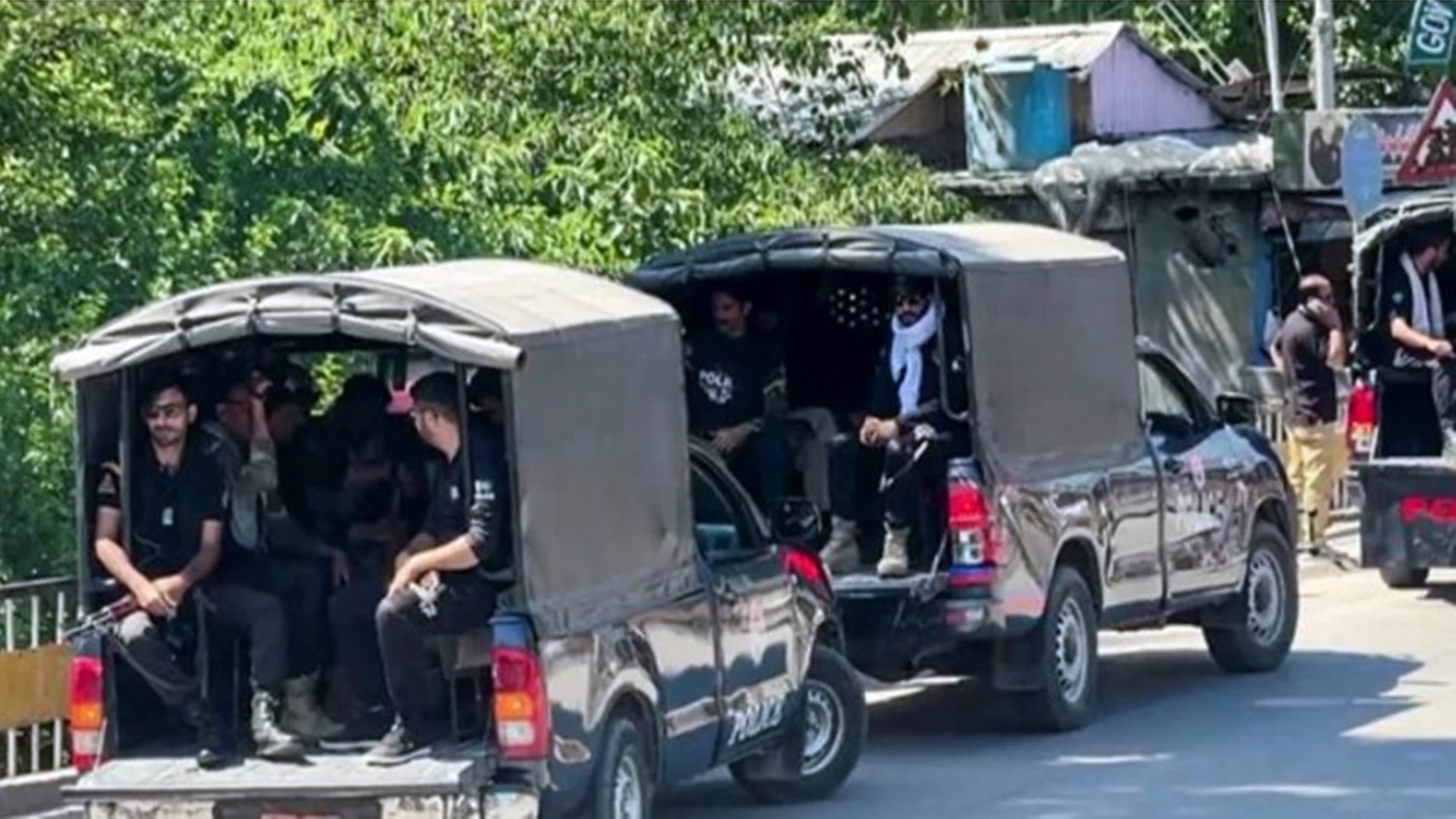
The police have been very harsh, and many people have been hurt or killed.
India says Pakistan is doing a bad job taking care of the people there, and the United Nations wants to investigate what's happening.

Elections for the legislative assembly of PoK are being held in three phases: July 25, July 30, and August 10.
Protests and clashes have been ongoing for several weeks, resulting in at least 20 deaths and numerous injuries.
Protesters are led by the Joint Awami Action Committee (JAAC), which has been banned by the Pakistani government.
Key issues include economic hardship, political disenfranchisement, and restrictions on civil liberties.
The protesters demand the abolition of 12 legislative assembly seats reserved for non-residents, calling it a manipulative tactic to dilute local representation.
- Who
- Protesters led by the Joint Awami Action Committee (JAAC), Pakistani government, security forces, and international observers including the UN Human Rights Commissioner and India's Ministry of External Affairs (MEA).
- What
- Elections for the legislative assembly of Pakistan-occupied Kashmir (PoK) amid protests and violence.
- When
- Elections are being held in three phases: July 25, July 30, and August 10.
- Where
- Pakistan-occupied Kashmir (PoK).
- Why
- Protests are driven by economic hardship, political disenfranchisement, and restrictions on civil liberties, while the Pakistani government aims to hold elections to maintain political representation and stability.
Protesters and Civil Society
Pakistani Government and Security Forces
Economic Hardship and Political Disenfranchisement
Protesters and Civil Society
Protesters argue that economic hardship, political disenfranchisement, and restrictions on civil liberties are driving the unrest.
Pakistani Government and Security Forces
The Pakistani government maintains that the elections are necessary for political representation and stability.
Reserved Seats for Non-Residents
Protesters and Civil Society
Protesters demand the abolition of the 12 legislative assembly seats reserved for non-residents, calling it a manipulative tactic to dilute local representation.
Pakistani Government and Security Forces
The Pakistani government argues that these seats are necessary to ensure representation for all communities, including migrants.
Use of Force Against Protesters
Protesters and Civil Society
Protesters claim that security forces have used excessive force, resulting in at least 20 deaths and numerous injuries.
Pakistani Government and Security Forces
The Pakistani government and security forces maintain that they are acting to maintain law and order.
- Election Dates
- July 25, July 30, August 10
- Number of Seats in Legislative Assembly
- 53
- Reserved Seats for Non-Residents
- 12
- Reserved Seats for Women, Technocrats, and Clerics
- 8
- Number of Deaths Reported
- At least 20
- Number of Injuries Reported
- Several
- UN Human Rights Commissioner's Statement
- Called for prompt, thorough, and impartial investigations into all deaths due to unrest
- MEA Spokesperson's Statement
- Accused Pakistan of economic exploitation, denial of fundamental rights, and administrative repression