

Archive · 2 Sep 2025
BHU Trauma Centre Uses AI to Prioritize Critical Patients
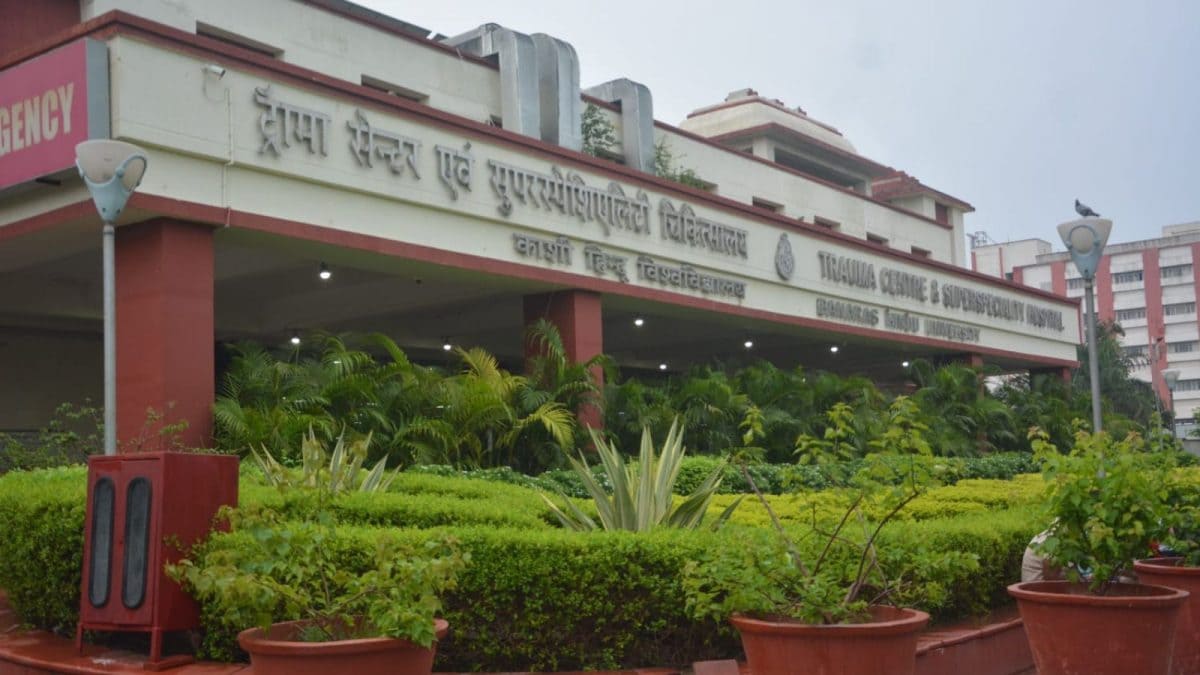
Imagine a computer program that helps doctors decide who needs help first in an emergency room.
At BHU's Trauma Centre, they now use such a program, called the TCBHU SS.
When a patient arrives, doctors enter their vital signs into the system.
The system then quickly analyzes this information to determine how serious the patient's injuries are and how likely they are to survive.
This helps doctors prioritize who needs immediate care, especially when many patients arrive at once.
The system has been used for about a month and has already helped doctors make faster and better decisions, saving valuable time in critical situations.

BHU's Trauma Centre uses an AI-powered system called TCBHU SS to triage patients.
The system analyzes patient information to predict injury severity and mortality risk.
Doctors enter patient details, including injuries and vital signs, into the system.
The system helps prioritize patients needing immediate intensive care, especially in mass casualty events.
The AI system has analyzed data from about 1,000 patients since its launch.
- Who
- Doctors and patients at BHU's Trauma Centre.
- What
- Implementation of an AI-powered system to triage patients.
- When
- Implemented approximately one month before September 2, 2025.
- Where
- Banaras Hindu University (BHU) Trauma Centre in Varanasi, India.
- Why
- To quickly identify and prioritize critical patients for urgent care.
- Device Name
- Trauma Centre BHU Scoring System (TCBHU SS)
- Location
- Banaras Hindu University (BHU) Trauma Centre, Varanasi, India
- Purpose
- Triage patients and identify those needing immediate care
- Development
- With the help of IT professionals
- Patients Analyzed
- Around 1,000 in one month
- Launch Date
- Approximately one month prior to September 2, 2025