

Archive · 31 Dec 2025
Oral Bacterium Linked to MS Disability
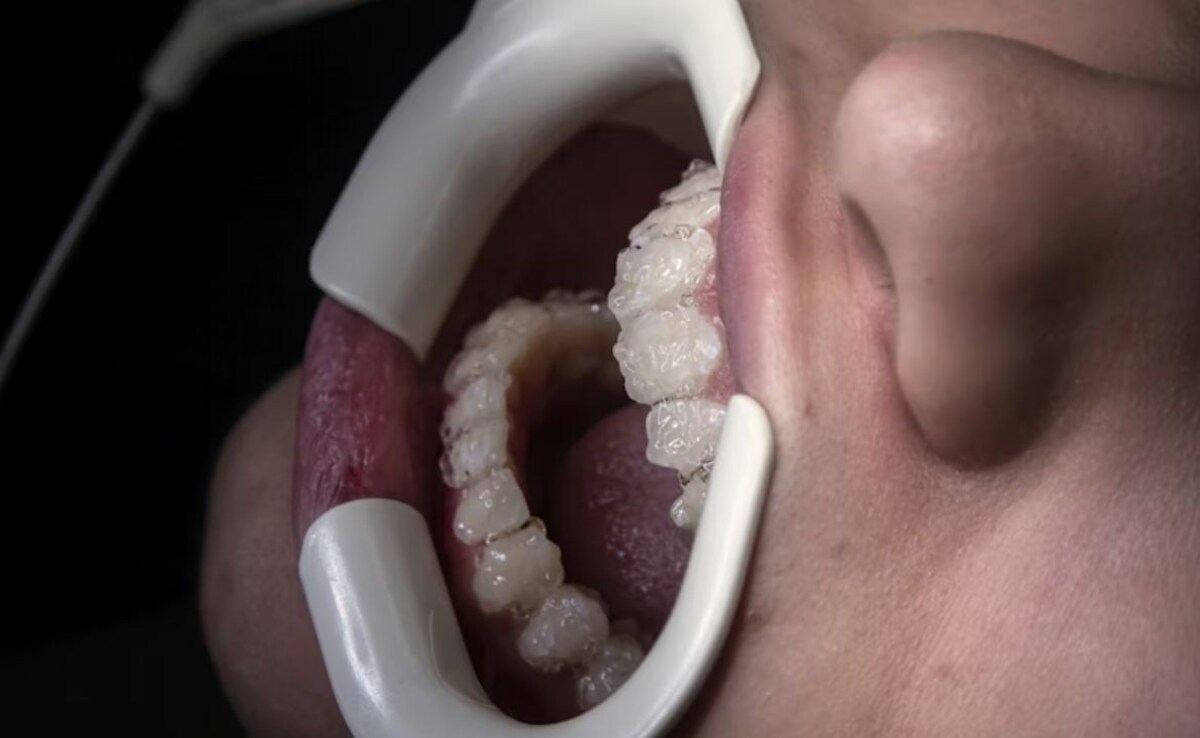
Scientists found that people with a serious disease called multiple sclerosis (MS) might get worse if they have a lot of a certain bacteria in their mouth.
This bacteria, called Fusobacterium nucleatum, is linked to gum disease.
The study showed that MS patients with high levels of this bacteria were ten times more likely to have severe disability.
The researchers think this bacteria might cause inflammation that affects the brain and nerves.
They want to do more studies to understand this better.
MS is a disease that attacks the protective covering of nerve cells, and it can cause problems with movement and other body functions.
The researchers hope this information can help find new ways to prevent or treat MS.

High levels of Fusobacterium nucleatum in MS patients linked to 10-fold higher odds of severe disability.
61.5% of MS patients with high bacterium levels had moderate-to-severe disability, compared to 18.6% with milder disease.
No such association found in patients with neuromyelitis optica spectrum disorder or myelin oligodendrocyte glycoprotein antibody-associated disease.
Fusobacterium nucleatum may act as a 'bridge bacterium' linking oral inflammation to neurological disability.
Researchers aim to conduct larger, multi-center studies to validate the association.
- Who
- Multiple sclerosis patients with high levels of Fusobacterium nucleatum
- What
- Increased risk of severe disability
- When
- Study published in Scientific Reports
- Where
- Research conducted by Hiroshima University Hospital
- Why
- Fusobacterium nucleatum may link oral inflammation to neurological disability
- Bacterium
- Fusobacterium nucleatum
- Disease
- Multiple Sclerosis (MS)
- Study Journal
- Scientific Reports
- Researcher
- Masahiro Nakamori
- Disability Association
- 10-fold higher odds of severe disability
- MS Patients with High Bacterium Levels
- 61.5% in moderate-to-severe disability range
- MS Patients with Low Bacterium Levels
- 18.6% in moderate-to-severe disability range
