

Archive · 1 Aug 2025
Remembering Tilak: The Architect of Indian Revolution and Non-Cooperation
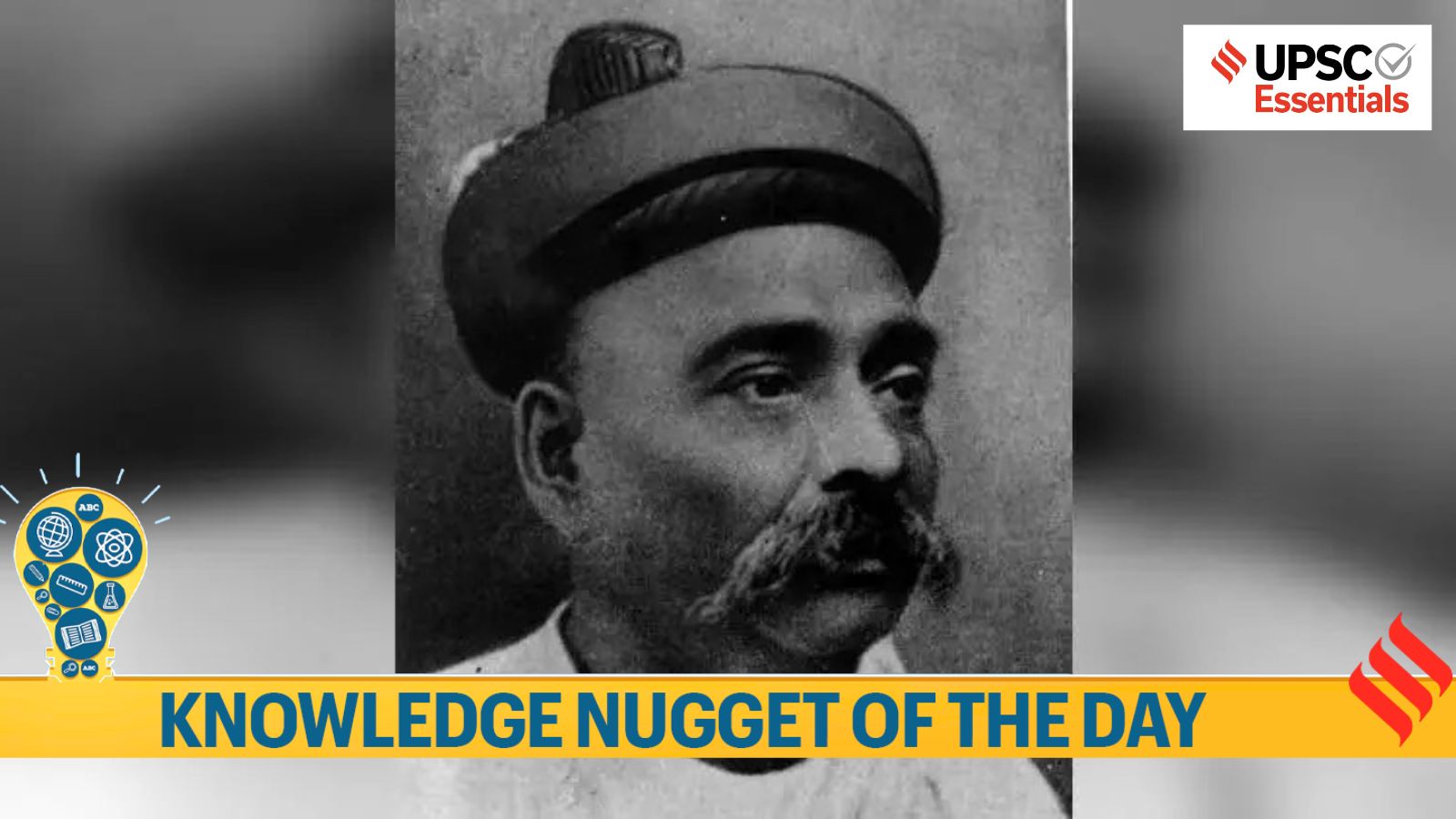
Bal Gangadhar Tilak, a major leader, fought for India's freedom and passed away in 1920.
He used newspapers and festivals to spread nationalist ideas, and was jailed for speaking out against the British.
Tilak joined the Indian National Congress.
Following his death, Gandhi started the Non-Cooperation Movement, a big protest against the British, but it was stopped because it turned violent.
This is important history for anyone studying India.

Bal Gangadhar Tilak, a key figure in India's freedom struggle, died on August 1, 1920, and is remembered for his contributions.
Tilak, a lawyer, scholar, and journalist, joined the Indian National Congress in 1890 and later advocated for complete freedom from British rule.
He founded the newspapers 'Kesari' and 'Mahratta' and started the Ganesh and Shivaji festivals to promote nationalist ideas.
Tilak was tried for sedition multiple times and imprisoned twice for his writings and activism.
Mahatma Gandhi launched the Non-Cooperation Movement on August 1, 1920, which was later called off due to violence.
- Who
- Bal Gangadhar Tilak and Mahatma Gandhi.
- What
- Bal Gangadhar Tilak's contributions to the Indian freedom struggle and the Non-Cooperation Movement.
- When
- Tilak died on August 1, 1920, and the Non-Cooperation Movement was launched in August 1920.
- Where
- India
- Why
- To highlight the significance of Bal Gangadhar Tilak and the Non-Cooperation Movement in the context of India's freedom struggle.
Criticisms of Tilak
Tilak's perspective
Communalism vs. Swaraj
Criticisms of Tilak
Giving the freedom struggle a communal shade
Tilak's perspective
Advocating Swaraj consistently
Social Conservatism vs. Nationalism
Criticisms of Tilak
Conservative on women’s emancipation
Tilak's perspective
Promoting Swadeshi and nationalism
- Born
- July 23, 1856
- Died
- August 1, 1920
- Newspapers founded by Tilak
- Kesari and Mahratta
- Gandhi called him
- The Maker of Modern India
- Launched
- Non-Cooperation Movement
- First Mass movement
- Non-Cooperation Movement