

1 hr ago
Chalkboards, AI Professors, and the Future of Human Teaching
A professor explains why he still likes teaching with chalk and a blackboard.
Writing slowly lets students see how an idea develops, including mistakes and corrections.
He says this can be especially useful for mathematics and statistics.
Harvard Business School is testing AI versions of seven professors in an online entrepreneurship course.
These digital teachers can practise conversations and answer students without getting tired.
The professor worries that machines could copy some parts of a teacher’s job.
However, he believes good teachers do more than share information.
They notice students’ needs, encourage them, and help them decide whether an answer makes sense.
He thinks AI may handle routine explanations while people protect the human relationship at the heart of learning.

A mathematics professor argues that chalkboards reveal learning as it happens, including mistakes and revisions.
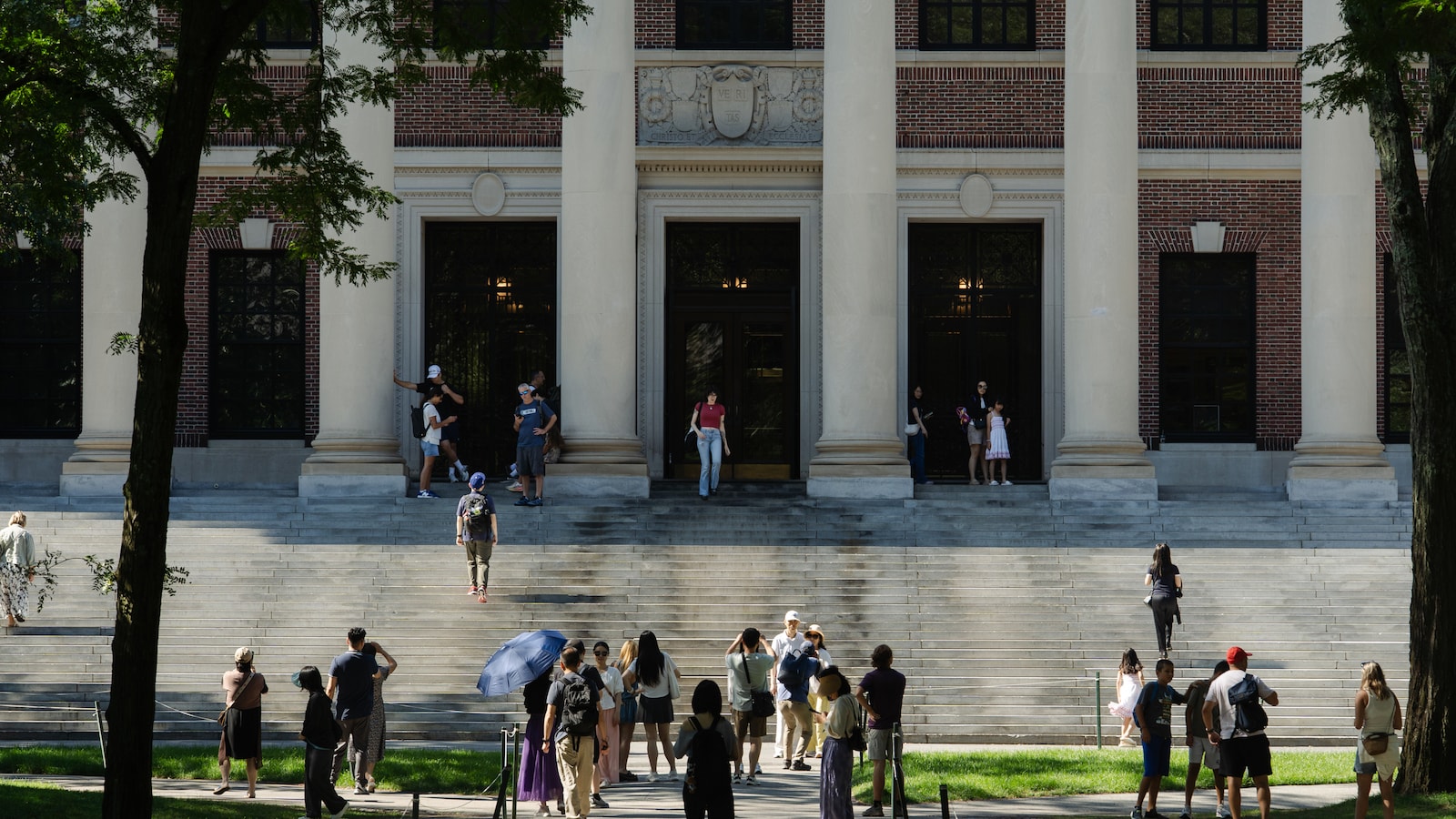
Harvard Business School is using AI versions of seven faculty members in its eight-week HBS Foundry programme.
For $699, participants can use the digital professors to refine ideas, rehearse pitches, and simulate business meetings.
The article argues that AI may explain information efficiently, while human teachers provide attention, judgement, encouragement, and inspiration.
The professor believes chalkboards and real-time classroom encounters may remain valuable even as AI transforms teaching.
- Who
- A professor, human teachers, students, and Harvard Business School’s AI versions of seven faculty members.
- What
- The article examines whether AI professors could replace or reshape human teaching, while defending chalkboards and live classroom interaction.
- Where
- The programme is Harvard Business School’s online HBS Foundry entrepreneurship programme; the article also discusses traditional classrooms.
- When
- Harvard Business School has recently begun using the AI faculty versions in an eight-week programme.
- Why
- AI can provide tireless explanations and feedback, but the author argues that human teachers offer attention, judgement, encouragement, and inspiration.
AI-led teaching
Human-led teaching
What teachers should do
AI-led teaching
AI can explain material patiently, provide examples and instant feedback, and remain available without tiring.
Human-led teaching
Human teachers should focus on understanding students, encouraging them, interpreting information, and applying judgement.
Value of classroom methods
AI-led teaching
Digital professors can reproduce lectures, answer questions, and simulate teaching interactions efficiently.
Human-led teaching
A chalkboard shows the journey of thought, while live encounters allow teachers and students to notice mistakes and reach understanding together.
Risk and opportunity
AI-led teaching
AI may make some traditional teaching roles less necessary, including parts of a professor’s lecture work.
Human-led teaching
AI could free professors from repetition and help preserve the human relationship, attention, and inspiration that machines only simulate.
Key facts
- Programme
- HBS Foundry, an eight-week online entrepreneurship programme
- Institution
- Harvard Business School
- AI faculty
- Digital versions of seven faculty members
- Participant cost
- $699
- AI uses
- Refining business ideas, rehearsing pitches, practising customer conversations, and simulating board meetings
- Human role
- Human faculty remain involved
- Author’s proposal
- AI could handle routine explanations while professors focus on interpretation, judgement, and inspiration
Quotes
A student
A student interrupting the author during a chalkboard lesson
“Sir, there may be a mistake here”
 financialexpress.com
Sources
Related news

Teaching in the AI age: Why human connection matters

Professor Says Teachers Can Detect Students’ ChatGPT Cheating

Why teachers still matter in the age of Generative AI
Harvard Launches AI Faculty Clones for Startup Founder Bootcamp

Harvard’s AI Faculty Clones Now Teach a Startup Bootcamp

Former Google Executive Warns AI Could End Traditional College Education

India’s Insolvency Framework Faces New Questions From AI Transactions

AI, Networking Debate Intensifies Over Future of Tech Careers

Bessent Says AI Could Fuel U.S. Startup Boom
Readers Debate AI Content Rights and National Identity
