

Archive · 23 Jul 2026
No Nuclear Licences Granted Under SHANTI Act
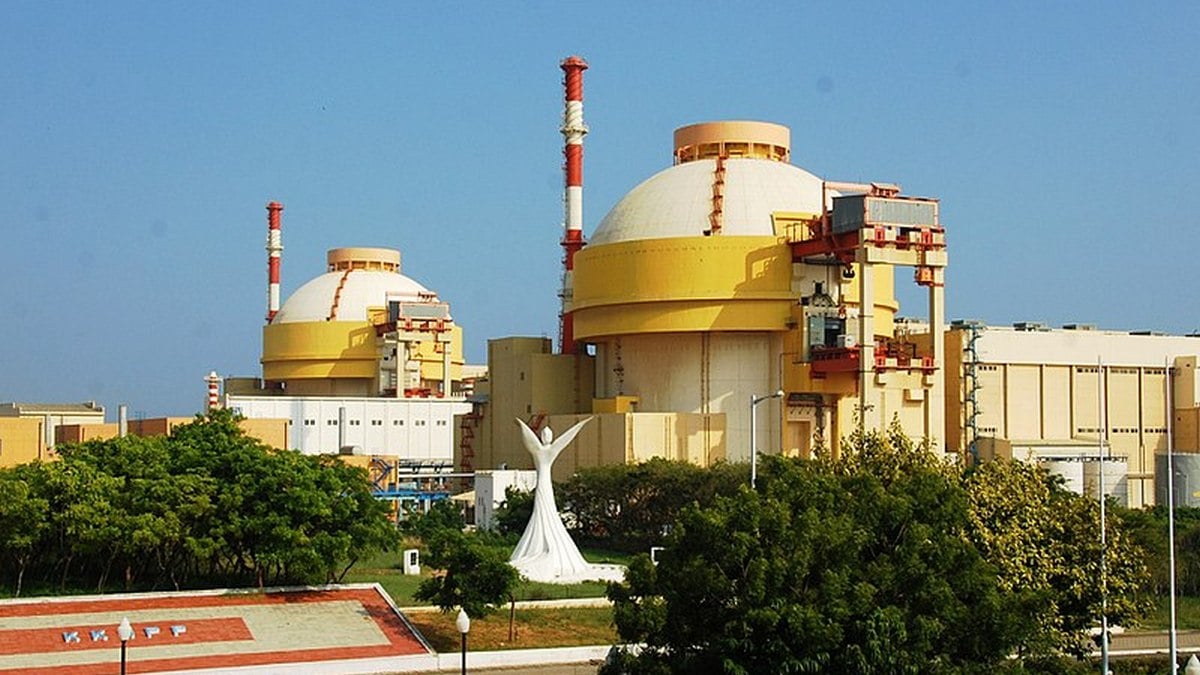
The Indian government has not given any licences for private companies to operate nuclear installations under the SHANTI Act, 2025.
This is because the rules for the act are still being written.
The government said that once the rules are ready, they will start looking at applications from private companies.
Private companies will need to have insurance or financial security to cover any damages that might happen.
The government will be responsible for damages that are very big or happen in government-owned places or due to natural disasters, wars, or terrorism.
The government might also create a fund to pay for these damages, which will be paid for by a small charge on electricity bills.
The government will keep some information secret if it could harm national security or the public.

No nuclear licences have been granted under the SHANTI Act, 2025, as the rules are still being drafted.
Applications from private entities will be considered only after the rules are notified.
Private operators must obtain insurance or financial security to cover liabilities before commencing operations.
Operator liability for nuclear incidents ranges from Rs 100 crore to Rs 3,000 crore depending on the category of the installation.
The Central Government will be liable for damages exceeding the operator's liability or occurring in government-owned installations or due to exceptional events.
- Who
- Minister of State in the Prime Minister’s Office Jitendra Singh
- What
- No nuclear licences granted under the SHANTI Act, 2025.
- When
- The information was provided on Thursday in the Rajya Sabha.
- Where
- New Delhi, India.
- Why
- Rules under the SHANTI Act are still in the drafting stage and applications from private entities will be considered only after they are notified.
Government's Stance
Private Sector's Perspective
Licensing Process
Government's Stance
The government is taking a cautious approach by ensuring rules are fully drafted before granting licences to prevent potential risks and ensure compliance with legislative processes.
Private Sector's Perspective
Private entities may view the delay in granting licences as a barrier to entering the nuclear energy market, potentially slowing down investment and innovation.
Liability and Insurance
Government's Stance
The government emphasizes the importance of financial security and insurance to cover liabilities, ensuring that private operators are prepared for potential nuclear incidents.
Private Sector's Perspective
Private operators might find the requirement for substantial insurance policies and financial security burdensome, potentially increasing the cost of entering the market.
- SHANTI Act
- Legislation governing nuclear energy in India, enacted in 2025.
- Licencing Status
- No licences granted as of now.
- Operator Liability
- Rs 100 crore to Rs 3,000 crore depending on the category of the nuclear installation.
- Government Liability
- Central Government liable for nuclear damage exceeding operator's liability, in government-owned installations, or due to exceptional natural disasters, armed conflict, hostility, civil war, insurrection, or terrorism.
- Nuclear Liability Fund
- Financed through a levy charged on electricity tariffs.
- Transparency Provisions
- Exempts disclosure of information classified as 'restricted information' if detrimental to national security and public interest.