

Archive · 2 Jan 2026
2026 to be peak year for Northern Lights travel
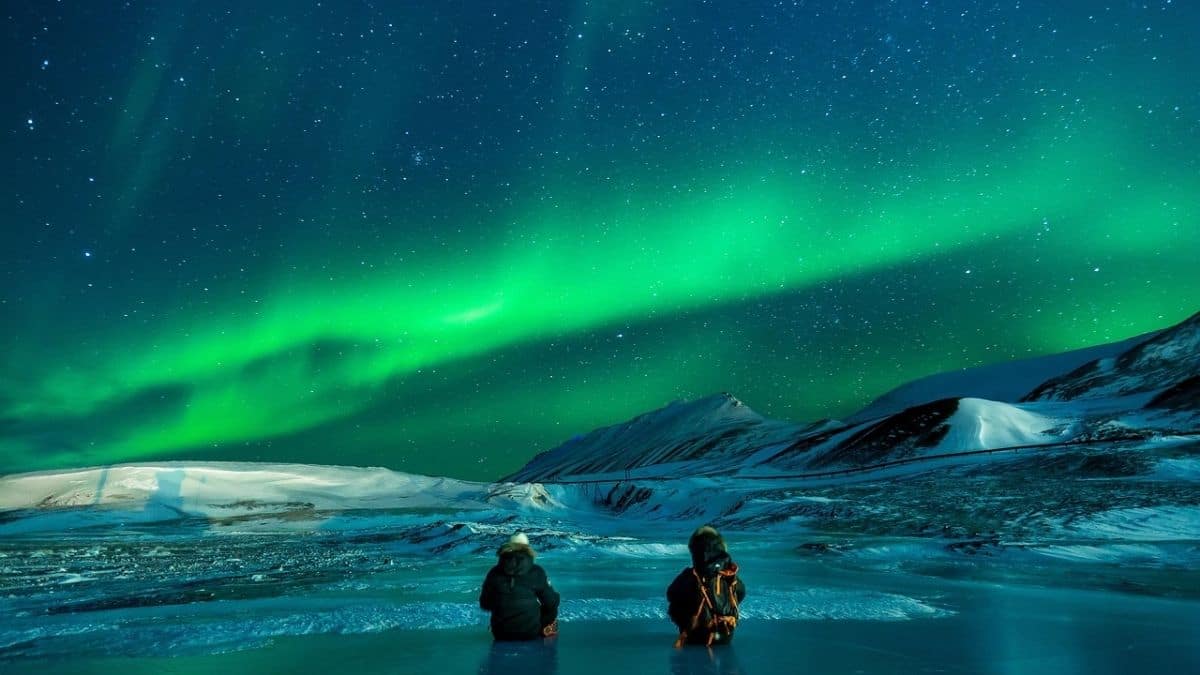
In 2026, the Northern Lights are expected to be more visible and vibrant than they have been in over a decade.
This is because the sun is entering a period of high activity, which makes the lights brighter and more frequent.
Scientists say this peak will happen around 2025 and last into 2026.
Special events called cannibal solar storms can make the lights even more intense, sometimes showing rare colors like pink and red.
Places like Norway, Sweden, Finland, and Iceland are the best spots to see the Northern Lights, especially from September to April.
More people are planning trips to see them, and travel companies are offering special tours, like train rides and cruises, to help visitors have the best experience.

2026 is expected to be a peak year for Northern Lights visibility due to increased solar activity.
Solar maximum around 2025 will enhance aurora displays, with elevated activity continuing into 2026.
Cannibal solar storms can create more intense and colorful Northern Lights displays.
Top destinations for viewing include Northern Norway, Sweden, Finland, and Iceland, with peak viewing months from September to April.
Travel demand is rising, with tour operators offering guided experiences like Northern Lights trains and cruises.
- Who
- Travelers and scientists interested in the Northern Lights
- What
- Increased visibility and demand for Northern Lights tourism in 2026
- When
- Peak viewing in 2026, with solar maximum around 2025
- Where
- Northern Norway, Sweden, Finland, and Iceland
- Why
- Solar activity is expected to peak, enhancing aurora visibility
- Solar Cycle
- 11-year cycle, peaking around 2025-2026
- Best Viewing Months
- September to April, with peaks in September, October, March, and April
- Top Destinations
- Northern Norway, Sweden, Finland, and Iceland
- Unique Phenomenon
- Cannibal solar storms creating more intense displays
- Travel Trends
- Increased demand for guided aurora experiences