

Archive · 26 Sep 2025
Caste in India: Contradictions Between Ideals and Reality
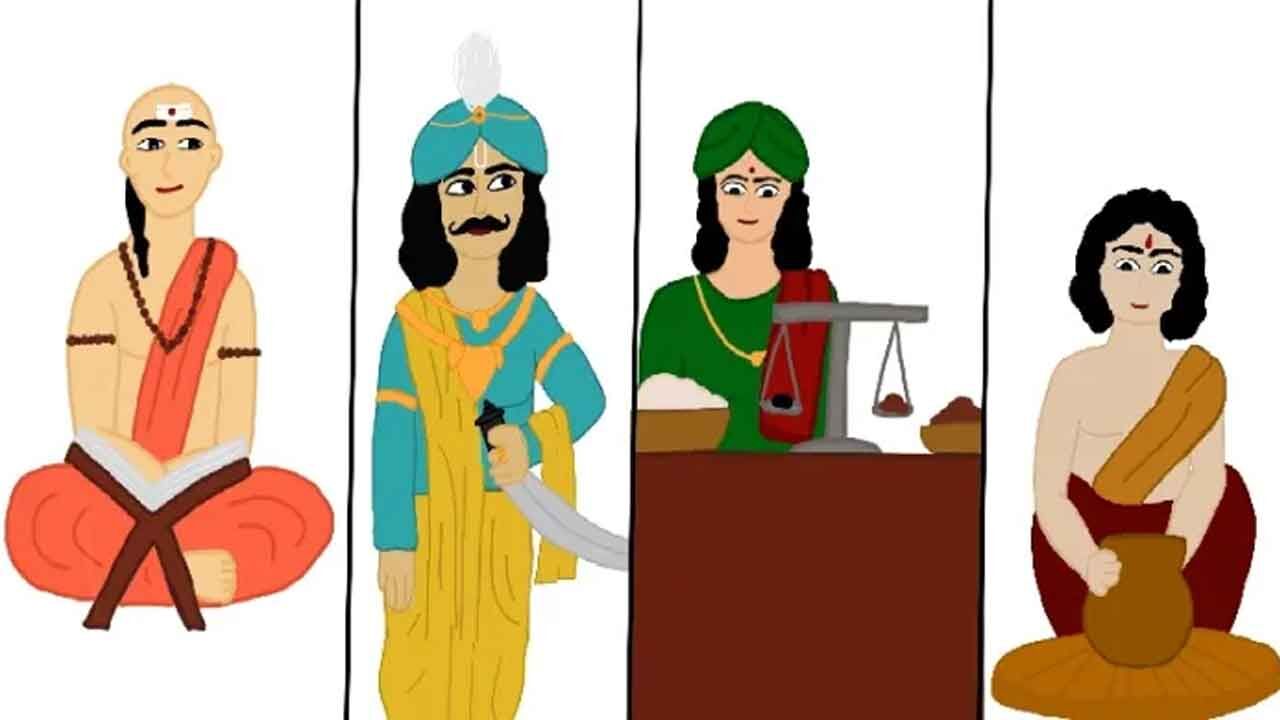
Imagine a law that says everyone should be equal, but then creates special groups based on birth.
B.R. Ambedkar wanted to get rid of the caste system.
However, the Indian Constitution he helped create has rules called reservations, which give certain groups advantages.
This system can lead to unfairness, where the groups who were supposed to get help don't always benefit.
Critics point out that the system sometimes helps the rich within these groups and lowers the quality of education.
The result is that the aim of eliminating caste has not been fulfilled, and society remains divided.

Ambedkar's 'Annihilation of Caste' advocated for the complete destruction of the caste system.
The Indian Constitution, drafted in part by Ambedkar, codifies caste through reservations.
Reservations are intended to help marginalized communities but are often monopolized by elites.
The Constitution contains numerous references to caste and tribes, perpetuating their significance.
Critics argue reservations lower standards in education and governance.
- Who
- B.R. Ambedkar, the Indian Constitution, and Indian society
- What
- The contradiction between Ambedkar's vision of caste annihilation and the Constitution's codification of caste through reservations.
- When
- The 1930s-1950s, with continued impact in the present day.
- Where
- India
- Why
- To examine the failure of the Indian constitution to eliminate casteism in society
Advocates for Affirmative Action
Critics of Caste-Based Policies
Caste-Based Reservations
Advocates for Affirmative Action
Defend constitutional caste-based reservations as a necessity, promoting social justice and representing marginalized communities.
Critics of Caste-Based Policies
Question the efficacy and fairness of reservations, arguing that they do not reach the intended beneficiaries and are a barrier to meritocracy and equality.
Equality vs. Equity
Advocates for Affirmative Action
Prioritizes equity, even if it means unequal treatment, to address historical injustices and promote fair outcomes.
Critics of Caste-Based Policies
Emphasizes formal equality, asserting that everyone should be treated the same regardless of their group identity, in order to promote equal opportunity and individual achievement.
Ambedkar's Legacy
Advocates for Affirmative Action
Invokes Ambedkar's legacy to defend and advocate for constitutional caste-based reservations, upholding the original spirit of his movement.
Critics of Caste-Based Policies
Notes the inherent contradiction, arguing that by entrenching caste, reservations go against Ambedkar’s anti-caste ideology.
- Central Figure
- B.R. Ambedkar
- Key Documents
- 'Annihilation of Caste' and the Indian Constitution
- Constitution's Stance
- Codifies caste through reservations
- 'Annihilation of Caste'
- Demands the destruction of caste
- Reservation's Impact
- Benefits often cornered by elites
- Number of Caste Mentions in Constitution
- 181