

Archive · 11 Jan 2026
Breakfast Protein Key to Avoiding 3 AM Wake-Ups
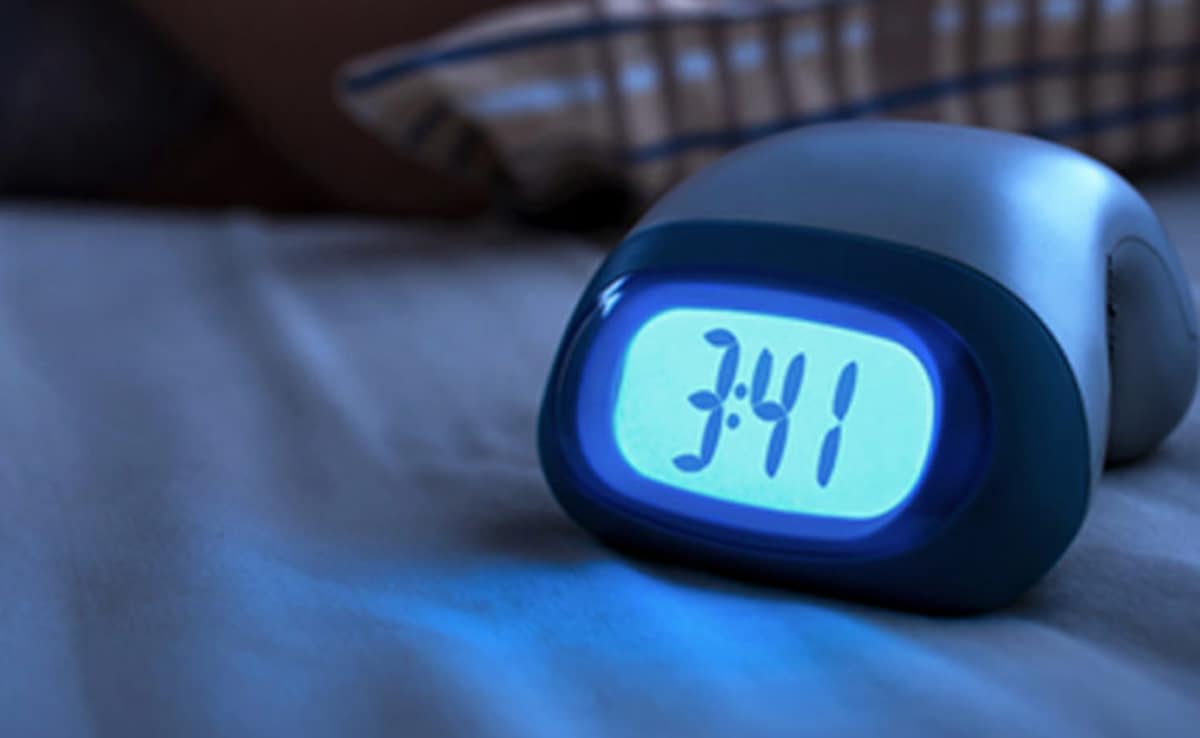
Did you know that eating a good breakfast with enough protein can help you sleep better at night?
Many people think that what they eat for dinner or late at night affects their sleep, but experts say it's actually what you eat for breakfast that matters.
A nutritionist named Pooja Makhija explains that eating enough protein in the morning helps keep your blood sugar levels steady all day.
This steadiness is important because when your blood sugar drops too low between 2 and 4 in the morning, your body releases a stress hormone called cortisol.
This hormone causes your blood sugar to spike suddenly, which can wake you up.
Makhija says that eating more protein at breakfast can help prevent these nighttime wake-ups.
She also mentions that while eating protein at dinner can help, it's not as effective as eating it at breakfast.
So, if you want to sleep better, try eating a breakfast with 25–35 grams of protein and see if it makes a difference!

Eating adequate protein at breakfast helps prevent nocturnal awakenings, especially around 3 AM.
Stable blood sugar levels during the day prevent sudden fluctuations at night.
Cortisol, a stress hormone, is released when blood glucose levels drop, causing a sugar spike that can wake you up.
Increasing protein intake at dinner is beneficial but not as effective as eating protein at breakfast.
Studies show that a high-protein breakfast results in lower post-dinner glucose levels compared to a low-protein breakfast.
- Who
- Pooja Makhija, a nutritionist
- What
- Eating adequate protein at breakfast can prevent nocturnal awakenings
- When
- Between 2 and 4 AM
- Where
- Not specified
- Why
- Stable blood sugar levels during the day prevent sudden fluctuations at night
- Expert
- Pooja Makhija
- Key Factor
- Protein intake at breakfast
- Recommended Protein
- 25–35 grams at breakfast
- Hormone Involved
- Cortisol
- Time of Glucose Drop
- Between 2 and 4 AM
- Study Observation
- High-protein breakfast lowers post-dinner glucose levels
- Disclaimer
- Not a substitute for medical advice