

Archive · 9 Dec 2025
Madhubani Art Faces Protection and Authenticity Challenges
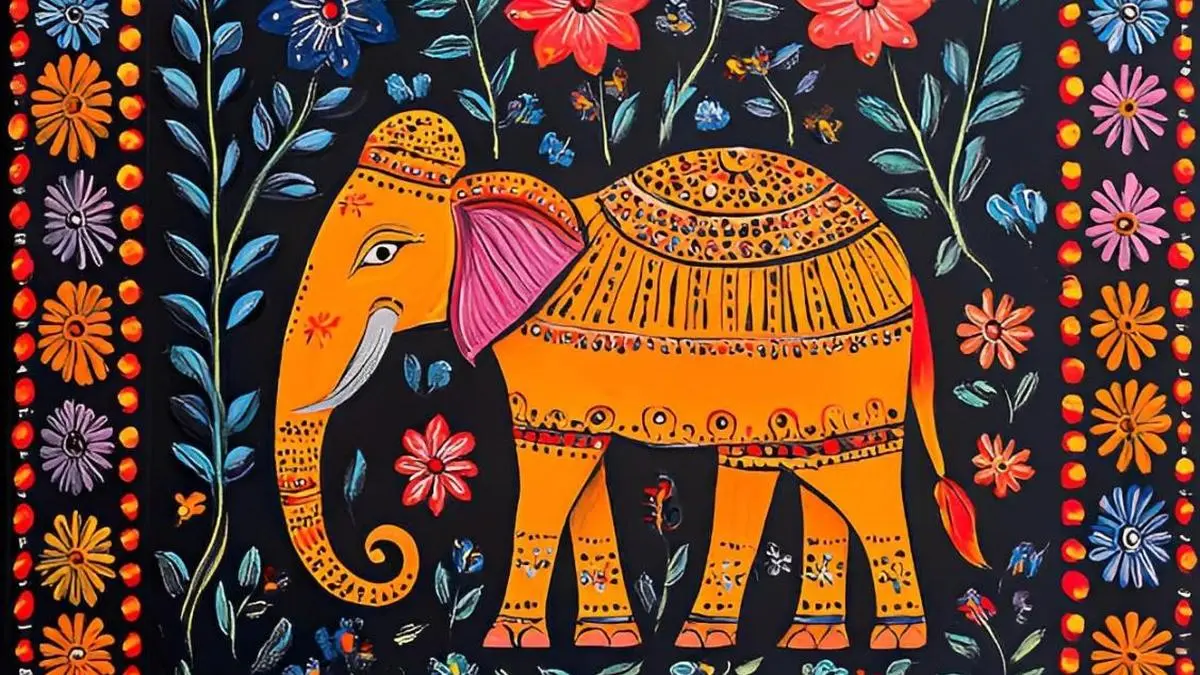
Madhubani painting is a very old art form from the Mithila region in India.
It's been painted by women for thousands of years and is famous all over the world.
In 2007, it got a special tag called GI to protect it.
But now, there are problems.
Not many artists are officially recognized, and the art is being used on many products, which makes it hard to say what's real Madhubani art.
Also, many artists don't have access to the internet or digital tools to sell their work.
The rules for protecting the art are old and don't match how the art is changing.
People are asking if the GI tag is really helping or if it needs to change to protect the art and the artists better.

Madhubani painting is a 2,500-year-old art form from the Mithila region, predominantly practiced by women.
The art received a Geographical Indication (GI) tag in 2007, but only 51 artists are officially recognized.
The market for Madhubani art has expanded to include various products, raising questions about authenticity.
Many artists lack digital access and are often underpaid or unrecognized, despite the art's global popularity.
The GI process has not evolved to reflect the art's dynamic nature and the needs of the artists.
- Who
- Women artists from the Mithila region of Bihar, India
- What
- Madhubani painting, a traditional art form facing challenges in protection and authenticity
- When
- The art form has a 2,500-year history, with recent issues arising post-2007 GI tag
- Where
- Mithila region, Bihar, India, with global market presence
- Why
- To ensure the art form's authenticity, protect artists' rights, and adapt to market changes
- Art Form
- Madhubani painting
- Origin
- Mithila region, Bihar, India
- Age
- 2,500 years old
- GI Tag Year
- 2007
- Authorized Users
- 51
- Padma Shri Recipients
- More than seven
- Market Growth
- 6.7% CAGR (2024-2032)