1 year ago
8 Indian Tea Estates: Homestays for Tea Lovers
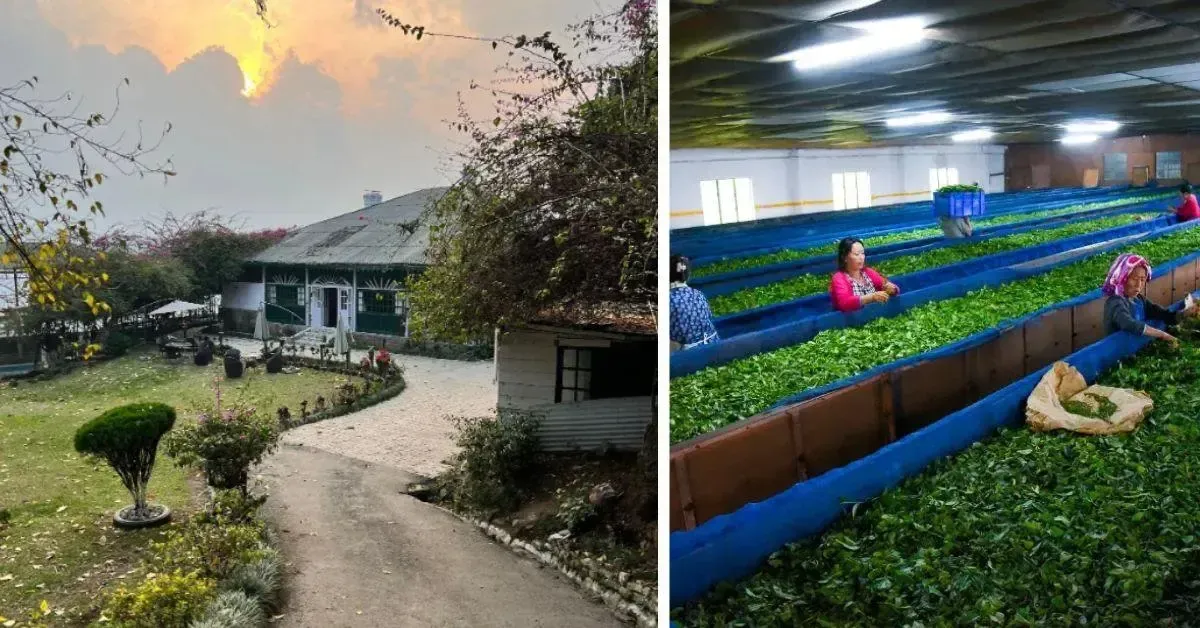
Imagine staying at beautiful homes surrounded by tea plants!
This article highlights eight tea estates in India where you can stay and learn about tea.
Each place offers a special experience, like touring tea gardens, visiting factories, and, of course, tasting delicious tea.
You can learn how tea is made, enjoy the beautiful scenery, and even take part in local activities.
Some estates are old with historic buildings, while others focus on being eco-friendly.
So, if you love tea and want a unique vacation, these homestays are the perfect spots!

Eight tea estate homestays in India offer immersive tea culture experiences.
Singtom Tea Estate features Victorian architecture and mountain views.
Glenburn Tea Estate provides holistic tea experiences, including garden and factory tours.
Sapoi Tea Farms allows guests to work in a tea factory and learn the basics.
O'Land Plantation Stays focuses on sustainable ecotourism with various activities.
Wild Mahseer offers historical bungalows and diverse tea varieties.
- Who
- Tea enthusiasts and travelers
- What
- Eight tea estate homestays in India
- Where
- India, primarily in Darjeeling, Assam, Coonoor, and West Bengal
- When
- Not specified, but the history of some estates dates back to the 1800s.
- Why
- To provide unique experiences of tea culture and scenic beauty
Key facts
- Focus
- Tea estate homestays in India
- Estates Featured
- Singtom, Glenburn, Sapoi, O'Land, Wild Mahseer, Sourenee, Vaani Greens, Yule Tea Retreat
- Activities
- Tea tasting, garden tours, factory visits, and cultural experiences
- Locations
- Darjeeling, Assam, Coonoor, West Bengal
- Key Feature
- Offering immersive experiences in tea culture
Quotes
The family
The Prakashes, also referred to as the ‘Chaiwala Family’, who run Glenburn Tea Estate
“Know how the tea leaf makes it to the cup”
 thebetterindia.com
Vinati
From O’Land Plantation Stays
“There was already a bungalow on the property, called ‘Estate House’, which was built around 1851. We went on to build two more — ‘Pepper House’, built entirely of CSEB (compressed stabilised earth blocks) and ‘Hornbill House’ built with brick, stone and wood.”
thebetterindia.com