

Archive · 19 Jul 2026
Book Challenges Genetic Explanation for Kenya's Running Success, Estonia's Startup Boom
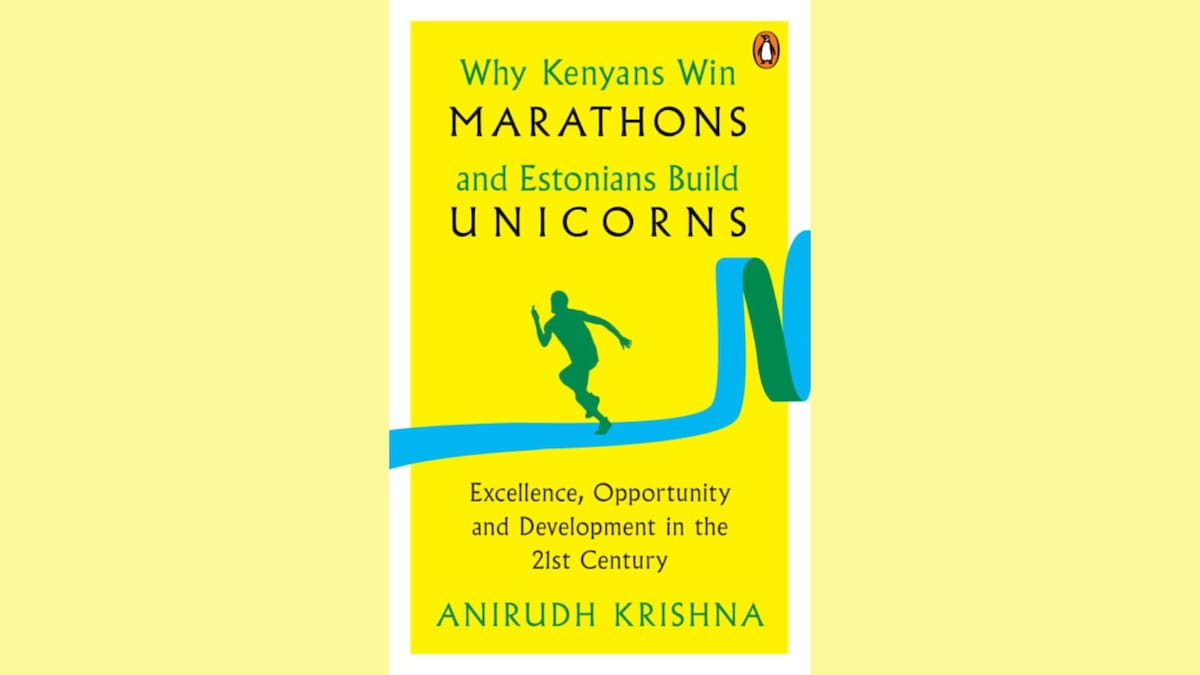
A new book by Anirudh Krishna says that countries like Kenya and Estonia are successful in running and technology not because of their genes or where they live, but because they have built good systems to help people succeed.
The book looks at many examples, like runners from Kenya and tech entrepreneurs from Estonia, and shows that their success comes from long-term investments and support.
It argues that anyone can create these systems, and success isn't just about natural advantages.
The book will be available on July 26.

A new book challenges the idea that genetics or geography are the main reasons for global success in specific fields.
The book argues that excellence comes from 'ladders of opportunity' built by governments, institutions, and communities.
Examples include marathon runners from Kenya, sprinters from Jamaica, tech entrepreneurs from Estonia, and writers from Nigeria.
The author's research spans over a decade and includes field visits, interviews, and secondary research in various countries.
The book disputes common explanations linking success to genetics or geography, showing that success is a result of deliberate investments.
- Who
- Development scholar and author Anirudh Krishna
- What
- A book challenging genetic explanations for global success in specific fields
- When
- Scheduled to release on July 26
- Where
- Global examples including Kenya, Estonia, Jamaica, Nigeria, and others
- Why
- To argue that excellence is nurtured through 'ladders of opportunity' rather than inherent traits
- Book Title
- Why Kenyans Win Marathons and Estonians Build Unicorns
- Author
- Anirudh Krishna
- Release Date
- July 26
- Publisher
- Penguin Random House India’s ’Viking’ imprint
- Price
- ₹699
- Research Duration
- Over a decade
- Examples Studied
- Marathon runners, sprinters, tech entrepreneurs, writers, schoolteachers, golfers, wrestlers, hackers
- Key Argument
- Excellence emerges from 'ladders of opportunity' rather than genetics or geography