

8 months ago
Supreme Court Upholds Kolhapur Bench of Bombay High Court
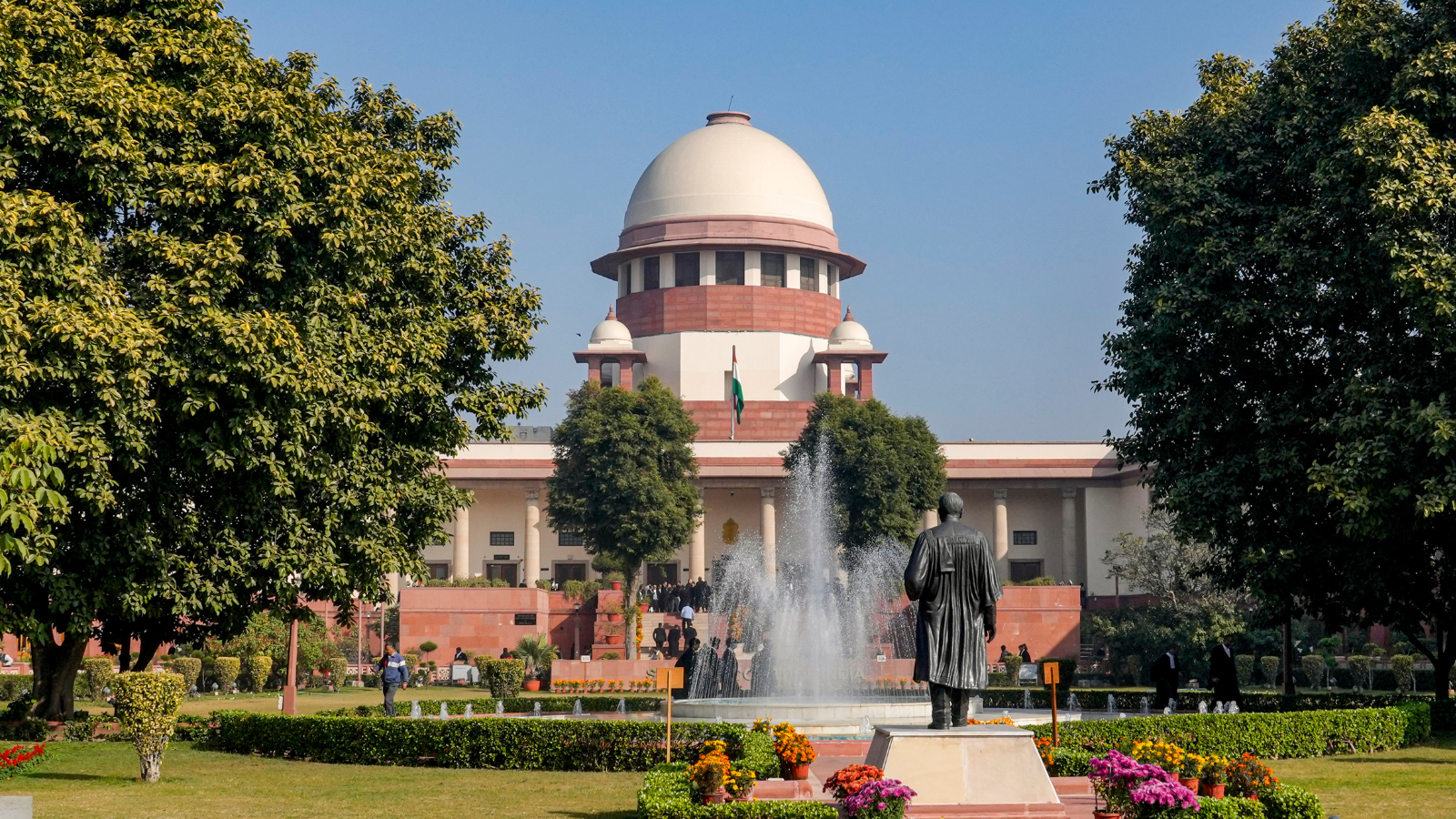
The Supreme Court of India recently made a decision about a new court in the city of Kolhapur.
A lawyer named Ranjeet Baburao Nimbalkar had asked the court to stop the plan to create a new branch of the Bombay High Court in Kolhapur.
However, the Supreme Court said no and supported the plan.
The court said that this new branch will help people who live far away from the main court in Mumbai.
The new court will handle cases from six districts, including Kolhapur, Solapur, and Sangli.
The Supreme Court also said that the decision was made carefully and follows the rules of the Constitution.
The new court was officially opened on August 17, 2024, by a former Chief Justice of India.

The Supreme Court dismissed a petition challenging the establishment of a Circuit Bench of the Bombay High Court in Kolhapur.
The bench was inaugurated on August 17, 2024, by former Chief Justice of India B R Gavai.
The bench will have jurisdiction over six districts: Kolhapur, Solapur, Sangli, Satara, Ratnagiri, and Sindhudurg.
The Supreme Court upheld the notification issued under Section 51(3) of the States Reorganisation Act, 1956.
The court stated that the decision was in line with the constitutional vision of bringing justice closer to the people.
- Who
- The Supreme Court of India
- What
- Dismissed a petition challenging the establishment of a Circuit Bench of the Bombay High Court in Kolhapur
- Where
- The bench will be located in Kolhapur, Maharashtra, India
- When
- The decision was made on August 1, 2024, and the bench was inaugurated on August 17, 2024
- Why
- To bring justice closer to the people and facilitate access to justice for litigants from geographically distant regions
Key facts
- Petitioner
- Ranjeet Baburao Nimbalkar, a lawyer
- Supreme Court Judges
- Justices Aravind Kumar and N V Anjaria
- Notification Date
- August 1, 2024
- Inauguration Date
- August 17, 2024
- Jurisdiction
- Kolhapur, Solapur, Sangli, Satara, Ratnagiri, and Sindhudurg
- Legal Provision
- Section 51(3) of the States Reorganisation Act, 1956
Quotes

Supreme Court of India
The highest judicial authority in India.
“The establishment of the Kolhapur bench is in consonance with the constitutional vision of bringing justice closer to the people and it does not infringe Article 21 in any manner. The decision facilitates access to justice for litigants from a region which is geographically distant from the principal seat of the High Court. The Constitution does not envisage a single model for judicial administration. It permits institutional discretion to be exercised within the framework of law to meet practical and geographical needs.”
 indianexpress.com
“There is no material to suggest that the Chief Justice acted unilaterally in disregard of the institutional inputs and relevant considerations. Even assuming that the consultative process would not conform to the petitioner’s expectations, this circumstance by itself would not vitiate the exercise of power under Section 51(3).”
indianexpress.com
Sources
Related news

Maharashtra Draft Electoral Roll Lists 7.71 Crore Electors
Maharashtra Moves To Simplify Laterite Stone Mining Rules

Maharashtra Plans Solar Boats to Expand Safer Water Transport

Minister Orders Sindhudurg Road Repairs Before Ganeshotsav 2026

Sindhudurg Luxury Hotel Project Advances After 32-Year Stalemate
