Archive · 7 Dec 2025
Modi Criticizes Macaulay's English Education Legacy
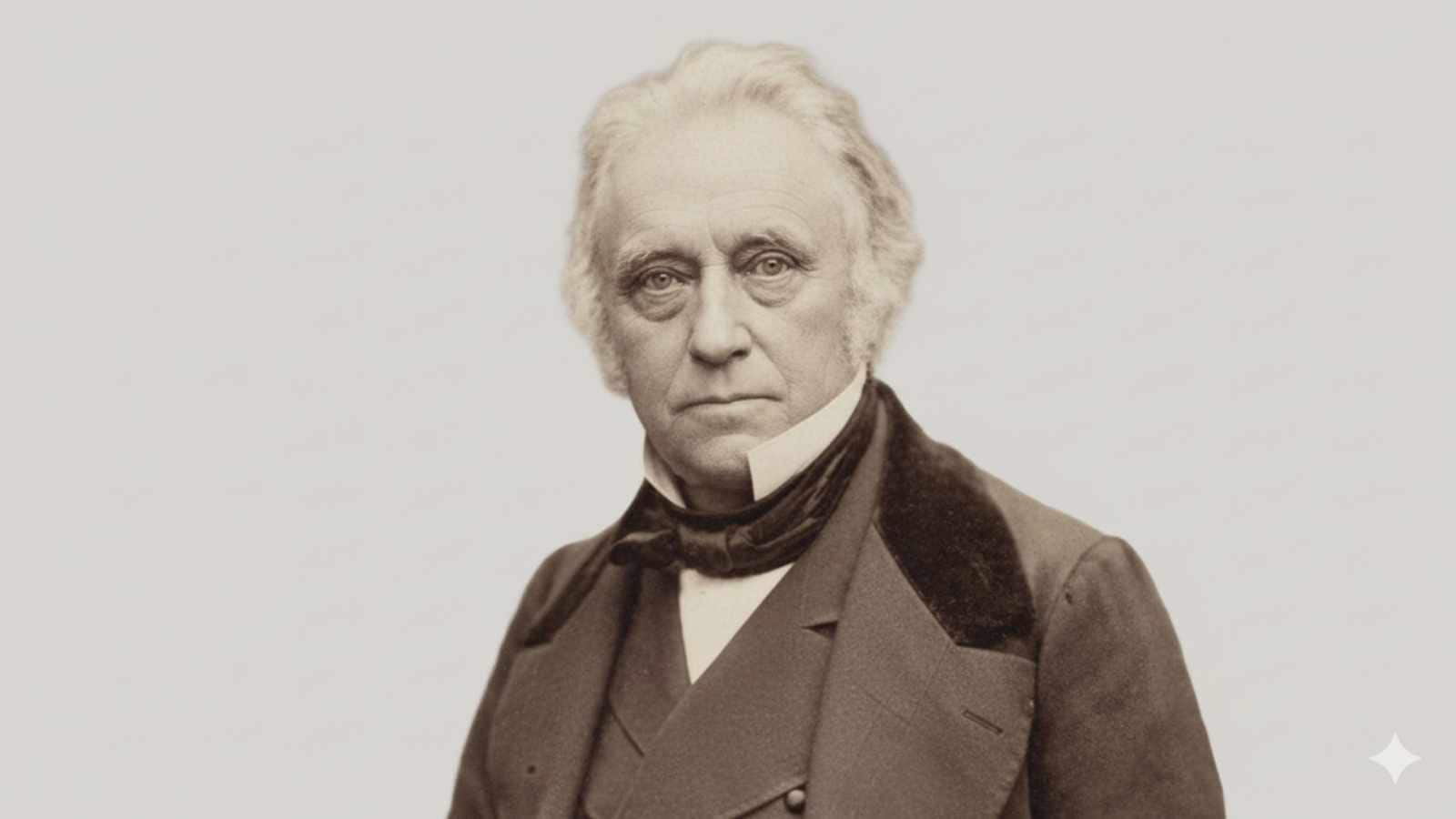
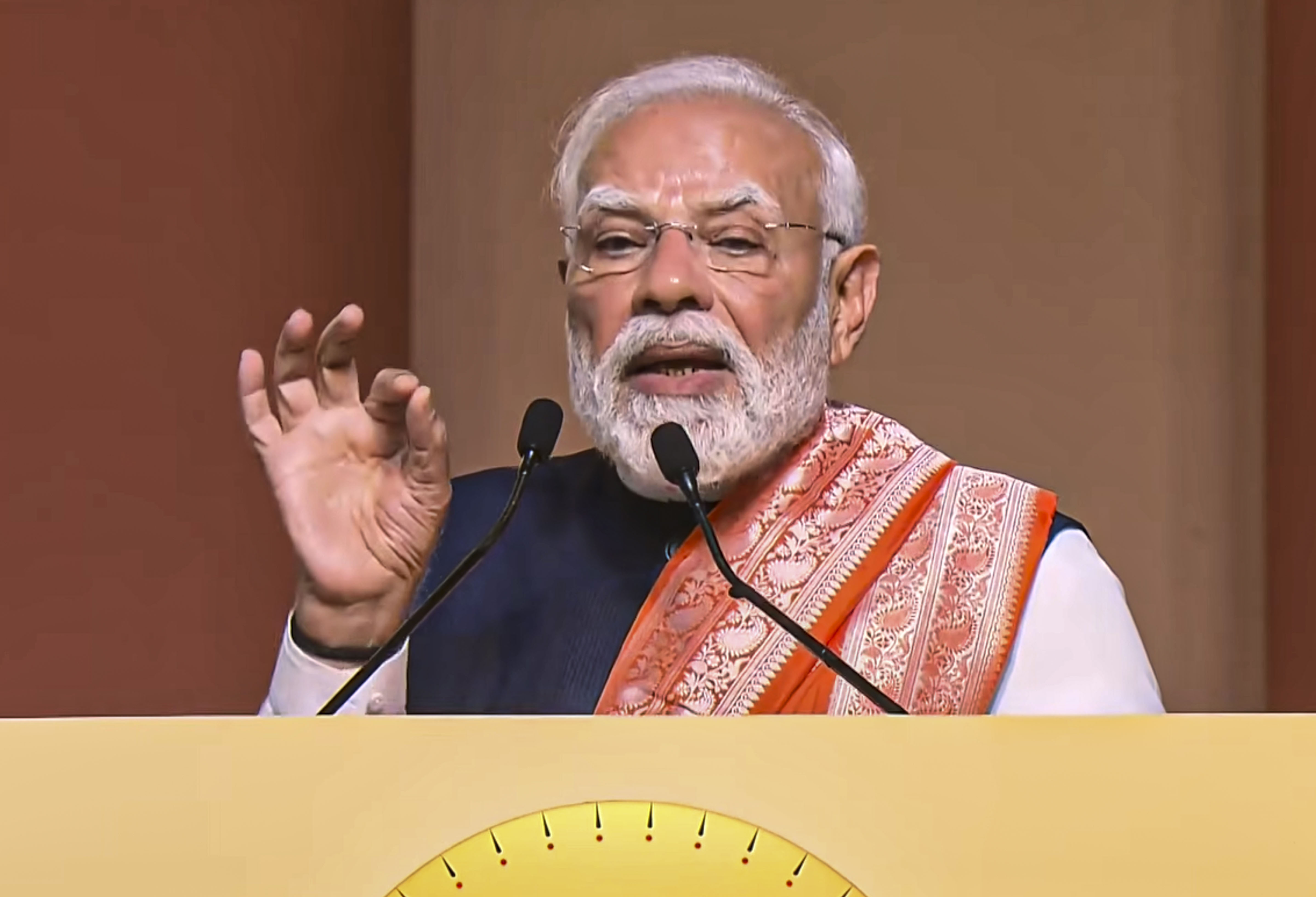
Prime Minister Narendra Modi recently spoke about Thomas Babington Macaulay, a British lawmaker from the 1800s.
Modi said that Macaulay's idea to teach English in India made people feel inferior and disconnected from their own culture.
Modi also mentioned that countries like Japan, South Korea, and China kept their own languages while adopting Western ideas.
Some people think English helped India grow, but Modi believes Indian languages should be supported too.
Back then, some British people disagreed about how to teach Indians, but Macaulay wanted to create a new class of educated Indians.
English also helped people from different languages and cultures in India communicate better.
Sri Sri Ravi Shankar, a spiritual leader, said that English should not be replaced as it connects India to the international arena and is widely learned even by non-English speakers.
He suggested encouraging the three-language formula to address concerns about English education.

Prime Minister Narendra Modi criticized Thomas Babington Macaulay's 1835 Minute on Education for promoting English education in India, which he said created a mindset of cultural 'slavery'.
Modi clarified that his government supports Indian languages and cited Japan, South Korea, and China as examples of countries that adopted Western practices without compromising their native languages.
English education in India has been seen as a tool for democracy, liberalism, and communication between diverse cultural and linguistic groups.
The introduction of English education was debated among British Orientalists and Anglicists, with Macaulay advocating for English as a means to create an egalitarian Indian empire.
English education initially targeted the elite and has continued to be a marker of social status, creating a new class of Indians.
- Who
- Prime Minister Narendra Modi, Thomas Babington Macaulay, Sri Sri Ravi Shankar
- What
- Criticism of Macaulay's 1835 Minute on Education and its impact on India, debate on the three-language formula
- When
- During the sixth Ramnath Goenka Lecture and an exclusive interview with Sri Sri Ravi Shankar
- Where
- India
- Why
- To discuss the cultural and educational impact of British colonial policies and the importance of the three-language formula
Supporters of English Education
Critics of English Education
Role of English in India
Supporters of English Education
English education has been a tool for democracy, liberalism, and communication between diverse cultural and linguistic groups in India.
Critics of English Education
English education has created a mindset of cultural 'slavery' and disconnected Indians from their own culture.
Three-Language Formula
Supporters of English Education
English should not be replaced as it connects India to the international arena and is widely learned even by non-English speakers like Chinese and Russian people.
Critics of English Education
The three-language formula should be encouraged, but English should not dominate at the expense of Indian languages.
- Prime Minister
- Narendra Modi
- Historical Figure
- Thomas Babington Macaulay
- Education Policy
- 1835 Minute on Education
- Countries Mentioned
- Japan, South Korea, China
- Freedom Movement Figure
- B R Ambedkar
- British Orientalists vs. Anglicists
- Debate over education strategy
- Impact of English Education
- Created a new class of Indians
- Spiritual Leader
- Sri Sri Ravi Shankar
- Education Formula
- Three-language formula