

Archive · 27 Jul 2026
Climate Change Threatens Nilgiris Tea Plantations
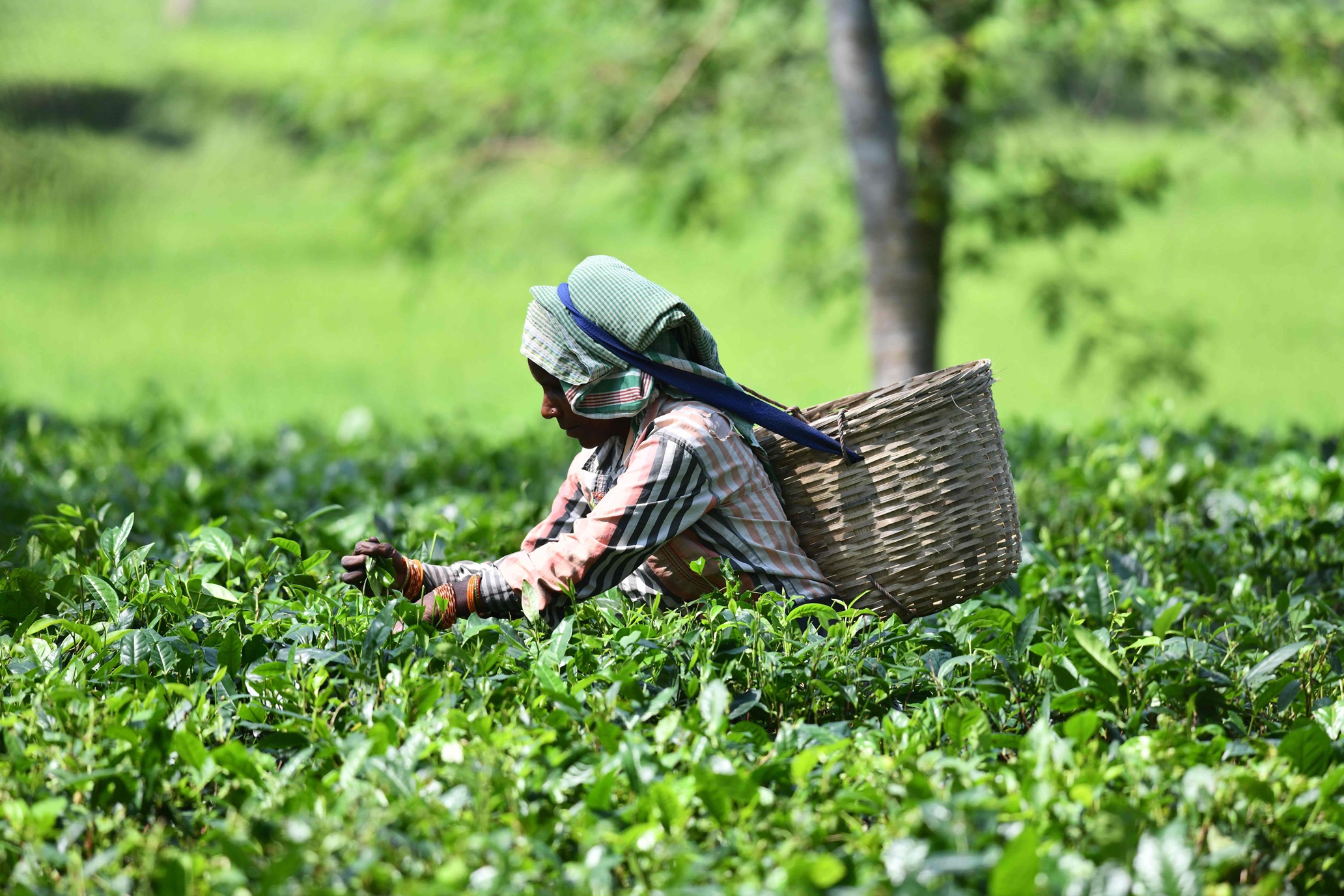
Climate change is causing big problems for tea plantations in the Nilgiris.
The weather is getting hotter, and the rain is not falling in the usual patterns.
This is making it hard for tea plants to grow well.
The plants need the right amount of water, sunlight, and warmth to grow, and these changes are making it difficult.
Experts say that to protect the tea plants, we need to use shade trees, conserve soil and water, and use special techniques to help the plants survive droughts.
This will help keep the tea plants healthy and ensure that we can continue to grow tea in the Nilgiris.

Climate change is causing rising temperatures and irregular rainfall in the Nilgiris, affecting tea plantations.
Tea plants are highly vulnerable to environmental shifts, impacting shoot growth, yield, and bush health.
The temporal distribution of rainfall has shifted, leading to more dry days and high-intensity rainfall events.
Adaptation strategies include shade management, soil conservation, and drought-resistant techniques.
Experts recommend protecting the tea bushes before focusing on crop extraction to ensure long-term sustainability.
- Who
- Tea plantation managers and smallholders in the Nilgiris
- What
- Climate change impacts and adaptation strategies for tea plantations
- When
- Ongoing, with immediate action recommended
- Where
- Nilgiris district, Tamil Nadu, India
- Why
- To mitigate the effects of climate change on tea plantations and ensure long-term sustainability
Climate Change Impact
Adaptation Strategies
Climate Change Effects
Climate Change Impact
Rising temperatures, irregular rainfall, and extreme weather events are negatively impacting tea plantations in the Nilgiris.
Adaptation Strategies
Adaptation strategies such as shade management, soil conservation, and drought-resistant techniques can mitigate these effects.
Rainfall Distribution
Climate Change Impact
The temporal distribution of rainfall has shifted, leading to more dry days and high-intensity rainfall events.
Adaptation Strategies
Strategic shade management and soil conservation can help regulate microclimates and protect tea bushes.
Tea Plant Vulnerability
Climate Change Impact
Tea plants are highly vulnerable to environmental shifts, affecting shoot growth, yield, and bush health.
Adaptation Strategies
Customized crop care techniques and early warning systems can build resilience and prevent physiological distress in tea bushes.
- Region
- Nilgiris, Tamil Nadu
- Annual Rainfall
- 900–1,500 mm
- Elevation Range
- 1,125 m to 2,400 m
- Key Crops
- Tea (Camellia sinensis)
- Climate Threats
- Rising temperatures, irregular rainfall, frost, hailstorms, high-intensity rainfall events
- Adaptation Strategies
- Shade management, soil conservation, drought-resistant techniques, customized crop care
