1 year ago
Peripheral Artery Disease: Causes, Symptoms, and Hypertension Link
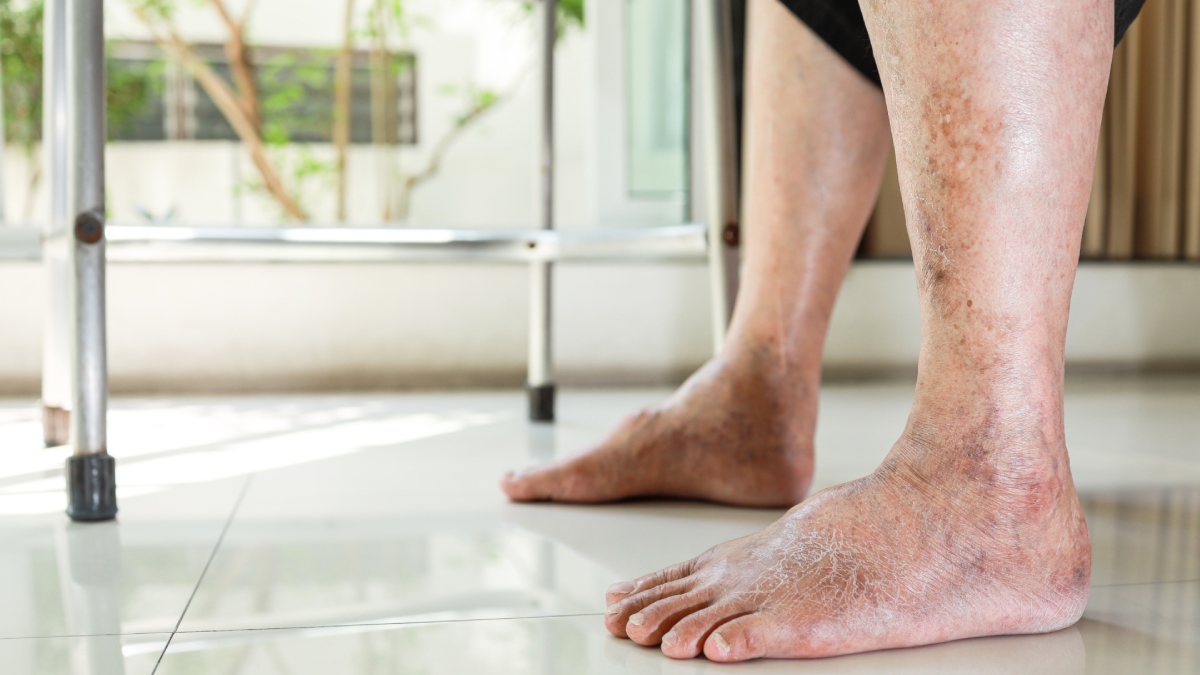
Imagine your legs are like roads, and blood is like cars delivering supplies.
Peripheral Artery Disease (PAD) happens when these roads get blocked, making it hard for the cars (blood) to reach your legs.
High blood pressure, or hypertension, is like the roads getting damaged.
Both conditions share similar risk factors, such as smoking and diabetes.
If you have both, you might experience leg pain or other problems.
Doctors can help by managing your blood pressure, which helps improve the condition.
Keeping blood pressure under control, along with a healthy lifestyle, is crucial.
Regular check-ups help find any problems early, similar to road inspections, to keep your legs healthy.

Peripheral artery disease (PAD) is caused by blockages in leg blood supply.
Hypertension and PAD share common risk factors, including diabetes and smoking.
Patients with both conditions are prone to severe complications like stroke and heart attack.
Controlling hypertension and lifestyle management helps in managing PAD.
Early detection of PAD in hypertensive patients is crucial for effective treatment.
- Who
- Patients with hypertension and PAD.
- What
- Peripheral artery disease (PAD), its link to hypertension, and related treatments.
- Where
- The article discusses PAD and hypertension.
- When
- The article discusses current information and treatment.
- Why
- To inform readers about PAD, its connection to hypertension, and the importance of early detection and management.
Key facts
- What is PAD?
- Blockage in blood supply to the leg
- Common Risk Factors
- Diabetes, sedentary lifestyle, smoking
- Symptoms
- Leg pain, ulcers, gangrene
- Ideal Blood Pressure
- Below 130/80 mmHg
- Diagnostic Tests
- Ultrasound Doppler, ABI
Sources
Related news

IIT Madras Develops Low-Cost, Minimally Invasive Glucose Monitor

Diabetes-Dementia Link: Risk, Prevention, and Future Prospects
Diabetes Can Increase Driving Risks Due to Vision and Cognitive Impairments

Quinoa vs. Brown Rice: Which Grain Aids Blood Sugar?
Eyes as Early Warning System for Cancer, Diabetes and More