Archive · 9 Dec 2025
Global Cancer Crisis Hits Vulnerable Hardest

There's a big problem with cancer around the world, especially in poor countries.
In 2023, there were 18.5 million new cancer cases and 10.4 million deaths.
Most of these deaths happen in places that don't have enough money or resources to detect and treat cancer early.
Things like smoking, bad diets, pollution, and unsafe workplaces cause a lot of these cancers.
Experts say that by 2050, there could be almost twice as many new cancer cases and deaths if nothing changes.
They want governments to do more to help, like making laws to stop smoking and pollution, and building better hospitals and labs.
In India, cancer deaths have increased by 29% in a decade, outpacing new cases, which have only risen by 10.4%.
This means more people are dying from cancer now than a decade ago.
The mortality-to-incidence ratio in India has gone up from 49% in 2015 to 57% in 2024.
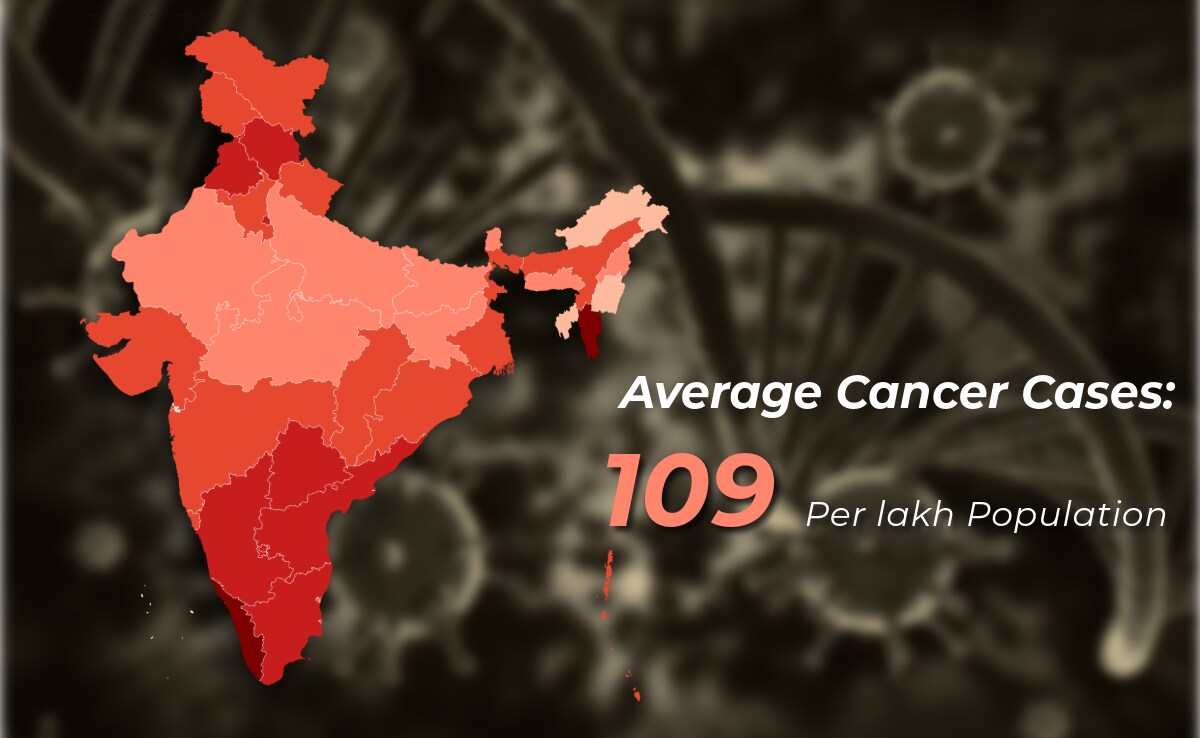
India has the third-highest number of cancer cases globally, with significant variations in per capita rates across different states.
Urbanized and coastal states like Kerala and Mizoram have the highest rates, while states like Daman & Diu and Dadra & Nagar Haveli have the lowest.
Large states like Uttar Pradesh and Maharashtra contribute a huge absolute caseload.
The sharp rise in mortality compared to incidence signals gaps in early detection, treatment access, and affordability.
As India's population ages and lifestyles change, cancer care infrastructure will need urgent strengthening to prevent this trend from worsening.

18.5 million new cancer cases and 10.4 million deaths were recorded worldwide in 2023.
Almost four-fifths of cancer deaths occur in low- and middle-income countries due to lack of resources.
Modifiable risk factors account for over 42% of cancer fatalities, including alcohol, tobacco, poor diets, and pollution.
By 2050, the world could see around 30.5 million new cancer diagnoses and 18.6 million deaths annually.
Experts call for stronger public health measures, improved early detection, and expanded health infrastructure to address the crisis.
- Who
- Global health experts and the Global Burden of Disease 2023 Cancer Workgroup
- What
- A growing cancer epidemic impacting the world's poorest and most vulnerable communities
- When
- Report released in 2023, with projections for 2050
- Where
- Low- and middle-income countries, particularly sub-Saharan Africa and South Asia
- Why
- Due to modifiable risk factors, inadequate public health policies, lack of regulations, and financial obstacles
Public Health Advocates
Government Officials
Resource Allocation
Public Health Advocates
Public health advocates argue for increased funding and resources to be allocated to cancer prevention and treatment, especially in low- and middle-income countries.
Government Officials
Government officials may prioritize other pressing health issues or economic concerns, leading to slower implementation of cancer-specific measures.
Policy Implementation
Public Health Advocates
Advocates push for stricter regulations on modifiable risk factors such as tobacco and pollution to reduce cancer incidence.
Government Officials
Government officials may face political and economic pressures that delay or weaken the enforcement of such regulations.
- New Cancer Cases (2023)
- 18.5 million
- Cancer Deaths (2023)
- 10.4 million
- Projected New Cases (2050)
- 30.5 million
- Projected Deaths (2050)
- 18.6 million
- Modifiable Risk Factors
- 42% of fatalities
- India's Cancer Cases (2015-2024)
- Increased from 13.9 lakh to 15.3 lakh
- India's Cancer Deaths (2015-2024)
- Increased from 6.8 lakh to 8.7 lakh
- Mortality-to-Incidence Ratio in India (2015-2024)
- Increased from 49% to 57%