

Archive · 3 Dec 2025
India to Launch National Legislative Index
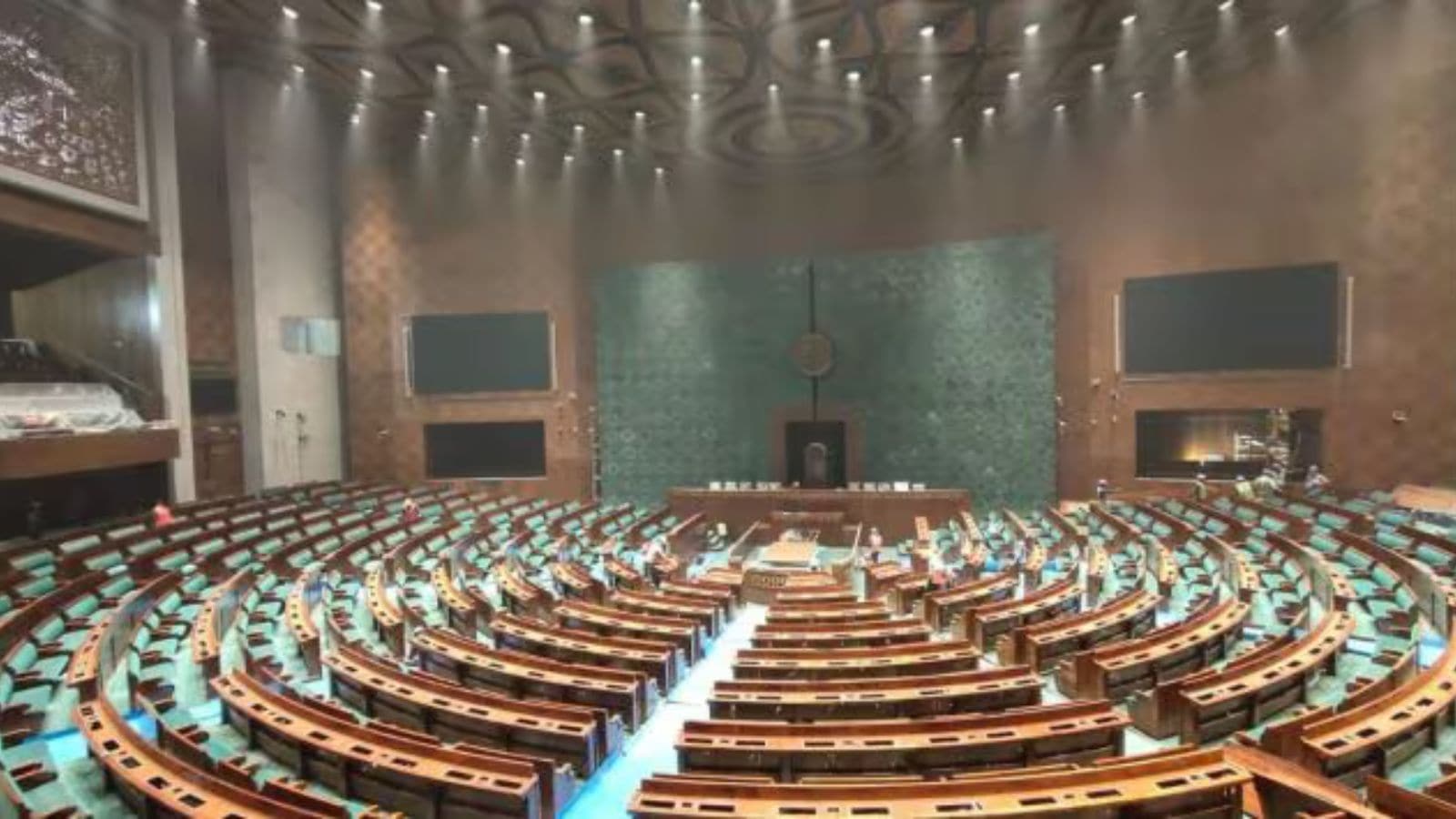
India is creating a new system called the National Legislative Index (NLI) to measure how well state legislatures are working.
Right now, many legislatures don't meet often, and this can make it hard for them to do their jobs well.
The NLI will give each legislature a score based on things like how many days they meet, how quickly they pass laws, and how transparent they are.
This will help them improve and work better.
The goal is to make legislatures more effective and to help people trust them more.
The NLI will also encourage legislatures to use more technology and include more people in discussions.
This is important because it will help India's democracy work better.

India is launching the National Legislative Index (NLI) to benchmark state legislature performance annually.
The NLI will evaluate legislatures on productivity, transparency, and innovation using a 0-100 scoring system.
Key indicators include sitting days, bill processing time, question-hour duration, and digitisation efforts.
The initiative aims to strengthen legislative functioning, restore public faith, and promote best practices.
The NLI aligns with the vision of a 'One Nation, One Legislative Platform' for digital integration and transparency.
- Who
- India's state legislatures and the National Legislative Index (NLI) initiative
- What
- Launch of the National Legislative Index to benchmark and improve state legislature performance
- When
- Upcoming, with annual publications
- Where
- India, focusing on state legislatures
- Why
- To enhance legislative productivity, transparency, and innovation, and to restore public faith in democratic institutions
- Initiative
- National Legislative Index (NLI)
- Purpose
- Benchmarking state legislatures' performance
- Scope
- Productivity, transparency, innovation
- Frequency
- Annual publication
- Scoring
- 0-100 score for each legislature
- Indicators
- Sitting days, bill processing, question-hour, digitisation
- Objective
- Strengthen legislative functioning and public faith