

Archive · 31 Oct 2025
US FDA Reforms to Boost Biosimilar Development, Aiding Indian Companies
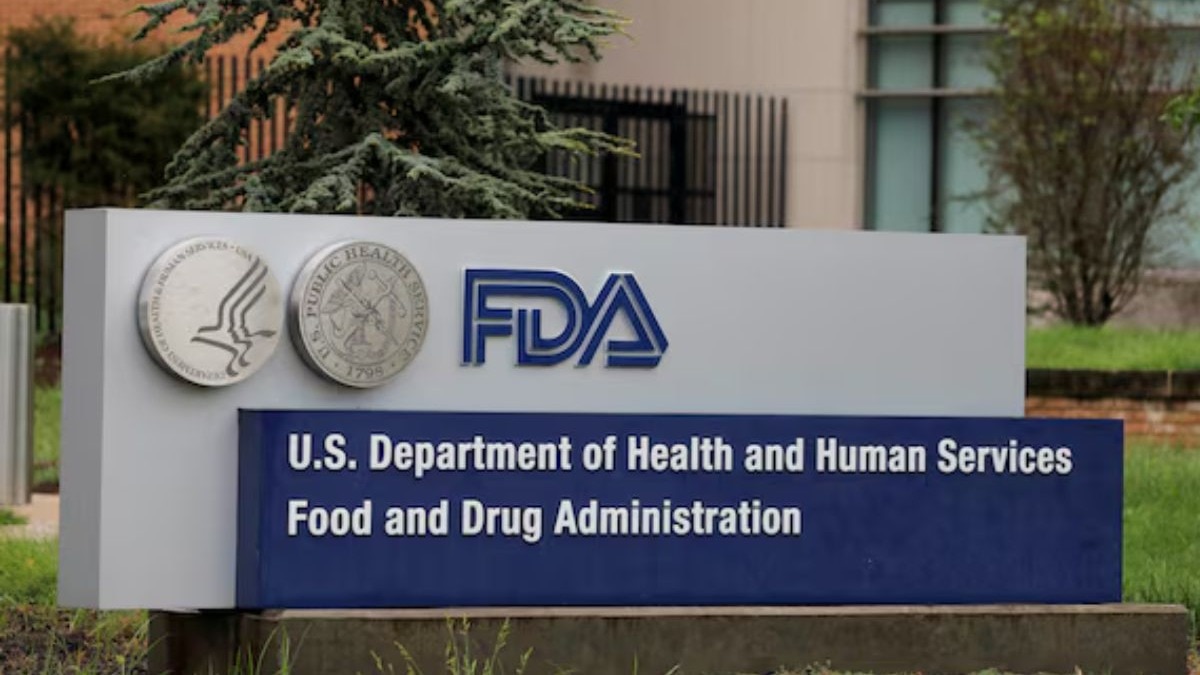
The FDA in the US is changing its rules to make it easier and cheaper to create medicines called biosimilars.
These are like less expensive versions of very costly biologic drugs that treat serious illnesses.
Currently, these expensive drugs make up a large part of healthcare costs even though they are prescribed less often.
The new rules will mean companies don't need to do as many long and expensive human tests to prove their biosimilar is similar to the original.
It will also be simpler for these biosimilars to be approved for use as a substitute for the brand-name medicine.
This is good news for countries like India, which are already good at making these affordable medicines.
It means Indian companies can more easily sell their biosimilars in the US, helping more Americans get the treatments they need at a lower cost.

US FDA has announced reforms to simplify and reduce the cost of developing biosimilar drugs.
The new draft guidance allows developers to rely more on analytical testing, lessening the need for extensive comparative human clinical studies.
The FDA also aims to ease the pathway for biosimilars to achieve interchangeability status, allowing for easier substitution.
India, a major hub for affordable biologics, is expected to benefit significantly from these changes, with increased exports and market opportunities.
The reforms are intended to accelerate biosimilar development, drive market competition, lower drug costs, and expand patient access to treatments.
- Who
- US Food and Drug Administration (FDA)
- What
- Announced reforms to simplify and reduce the cost of developing biosimilars and granting interchangeability status.
- When
- This week
- Where
- United States
- Why
- To make the approval process faster and less burdensome, increase competition, lower drug costs for patients, and expand access to treatments.
Arguments for FDA's New Guidance
Potential Concerns/Implications
Development and Approval Process
Arguments for FDA's New Guidance
The reforms simplify the development process by reducing the need for costly and time-consuming comparative human clinical studies and easing the path to interchangeability status. This accelerates market entry.
Potential Concerns/Implications
While aiming to streamline, the emphasis on analytical testing over extensive clinical trials could lead to lingering questions or skepticism regarding long-term real-world effectiveness and safety among some patient groups or medical professionals.
Market Competition and Access
Arguments for FDA's New Guidance
These changes are expected to drive significant market competition, increase the number of affordable biosimilars available, and lower healthcare costs for patients and the US system.
Potential Concerns/Implications
Despite previous approvals, biosimilar market penetration remains low. It is uncertain if regulatory changes alone will overcome existing market dynamics, physician prescribing habits, and patient trust in established biologics.
Benefit to India's Industry
Arguments for FDA's New Guidance
The simplified pathway aligns with India's strengths in cost-efficient manufacturing and analytical capabilities, opening substantial new market opportunities for Indian companies in the US.
Potential Concerns/Implications
While India is well-positioned, stringent quality and compliance standards will remain critical. The actual increase in profitability and market share will depend on Indian firms' ability to meet these standards while navigating the competitive landscape.
- Biologic Drug Spending Share
- 51% of total US drug spending
- Biologic Drug Prescription Share
- 5% of total US prescriptions
- Approved Biosimilars in US
- 76
- Biosimilar Market Penetration
- Below 20%
- Indian Biosimilars Approved
- Approx. 130
- Comparative Efficacy Study Cost
- Approx. $24 million
- Comparative Efficacy Study Time
- Up to 3 years
