

Archive · 19 Jan 2026
Scientists Document Intense Marine Darkwaves Impacting Ecosystems
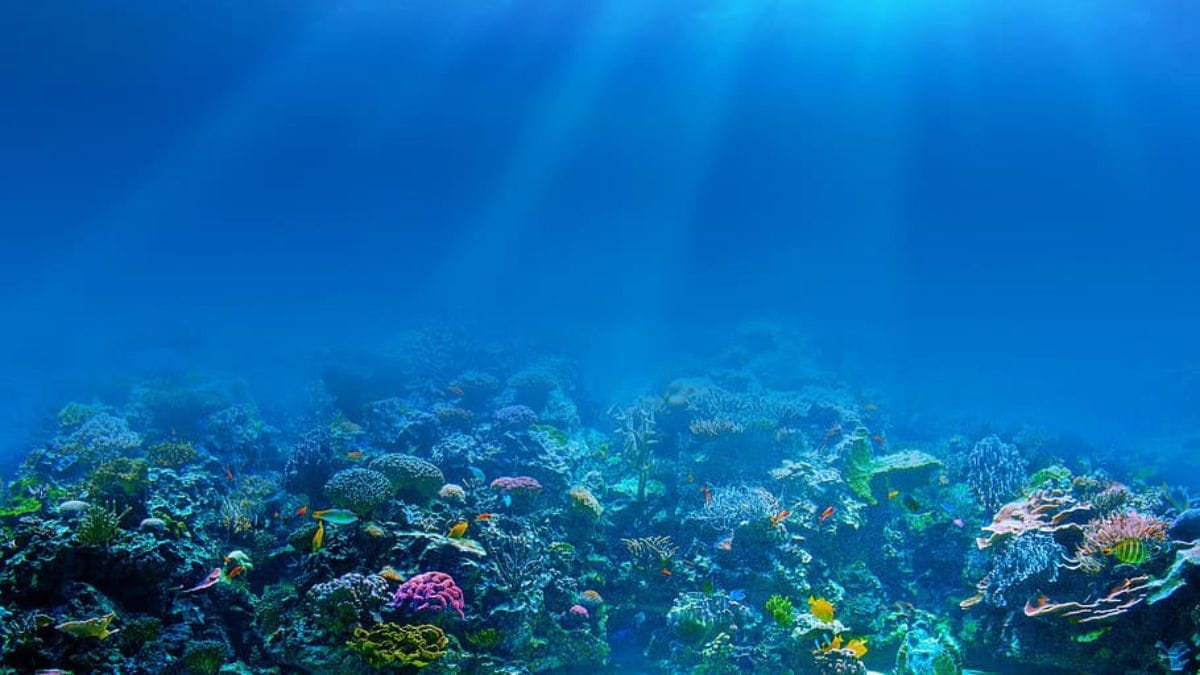
Scientists have found that sometimes the ocean gets very dark for a short or long time.
This is called a marine darkwave.
When this happens, plants and animals that live in the ocean, like kelp, seagrasses, and corals, can have a hard time.
These darkwaves can last from a few hours to a couple of months and can be caused by storms or big weather systems.
The scientists used data from the ocean over many years to study this.
They found that even short periods of darkness can hurt the ocean's plants and animals.
This is important because it helps us understand how to protect the ocean and its creatures.

Scientists have documented intense marine darkwaves that can last from a few hours to a couple of months.
These darkwaves can significantly impact marine ecosystems, including photosynthetic organisms like algae, kelp, seagrasses, and corals.
The study used 16 years of data from Santa Barbara and 10 years from New Zealand coastal regions.
Darkwaves can be caused by powerful storms and large-scale weather systems.
Even short periods of reduced light can impair photosynthesis and affect the behavior of marine animals.
- Who
- Scientists from UC Santa Barbara and the University of Waikato
- What
- Documented intense marine darkwaves impacting marine ecosystems
- When
- Study published on 12 January, phenomenon observed since 2002
- Where
- Coastal regions of Santa Barbara and New Zealand
- Why
- To understand the impact of reduced underwater light on marine life
- Study Title
- Marine darkwave as an event-based framework to assess unusual periods of reduced underwater light availability
- Publication Date
- 12 January
- Journal
- Communications Earth & Environment
- Study Duration
- 16 years (Santa Barbara) and 10 years (New Zealand)
- Darkwave Duration
- A few hours to a couple of months
- Impacted Organisms
- Algae, kelp, seagrasses, corals, fish, sharks, marine mammals