

Archive · 26 Jul 2026
India-Pakistan Tensions Over Indus Waters Treaty
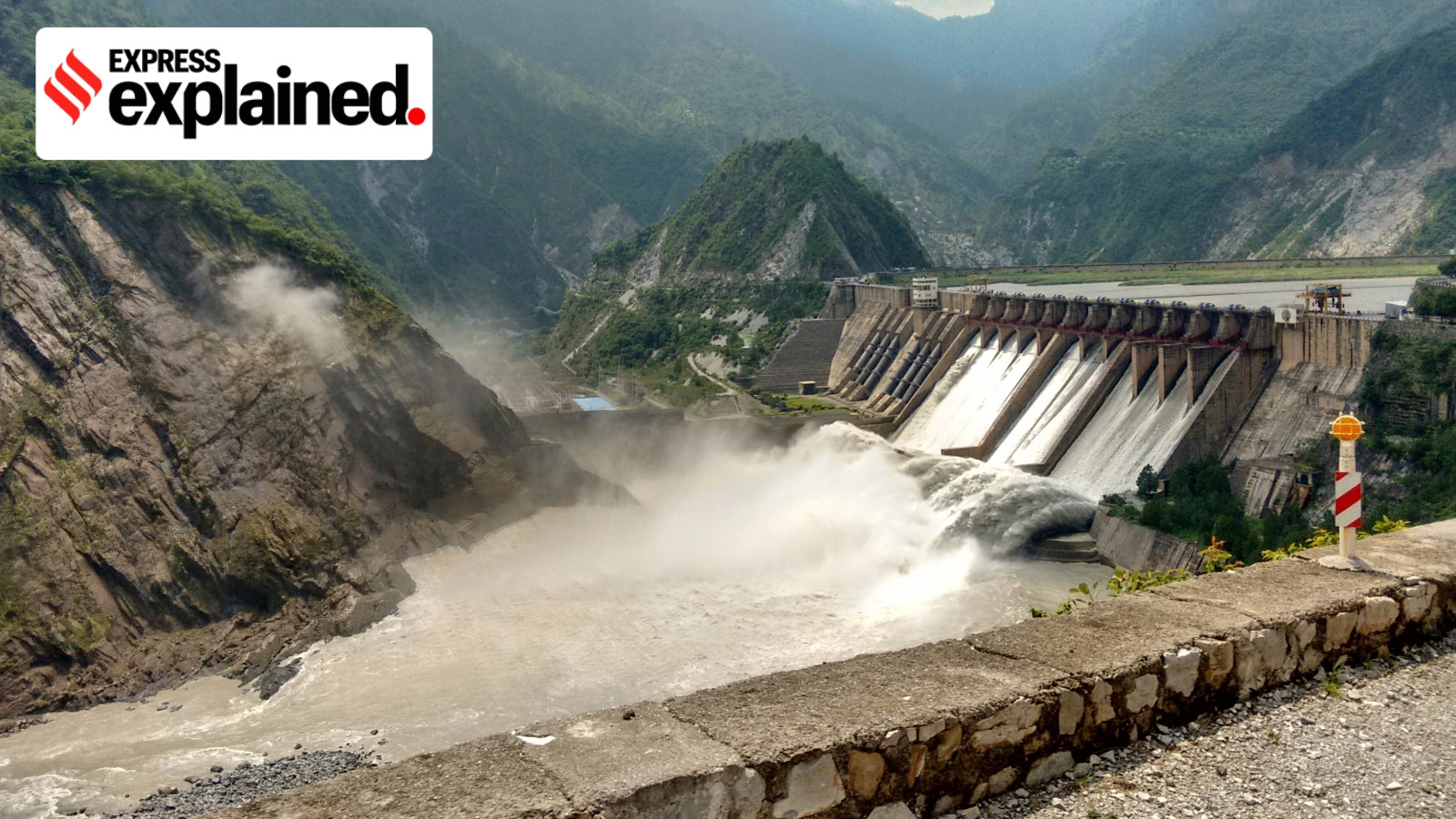
The Indus Waters Treaty between India and Pakistan, signed in 1960, has been a source of tension recently.
India suspended the treaty last year after a terror attack, arguing that Pakistan's support for terrorism makes it impossible to uphold the agreement.
India also wants to develop its water systems to meet growing needs and address water stress in several states.
Pakistan, however, sees India's actions as a threat to its water security and a breach of the treaty.
Pakistan claims that India is weaponizing water resources, but India argues that the treaty is unfair and that Pakistan's water issues are due to poor management.
India is now focusing on developing hydropower projects and restoring the efficiency of existing ones, while Pakistan continues to object to these actions.

India suspended the Indus Waters Treaty in April 2025 due to Pakistan's support for cross-border terrorism.
India argues the treaty is unfair, giving Pakistan 80% of the Indus Basin waters and imposing extensive obligations on India.
Pakistan views India's actions as a threat to its water security and a breach of the treaty.
India is expediting hydropower projects and restoring the efficiency of existing ones to meet its water needs.
Pakistan's water issues are largely due to inefficient water management, with significant losses during conveyance and unutilized water flowing into the Arabian Sea.
- Who
- India and Pakistan
- What
- Tensions over the Indus Waters Treaty and its suspension by India
- When
- April 23, 2025
- Where
- Indus Basin, involving India and Pakistan
- Why
- India suspended the treaty due to Pakistan's support for cross-border terrorism and to address its own water needs and security.
India's Perspective
Pakistan's Perspective
Treaty Suspension
India's Perspective
India suspended the treaty due to Pakistan's support for cross-border terrorism, arguing that agreements cannot be insulated from acts of hostility.
Pakistan's Perspective
Pakistan views India's suspension as a threat to its water security and a breach of the treaty.
Water Utilization
India's Perspective
India argues it needs to develop its water systems to meet increasing demands and address water stress in states like Punjab, Haryana, and Rajasthan.
Pakistan's Perspective
Pakistan sees India's actions as a weaponization of water resources and a threat to its water security.
Treaty Asymmetry
India's Perspective
India believes the treaty is structurally asymmetric, giving Pakistan 80% of the Indus Basin waters while imposing extensive obligations on India.
Pakistan's Perspective
Pakistan argues that the treaty is fair and that India's actions are aimed at renegotiating the terms to its advantage.
- Treaty Year
- 1960
- India's Water Share
- 20% (33 MAF annually)
- Pakistan's Water Share
- 80% (135 MAF annually)
- Key Indian Projects
- Sawalkot, Pakal Dul, Ratle, Kiru, Kwar, Ujh Multipurpose Project
- Pakistan's Water Loss
- 30-40% of canal water lost during conveyance
- Pakistan's Unutilized Water
- 35 MAF flows into the Arabian Sea annually