

Archive · 25 May 2025
Multivitamins: Use, Benefits, and Choosing the Right One
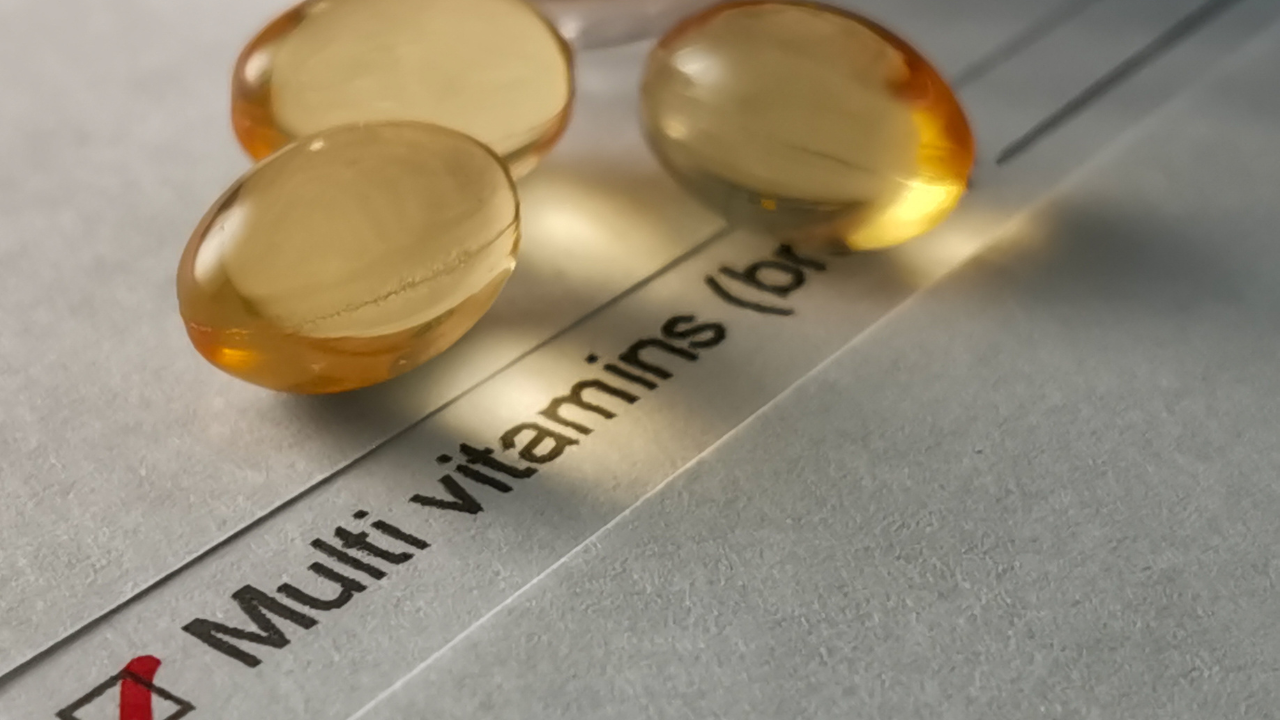
Multivitamins are like a helping hand for your body, but they aren't a magic fix.
They provide essential vitamins and minerals, especially if your diet is lacking.
However, they don't offer all the benefits of eating real fruits and vegetables.
Different people, like kids or pregnant women, need different things.
It's important to pick a multivitamin carefully, looking at what's inside and what's not.
Too much of some vitamins can be harmful, so it's better to have a balanced approach and consult a healthcare provider.

Multivitamins can support health but don't replace nutrients from whole foods.
Bioavailability of ingredients is crucial for effective absorption.
Special nutritional needs exist for children, pregnant women, and the elderly.
Some multivitamins contain unnecessary additives.
Excessive intake of certain vitamins can be harmful.
- Who
- People seeking to improve their health through supplements.
- What
- The use, benefits, and selection of multivitamins.
- When
- Ongoing, as people consider supplement usage.
- Where
- In pharmacies and health-related settings.
- Why
- To address potential nutritional gaps, though not a replacement for a balanced diet.
Effectiveness of Multivitamins
Potential Risks of Excessive Supplementation
Vitamin Overload
Effectiveness of Multivitamins
Excess vitamins simply pass through the urine if the body doesn’t need them.
Potential Risks of Excessive Supplementation
Fat-soluble vitamins can build up to toxic levels, potentially harming health.
- Multivitamin Role
- Support, not a replacement for whole foods
- Key Nutrients
- Vitamin C, B12, iron, zinc
- Examples of Bioavailable Forms
- Methylfolate, magnesium glycinate
- Needed by children
- Vitamin D, calcium, iron
- Needed by pregnant women
- Folate, iron
- Needed by elderly
- B12, Vitamin D
- Ingredients to Avoid
- Artificial colors, preservatives