1 hr ago
Neelam Gorhe Seeks Stronger Healthcare and Sex-Determination Enforcement in Beed
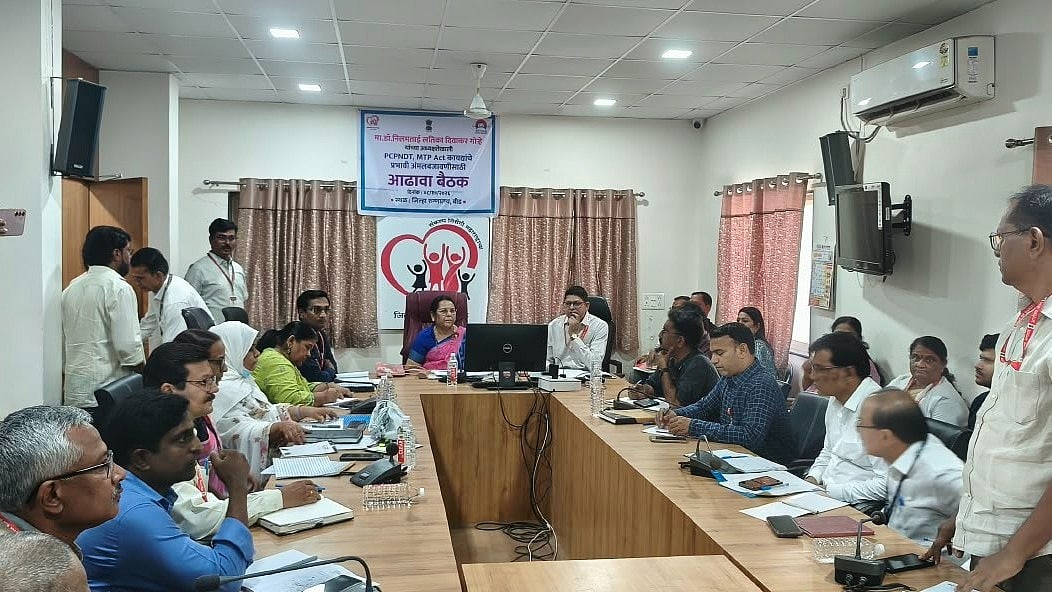
Neelam Gorhe met health officials in Beed to discuss care for people who travel for seasonal sugarcane work.
She said women, men and children in these groups need reliable medical help.
She wants each migrating group to have a trained health companion, called an Arogya Saathi.
Officials should also plan mobile clinics and make sure children receive vaccinations and nutrition services.
Gorhe asked officials to check whether hysterectomies at private hospitals were medically necessary.
She also wants closer monitoring of sonography centres to prevent illegal sex-determination tests.
The plan includes considering CCTV near these centres and setting up a confidential way to report concerns.
Activists at the meeting described healthcare and medicine shortages affecting migrants.

Neelam Gorhe reviewed migrant sugarcane workers’ healthcare and enforcement of the PCPNDT and MTP Acts in Beed.
She called for trained Arogya Saathis to accompany migrant groups and for mobile health units along mapped migration routes.
Officials were asked to audit hysterectomies at private hospitals and recommend action over unnecessary procedures.
Gorhe sought stronger checks on sonography centres, including CCTV planning, registration audits and confidential whistleblower helplines.
Activists raised drought-driven migration, gaps in care, concerns over Arogya Saathi selection and medicine shortages.
- Who
- Dr Neelam Gorhe, district health officials and social activists, including Manisha Tokle and Advocate Sangeeta Chavan.
- What
- Gorhe called for improved healthcare for migrant sugarcane workers and stronger enforcement against unnecessary hysterectomies and illegal sex-determination tests.
- Where
- The District Civil Surgeon’s office in Beed.
- When
- At a review meeting on Thursday; the article does not specify the date.
- Why
- To address health-service gaps affecting migrating sugarcane workers and strengthen enforcement of the PCPNDT and MTP Acts.
Enforcement and oversight
Patient rights and access to care
Sonography and abortion-centre inspections
Enforcement and oversight
Gorhe called for stronger monitoring of sonography centres, audits of records, investigations of alleged illegal practices and coordinated police-health inspections.
Patient rights and access to care
She also said inspections of abortion centres must not harass ethical practitioners, and patient confidentiality and dignity must be protected during MTP procedures.
Mandatory reporting and urgent treatment
Enforcement and oversight
Mandatory reporting is required in cases involving minors, child marriage or sexual assault.
Patient rights and access to care
Gorhe stressed that such reporting must not delay critical medical care.
Key facts
- Meeting location
- District Civil Surgeon’s office, Beed
- Meeting focus
- Migrant workers’ health, hysterectomies, and enforcement of the PCPNDT and MTP Acts
- Proposed health support
- A trained Arogya Saathi for every migrating group
- Sonography oversight
- Map centres and prepare a proposal identifying roads for CCTV surveillance
- Hysterectomy review
- Audit medical justifications for procedures at private hospitals
- Verification deadline
- Officials were asked to hold a verification meeting within three days to compare NGO inputs with official rosters
- Attending district official
- District Civil Surgeon Dr Satishkumar Solanke
Quotes
Dr Neelam Gorhe
MLC and chairperson of the state task force for the PCPNDT and MTP Acts
“Women who have undergone hysterectomies need routine post-operative follow-ups. They must be linked to menopause clinics for nutritional advice and psychological counselling.”
 freepressjournal.in
“Every migrating group must be accompanied by a trained Arogya Saathi equipped with an identity card, a first-aid kit and adequate training.”
freepressjournal.in
Sources
Related news
Maharashtra Plans MCOCA Action Against Foeticide Networks

Scindia Orders Immediate Ultrasound Service Upgrade at Ashoknagar Hospital

Ganjam Orders Crackdown on Abortion Pills Sold Without Prescriptions
West Bengal Considers Action Against Doctors at Sebashray Camps
Collector Orders Urgent Measures to Reduce Maternal, Infant Deaths
Wanaparthy Collector Orders Stronger Anemia-Free Pregnancy Program
Beed Deploys 37 Tankers to Supply Water to Residents

Nana Patekar Remembered for Helping Beed Families Rebuild Livelihoods
BJP Demands Urgent Action on Beed’s Escalating Water Crisis
Tree Felling in Kaij Raises Fears of Drought