

Archive · 10 Nov 2025
Supreme Court Upholds Exclusion of Political Parties from POSH Act
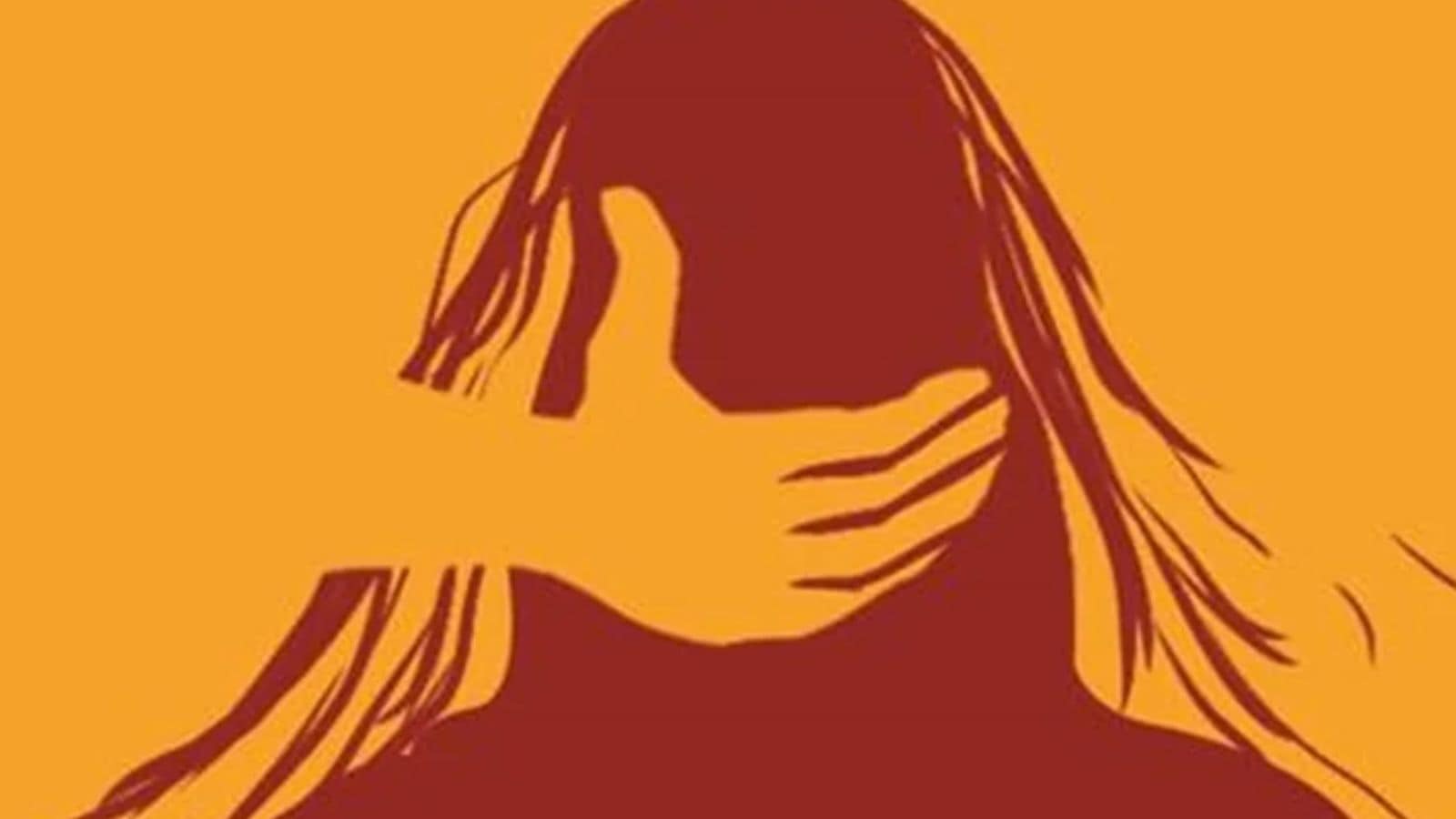
Imagine a rule that says all offices must have a special way to handle complaints if someone is being harassed.
This rule is called POSH.
For a long time, this rule has been used for many jobs.
But, some people asked if this rule should also apply to political parties, like where politicians work.
They said women working for parties, even if not paid, need protection too.
However, a court said that joining a political party is different from a regular job.
The court worried that this rule could be misused.
So, they decided that political parties do not have to follow the POSH rule for now.
This means women working in politics don't have the same official protection against harassment as people in many other jobs.

The Supreme Court dismissed a petition to include political parties under the POSH Act, 2013.
The Kerala High Court previously ruled that political parties are not 'workplaces' and thus not obligated to form internal complaints committees.
Arguments against inclusion cited the voluntary and unremunerated nature of political participation and fears of misuse, potentially opening a 'Pandora's box'.
Supporters argue that women in political parties, even without pay, face vulnerabilities and deserve statutory recourse, as the POSH Act includes voluntary workers.
The decision is seen by some as a setback for women's representation and safety in politics, insulating parties from a framework applicable to most other workplaces.
- Who
- The Supreme Court of India, and petitioners seeking to extend the POSH Act to political parties.
- What
- The Supreme Court dismissed a petition that sought to bring political parties under the purview of the Prevention of Sexual Harassment at Workplace (POSH) Act, 2013.
- When
- The Supreme Court's decision was made in September.
- Where
- India, specifically concerning the legal framework for workplaces and political institutions.
- Why
- The Court declined to interfere, following the Kerala High Court's reasoning that political parties are not 'workplaces' as defined by the POSH Act, citing concerns of potential misuse and the voluntary, unremunerated nature of political participation.
Arguments for POSH Act Inclusion
Arguments Against POSH Act Inclusion
Definition of Employee and Workplace
Arguments for POSH Act Inclusion
The POSH Act's definition of 'employee' includes those working voluntarily, and 'workplace' can be any location visited during work, encompassing roles within political parties.
Arguments Against POSH Act Inclusion
Political parties are not considered 'workplaces' under the Act because participation is voluntary and unremunerated, unlike formal employment.
Vulnerability of Women in Politics
Arguments for POSH Act Inclusion
Women working in political parties, even without a salary, face vulnerabilities to sexual harassment and deserve statutory recourse, similar to employees in other sectors.
Arguments Against POSH Act Inclusion
Extending the POSH Act to political parties could 'open a Pandora's box' leading to blackmail and misuse of the law.
Institutional Accountability
Arguments for POSH Act Inclusion
Political parties, functioning as employers, should have internal complaints committees to address sexual harassment, as is mandated for other workplaces. This ensures institutional accountability.
Arguments Against POSH Act Inclusion
The Supreme Court's dismissal of the petition indicates non-interference, suggesting existing legal frameworks are deemed sufficient or that imposing POSH might be an overreach.
- Case Name
- Yogamaya MG v. State of Kerala and Ors.
- Key Legislation
- Prevention of Sexual Harassment at Workplace (POSH) Act, 2013
- Previous Ruling
- Kerala High Court: Political parties are not 'workplaces' under the POSH Act.
- Supreme Court Decision
- Dismissed a Special Leave Petition seeking to bring political parties under the POSH Act.
- Women in 18th Lok Sabha
- 13.6%
- Upcoming Reservation
- One-third of seats for women from 2029 (Lok Sabha and State Assemblies).