

Archive · 14 Aug 2025
Sindh Hospitals Overwhelmed Amid Critical Staff, Bed Shortages
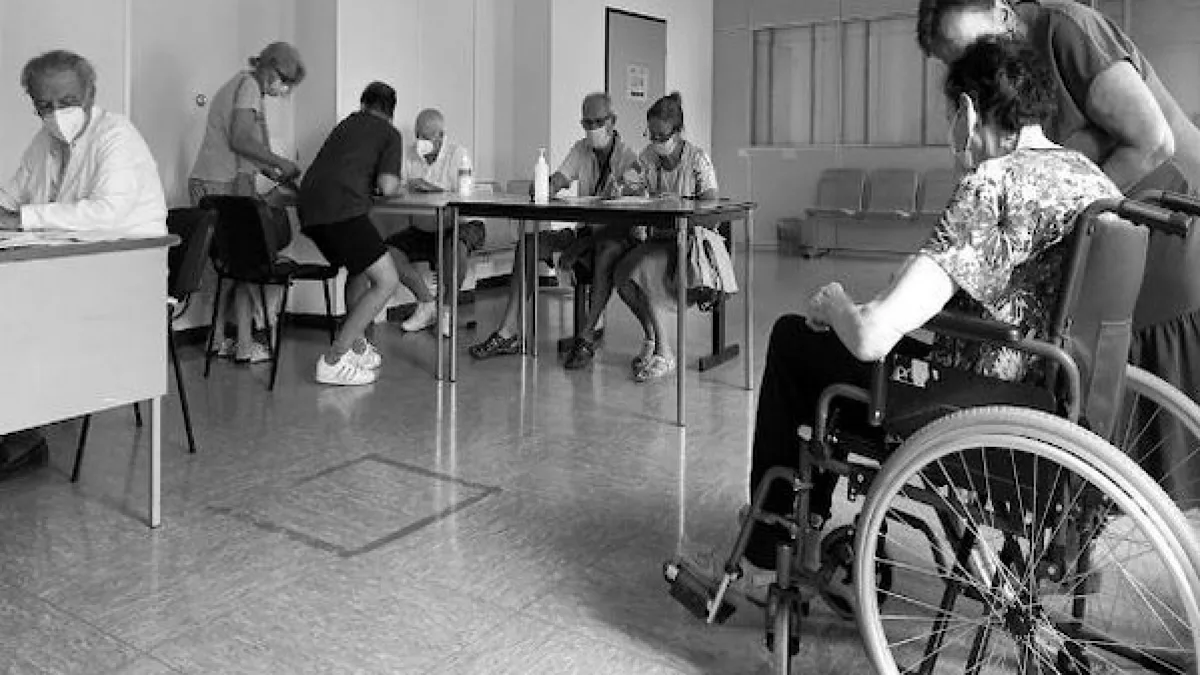
Hospitals in Sindh, Pakistan, are having a tough time.
They don't have enough beds, machines that help people breathe (ventilators), or doctors and nurses.
This means it's hard for people to get the care they need, especially those who are poor or come from far away.
Hospitals in Karachi are overflowing because hospitals in other areas don't have enough resources.
This causes long waits and makes it difficult for people to get treated quickly.
Hospitals are trying to help, but they need more staff and equipment.

Public hospitals in Sindh, particularly Karachi, face severe shortages of beds, ventilators, and staff.
Major Karachi hospitals have limited beds and ventilators, struggling to meet patient demand.
Patients from outside Karachi and disadvantaged backgrounds experience long wait times for treatment.
Shortages in district hospitals force patients to seek care in Karachi, increasing the strain.
ICU units in Jinnah Hospital are underutilized due to staff shortages impacting available beds.
- Who
- Patients seeking medical care, hospital staff, and the Sindh government are all affected.
- What
- Public hospitals in Sindh are experiencing severe shortages of beds, ventilators, and staff, leading to a crisis in healthcare provision.
- When
- The crisis is ongoing, with reports highlighting current conditions and challenges.
- Where
- Public hospitals in Sindh, Pakistan, particularly in Karachi.
- Why
- Insufficient facilities in district hospitals, lack of medical staff, and limited resources contribute to the crisis.
- Total Beds (Major Karachi Hospitals)
- 6,500
- Total Ventilators (Major Karachi Hospitals)
- 250
- Patients in Civil Hospital Accident Dept. (Daily)
- Approx. 2,000
- Civil Hospital Outpatient Dept. Visits (Daily)
- 8,000
- Civil Hospital Admissions (Daily)
- Approx. 200
- Shaheed Benazir Bhutto Trauma Centre Beds (Non-operational)
- 60
- Sindh Govt. Liaquatabad Hospital Beds
- 200
- Liaquatabad Hospital Ventilators in use
- 75%