

Archive · 28 Jul 2025
Elephantiasis Emerges as a Major Threat in Districts
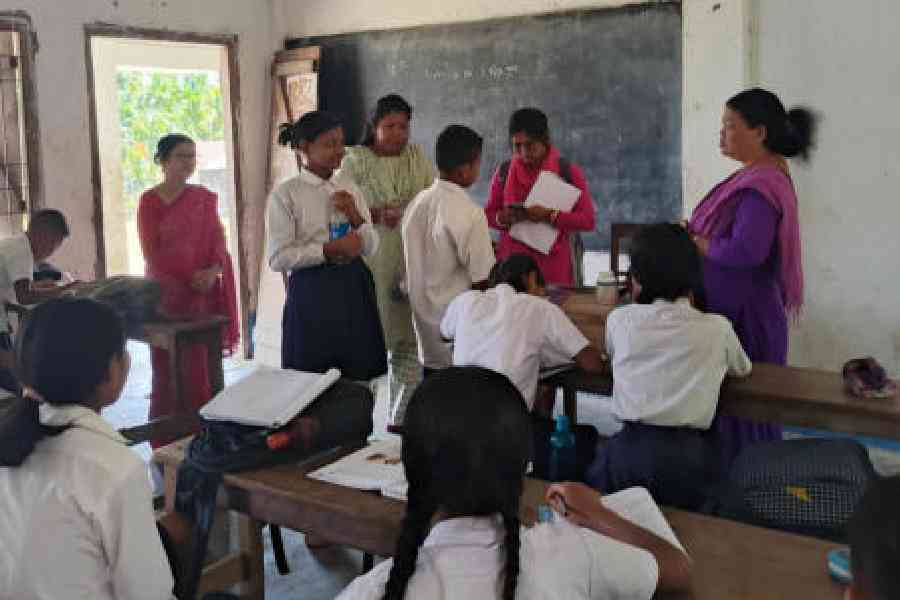
Imagine tiny worms getting into your body through mosquito bites, causing a disease called elephantiasis.
This is happening in some areas of Jalpaiguri and Alipurduar.
These worms block your body's cleaning system, making parts of your body swell up, like legs becoming big like an elephant's.
Doctors found many people with this problem.
Because there is no vaccine, they are giving out medicine to help people fight it.
Also, they are trying to stop more people from getting sick by teaching everyone how to stay safe, like keeping things clean to avoid mosquitoes.
They are going house to house to share the knowledge, particularly in tribal and tea garden communities.

Elephantiasis, spread by mosquitoes, is a growing health threat in Jalpaiguri and Alipurduar districts.
A recent survey identified at least 50 cases among around 5,700 residents in forest villages and tea gardens.
The disease causes severe deformities, particularly in the limbs, due to lymphatic system blockage.
Culex mosquitoes, which thrive in unsanitary conditions, transmit the parasitic worms causing elephantiasis.
The health department is distributing medication and intensifying preventive measures, including awareness campaigns.
- Who
- Residents of forest villages and tea gardens in the districts.
- What
- Elephantiasis cases are emerging as a major health threat.
- When
- A survey was conducted in June to detect the cases.
- Where
- Jalpaiguri and Alipurduar districts of West Bengal.
- Why
- Elephantiasis is caused by parasitic worms transmitted by Culex mosquitoes that thrive in unsanitary conditions.
Health officials perspective
WBTDCCL's perspective
Prevention strategies
Health officials perspective
Intensifying preventive measures through mosquito control and awareness campaigns, as well as providing medicines to build immunity.
WBTDCCL's perspective
Focus on education and sanitation is key to preventing elephantiasis.
- Disease
- Elephantiasis
- Transmission
- Culex Mosquitoes
- Surveyed Population
- Around 5,700 residents
- Identified Cases
- At least 50
- Affected Areas
- Jalpaiguri and Alipurduar districts
- Preventive Measures
- Mosquito control, awareness campaigns, door-to-door campaigns