Archive · 29 Sep 2026
Supreme Court Quashes Mulla Afroz’s NSA Detention in Sambhal Case
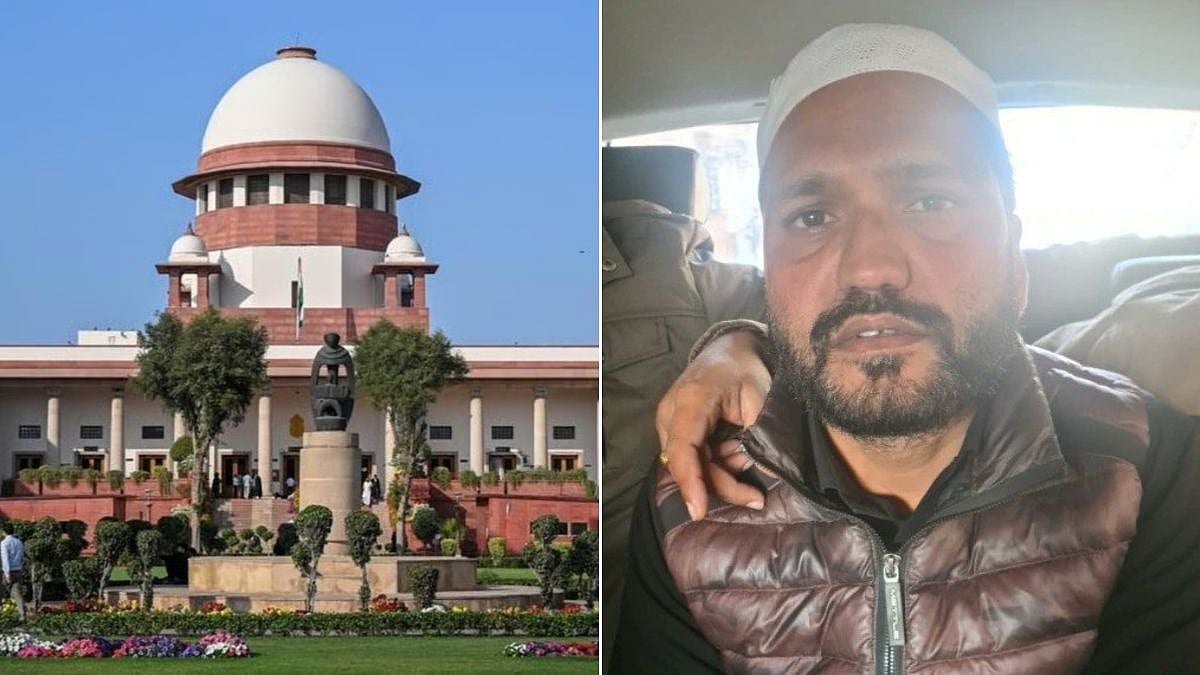
The Supreme Court reviewed the detention of Mulla Afroz in the Sambhal violence case.
Afroz had been held under a law called the National Security Act.
The government relied partly on an alleged confession made outside court.
The Supreme Court said such a confession can be considered, but it cannot be the only important reason for preventive detention.
Officials must also examine other relevant facts.
The Court found that this was not properly done in Afroz’s case.
It therefore cancelled his detention order.
The Allahabad High Court had earlier supported the detention.
The Supreme Court also ordered the Uttar Pradesh government to pay ₹10 lakh in costs.

The Supreme Court quashed Mulla Afroz’s preventive detention under Section 3(2) of the National Security Act.
The Court ruled that an alleged extra-judicial confession cannot be the sole basis for preventive detention.
It found that the detaining authority failed to consider other relevant circumstances before ordering Afroz’s detention.
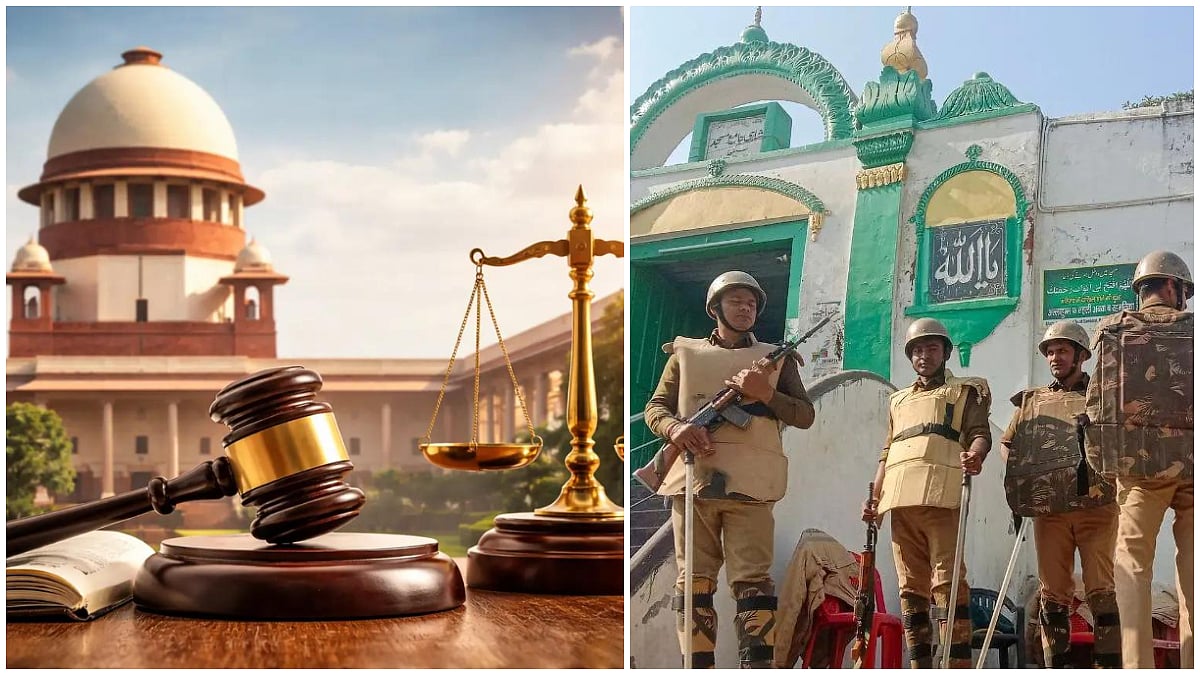
Afroz was detained in connection with violence during a court-ordered survey of Sambhal’s Shahi Jama Masjid in November 2024.
The Court set aside the Allahabad High Court’s decision and ordered the Uttar Pradesh government to pay ₹10 lakh in costs.
- Who
- The Supreme Court of India, Mulla Afroz, the Uttar Pradesh government, the Sambhal District Magistrate, and the Allahabad High Court were involved.
- What
- The Supreme Court quashed Afroz’s detention under the National Security Act and imposed ₹10 lakh in costs on the Uttar Pradesh government.
- When
- The violence occurred on November 24, 2024; Afroz was arrested on January 17, 2025; the detention order was issued on October 13, 2025; and the Supreme Court ruled on Tuesday, September 29, 2026.
- Where
- The incident occurred in Sambhal, Uttar Pradesh, and the case was decided by the Supreme Court of India.
- Why
- The Court found that the detention authority had wrongly relied on an alleged extra-judicial confession without adequately considering other relevant circumstances.
Afroz’s Challenge
Uttar Pradesh’s Defense
Sufficiency of detention material
Afroz’s Challenge
Afroz argued that the material against him was insufficient and substantially relied on an alleged extra-judicial confession.
Uttar Pradesh’s Defense
The Uttar Pradesh government relied on investigation material and alleged that Afroz helped instigate the crowd and could disturb public order.
Basis for preventive detention
Afroz’s Challenge
Afroz’s position was that a confession alone could not justify preventive detention under the National Security Act.
Uttar Pradesh’s Defense
The state argued that the violence had disturbed public order and that detention was necessary to prevent similar activities.
Judicial review
Afroz’s Challenge
The Supreme Court found that the material considered by the authority could not legally sustain Afroz’s detention.
Uttar Pradesh’s Defense
The Allahabad High Court held that the authority had considered the available material and that courts should examine whether it applied its mind, rather than reassess the material’s sufficiency.
- Detained person
- Mulla Afroz
- Detention law
- Section 3(2) of the National Security Act
- Detention order
- Issued by the Sambhal District Magistrate on October 13, 2025
- Arrest date
- January 17, 2025
- Related incident
- Violence during a court-ordered survey of the Shahi Jama Masjid in Sambhal on November 24, 2024
- Supreme Court outcome
- Detention quashed and ₹10 lakh in costs imposed on the Uttar Pradesh government
- Earlier ruling
- The Allahabad High Court had upheld the detention