

Archive · 7 Jun 2025
Is Water Wet? Scientists Debate Definitions and Interactions
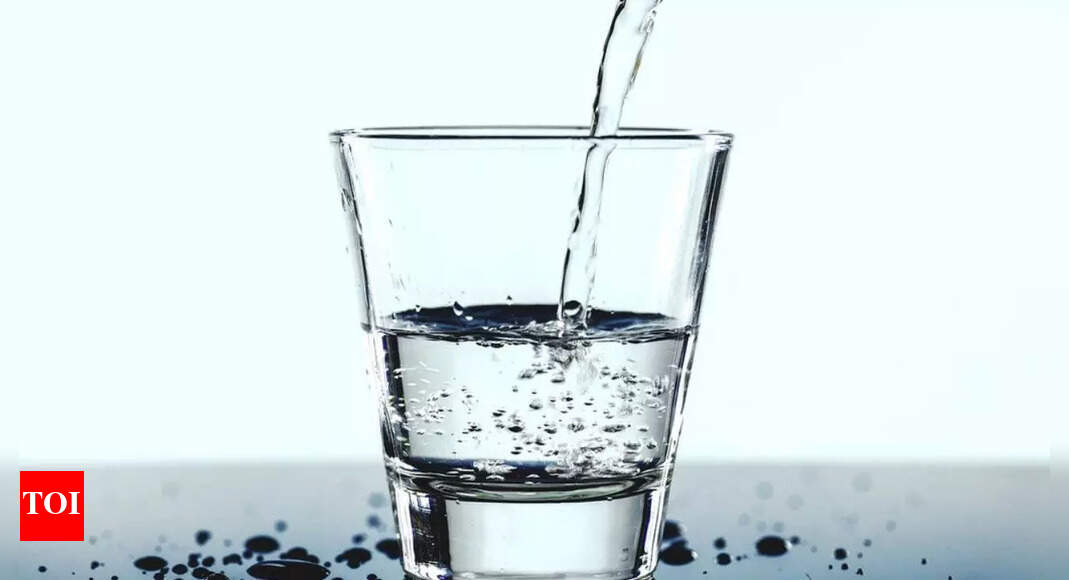
Imagine you're playing with water and a toy car.
Is the water itself wet?
Scientists have different ideas!
Some say wetness happens when water touches something else.
Water sticks to things because it's attracted to them (like glue), but also likes to stick to itself.
This is why water forms droplets.
If water sticks to a surface more than it sticks to itself, the surface gets wet.
The 'wetness' also depends on the surface – some surfaces, like waterproof ones, don't get wet easily.
So, whether water is wet depends on how you define 'wetness'.

Scientists are debating whether water is actually wet.
Wetness is often defined by a liquid's interaction with a solid surface.
Adhesive forces attract water to surfaces; cohesive forces keep water molecules together.
Hydrophobic surfaces repel water; hydrophilic surfaces attract it.
The definition of wetness is key to answering the question.
- Who
- Scientists and philosophers are debating this question.
- What
- Whether water itself can be considered 'wet'.
- When
- The scientific debate continues.
- Where
- The debate applies to the scientific world.
- Why
- The answer depends on how "wet" is defined, either in a physical sense, or a linguistic and philosophical sense.
Philosophers and Linguists
Scientists
Definition of Wetness
Philosophers and Linguists
Water itself is wet, as it is in contact with itself, and contains moisture.
Scientists
Water is not technically wet; it makes other things wet, according to many scientific experts.
- Key Concepts
- Cohesive and Adhesive Forces
- Surface Types
- Hydrophobic, Hydrophilic
- Measurement
- Contact Angle