

Archive · 25 Sep 2025
India's Saree Industry: Key Cities & Craftsmanship
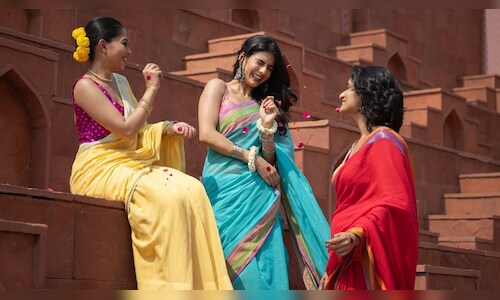
Imagine India's sarees as beautiful artworks, and different cities are like the artists' studios.
Surat makes shiny synthetic sarees, Varanasi creates luxurious silk ones, and Kanchipuram weaves colorful silk sarees, all with unique styles.
Mysuru is known for smooth silk sarees and Bhagalpur weaves Tussar silk.
The government helps these artists by protecting their work, ensuring the sarees stay authentic, and helping them sell their creations, both in India and around the world.
These cities are important because they keep the art of making sarees alive and help the people who make them.

Surat is a hub for synthetic saree production and zari work.
Varanasi is famous for Banarasi silk sarees, which are GI-tagged.
Kanchipuram is known for its vibrant silk sarees with GI protection.
Mysore produces high-quality silk sarees with refined craftsmanship and GI tags.
Bhagalpur is recognized for Tussar silk sarees, also with GI tags.
- Who
- Cities like Surat, Varanasi, Kanchipuram, Mysuru, and Bhagalpur.
- What
- Leading saree manufacturing and exports in India.
- When
- Ongoing, with roots in traditional craftsmanship.
- Where
- India.
- Why
- To preserve textile heritage and boost local economies.
- Key Cities
- Surat, Varanasi, Kanchipuram, Mysuru, Bhagalpur
- Industry Focus
- Handloom and silk sectors
- Surat Speciality
- Synthetic sarees with zari work
- Varanasi Speciality
- Banarasi sarees with GI tag
- Kanchipuram Speciality
- Kanchipuram silk sarees with GI tag
- Mysore Speciality
- Mysore silk sarees with GI tag
- Bhagalpur Speciality
- Tussar silk sarees with GI tag
- Government Role
- Support for handloom clusters and weavers