Archive · 13 Nov 2025
Quick Commerce Fee Waivers Hurt Delivery Worker Earnings Despite Customer Benefits

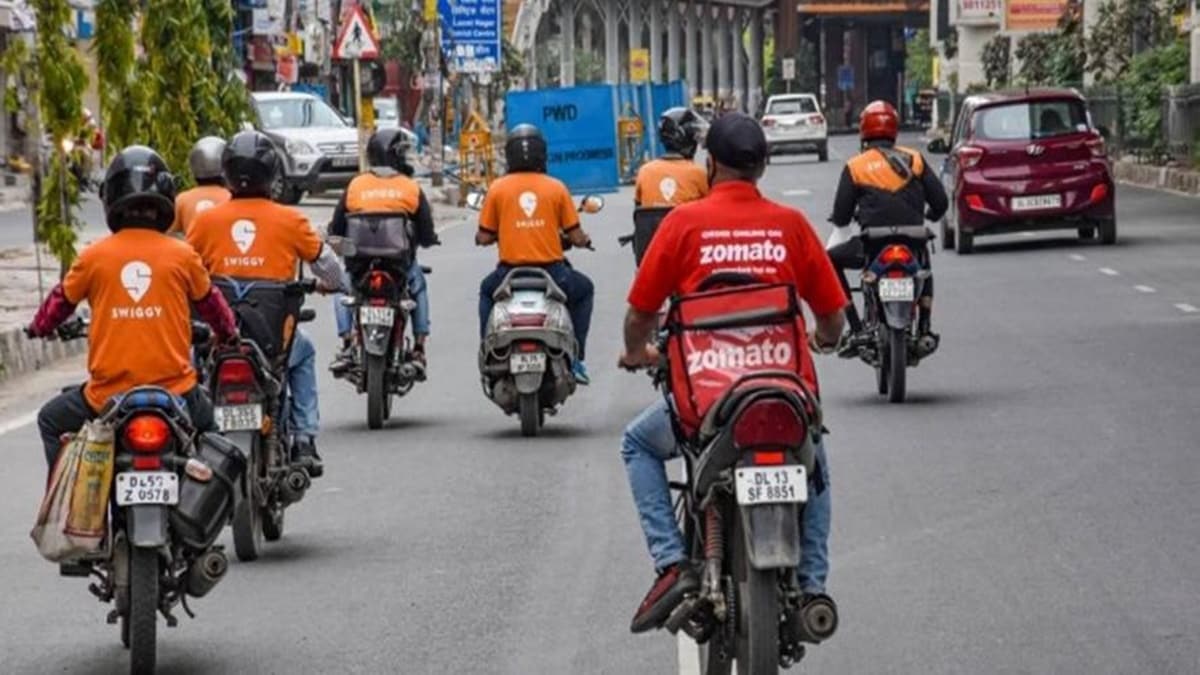
Imagine your favorite delivery app suddenly made things cheaper for you by removing some fees.
That's great for you, but it means the person delivering your order might be earning less money for each delivery.
Companies are now combining orders from people who live near each other into one trip, which helps the company save money and is more efficient.
However, this means the delivery person gets paid less for each of the combined orders than if they delivered them separately.
Also, the extra bonus payments, like 'surge bonuses,' that delivery people used to rely on have mostly gone away.
This makes their daily pay less predictable and can cause worry about their income.
While some companies say pay hasn't changed much and they still reward effort, delivery workers are seeing their earnings per order drop significantly.
This shift means that while customers save money, the people doing the deliveries might be taking home less pay.

Quick commerce platforms like Zepto and Swiggy have removed handling and surge fees, making orders cheaper for customers.
This has led to a significant drop in earnings per delivery for riders, falling to Rs 15-27 per order.
Increased order batching, a strategy to improve efficiency and protect platform margins, reduces the effective payout per order for delivery partners.
Surge bonuses have largely disappeared, replaced by shorter peak-hour incentives, leading to more volatile daily earnings for riders.
While platforms claim partner compensation remains stable, delivery partners report concerns about eroding base rates and unpredictable income.
- Who
- Quick commerce platforms (Zepto, Swiggy's Instamart) and their delivery partners
- What
- Removal of handling and surge fees, leading to reduced earnings for delivery partners due to increased order batching and disappearance of surge bonuses.
- When
- Earlier this month (for fee waivers), earnings decline intensified since September, with batched runs becoming a larger share throughout 2024.
- Where
- High-density urban zones in India.
- Why
- Fee waivers to attract customers have intensified pressure on delivery partners, forcing platforms to increase batching to protect margins, resulting in lower per-order earnings for riders.
Delivery Partners
Customers
Earnings and Order Payouts
Delivery Partners
Delivery partners face significantly reduced earnings per order, with payouts falling to Rs 15-27. Batched orders, which were intended to increase efficiency, result in a lower combined payout (Rs 20-49 for two orders) compared to separate deliveries (Rs 30-54), effectively reducing earnings to Rs 10-24.50 per order. This is exacerbated by the disappearance of all-day surge bonuses and more volatile daily payouts.
Customers
Customers benefit from cheaper orders due to the removal of handling and surge fees by platforms like Zepto and Swiggy's Instamart. This makes quick commerce more affordable and accessible.
Impact of Order Batching
Delivery Partners
While batching increases the number of orders handled daily (22-32 or more), the reduced per-order payout means overall earnings may not increase proportionally. Partners also spend more time navigating multiple addresses and returning to dark stores, with batch incentives not fully compensating for the loss in base earnings.
Customers
Customers may experience longer delivery times as their orders are batched with others. Platforms rarely disclose when orders are batched, leading to discrepancies between estimated and actual delivery times.
- Previous earnings per order (early 2024)
- Rs 34–42
- Current earnings per order (high-density zones)
- Rs 15–27
- Batched order payout (two orders)
- Rs 20–49
- Effective earnings per batched order
- Rs 10–24.50
- Orders handled per day (previously)
- 22–32
- Orders handled per day (currently)
- 22–32 or more
- Blinkit's average delivery cost
- Rs 31 per order (Q2 FY26)