

Archive · 20 Nov 2025
Kashmir's Saffron Yields Drop Amid Climate Change and Farmland Loss
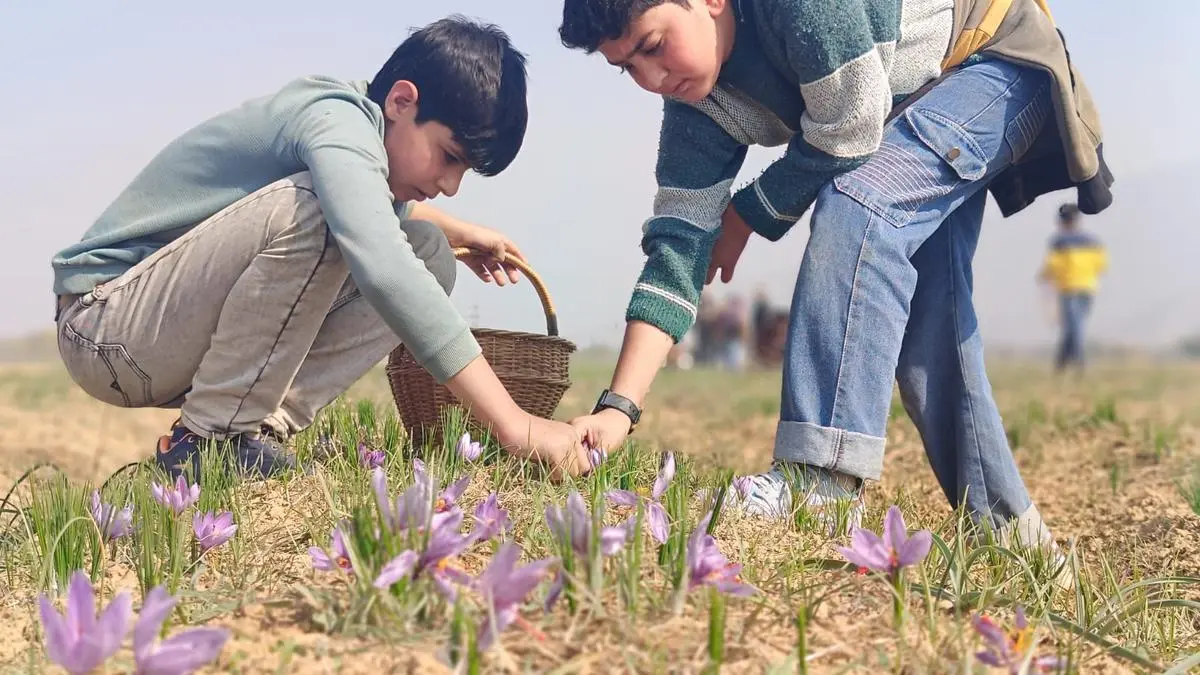
Saffron farmers in Kashmir are having a tough time.
This year's harvest is much smaller than usual, and they think it's because of weird weather and not enough rain.
The government tried to help, but their plans didn't work out as expected.
This is bad news for farmers and the famous saffron crop that Kashmir is known for.

Saffron yields in Kashmir have significantly declined this year
Farmers blame dry winter and erratic weather patterns for the poor harvest
Climate change and unregulated farmland conversion threaten the heritage crop
Government's saffron protection act and irrigation mission have had limited impact
Pampore, the saffron hub, has seen a reduction in cultivation area over the years
- Who
- Saffron farmers in Kashmir, particularly in Pampore
- What
- Experiencing a sharp decline in saffron yields
- When
- This year, with a decline noticed over the past few years
- Where
- Pampore, Kashmir
- Why
- Due to climate change, erratic weather patterns, and unregulated farmland conversion
Farmers' Perspective
Government's Perspective
Impact of Climate Change
Farmers' Perspective
Farmers blame climate change for poor yields and damaged corms
Government's Perspective
Government officials acknowledge climate change's impact but offer limited solutions
Government Initiatives
Farmers' Perspective
Farmers criticize the National Saffron Mission for not fully materializing
Government's Perspective
Government claims the mission was introduced to offset dry spells but provides no evidence of its success
- Saffron cultivation area in Kashmir
- Reduced from 5,700 hectares in the late 1990s to 3,665 hectares in 2025
- Number of households depending on saffron
- More than 20,000 in Pampore alone
- Estimated yield decline
- Around 25% compared to last year, with a long-term downward trend