Archive · 4 Sep 2026
Indian Athletes Test Container Rooms Ahead of Asian Games
Indian athletes are getting ready for a big sports competition in Japan.
This time, the Games will not use one large athletes’ village.
Some athletes may stay in containers, hotels or a cruise ship.
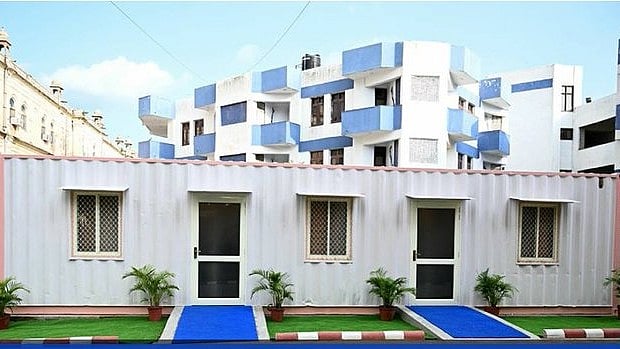
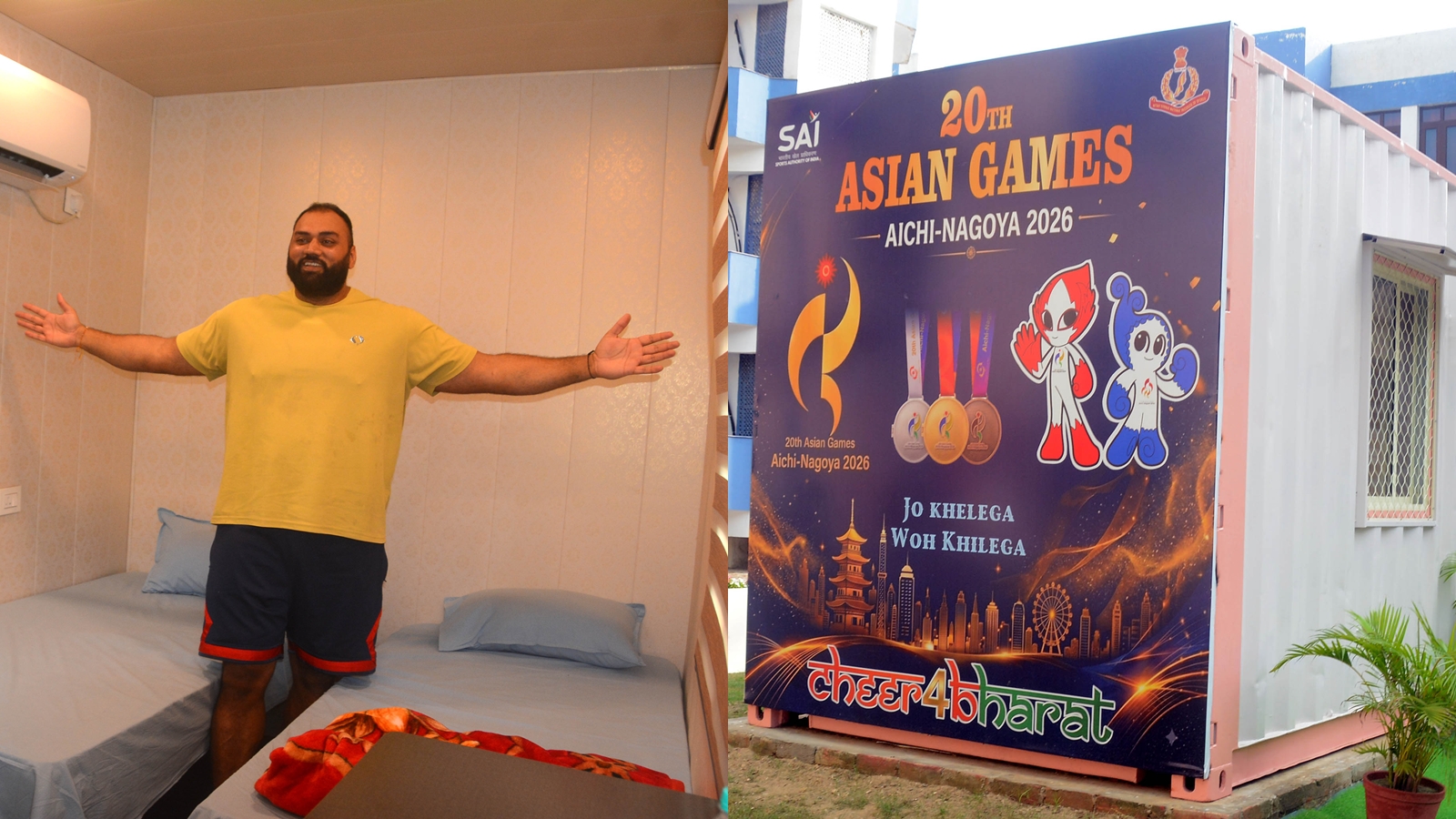
To help them prepare, India has made small container rooms in Patiala and Bengaluru.
Athletes sleep there and practice their usual routines.
The rooms have beds, air-conditioning, bathrooms, a small kitchen and storage for sports equipment.
Some athletes found the rooms difficult at first, especially those who need more space.
India is also serving Japanese food, such as sushi, so athletes know what to expect.
The goal is to help them focus on winning medals instead of worrying about their accommodation or food.

The Sports Authority of India is using simulated shipping-container rooms in Patiala and Bengaluru to prepare athletes for the 2026 Aichi-Nagoya Asian Games.
The Games will not have a conventional athletes’ village; accommodation options include containers, hotel rooms and a cruise ship.
Athletes are staying overnight in rotating groups and following their normal morning routines before training.
The roughly 13-metre-long, three-metre-wide units include twin-sharing bedrooms, air-conditioning, laundry facilities, a kitchenette, bathrooms and equipment storage.
SAI is also introducing Japanese food, including sushi, while athletes report that the compact rooms and unfamiliar cuisine require some adjustment.
- Who
- Indian athletes, the Sports Authority of India, SAI official Vineet Kumar, and India’s support staff and officials.
- What
- A preparation programme is familiarising athletes with container accommodation and Japanese food before the Aichi-Nagoya Asian Games.
- When
- The container exercise began on August 28; the Games are scheduled to begin on September 19, 2026.
- Where
- The simulations are being held at the Netaji Subhas National Institute of Sports in Patiala and a Sports Authority of India centre in Bengaluru; the Games will take place in Japan.
- Why
- The programme aims to reduce surprise, discomfort and logistical distractions so athletes can concentrate on competition.
Preparation Benefits
Adjustment Challenges
Compact accommodation
Preparation Benefits
SAI officials and athletes said overnight practice can make unfamiliar accommodation feel familiar and prevent it from distracting competitors in Japan.
Adjustment Challenges
Seema Kaliramna said the rooms were difficult to adjust to initially because throwers need more space, while Tajinderpal Singh Toor noted that tall, well-built athletes and their equipment may face space constraints.
Food acclimatisation
Preparation Benefits
SAI Bengaluru introduced Japanese dishes after consulting athletes and a nutritionist so competitors would know what to expect at the Games.
Adjustment Challenges
Pole-vaulter Sindhusree G said the food did not suit her palate for the first two or three days before she became accustomed to it.
- Organiser
- Sports Authority of India
- Simulation locations
- Patiala and Bengaluru
- Container size
- Approximately 13 metres long and three metres wide; one report describes the units as 40 by 8 feet
- Facilities
- Twin-sharing bedrooms, air-conditioning, a washing machine, kitchenette, bathroom and storage cabinets
- Accommodation options in Japan
- Containers, hotel rooms and a cruise ship, rather than a conventional athletes’ village
- Participation
- Reports said either around eight or nine athletes had stayed in the containers when published
- Indian contingent
- 503 athletes with 256 accompanying support staff and officials
- Food preparation
- Japanese dishes, including sushi, were introduced at the Bengaluru centre