

Archive · 28 Nov 2025
Automakers Clash Over CAFE-III Incentives for Small Cars
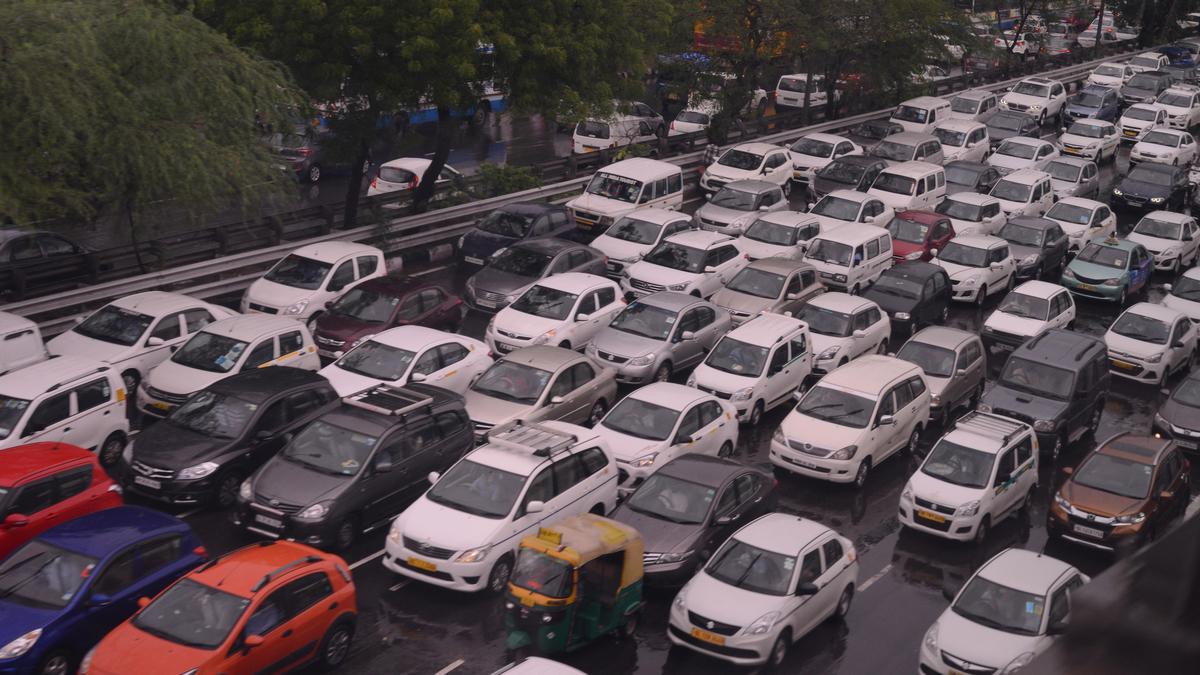
Big car companies like Hyundai, Tata, and Mahindra are arguing against giving special benefits to small cars under new fuel efficiency rules.
They say small cars are not safe and could slow down the use of electric vehicles.
Maruti Suzuki, which makes many small cars, disagrees.
They say small cars use less fuel and produce less pollution.
The government is still deciding on the rules, which will start in 2027.
Both sides are worried about the impact on the environment and the car market.

Hyundai, Tata, M&M, and MG Motor India lobbied against incentivizing small cars under CAFE-III norms.
They argue that relaxing norms for small cars undermines efforts to reduce crude oil imports and could compromise vehicle safety.
Maruti Suzuki counters that small cars are more fuel-efficient and emit less CO2, benefiting national interests.
Maruti claims all small cars meet the same safety standards as larger vehicles and offers advanced safety features.
The Bureau of Energy Efficiency (BEE) is finalizing CAFE-III standards, set to be effective from April 1, 2027.
- Who
- Hyundai, Tata, M&M, Maruti Suzuki, MG Motor India
- What
- Lobbying against incentives for small cars under CAFE-III norms
- When
- November 28, 2025
- Where
- India
- Why
- Disagreement over fuel efficiency, safety, and market impact
- CAFE-III Norms
- Upcoming fuel efficiency standards for four-wheelers
- Effective Date
- April 1, 2027 to March 31, 2032
- Small Car Weight
- Below 909 kg
- Crude Oil Imports
- 242.4 million tonnes in FY2025
- CO2 Reduction Target
- 25% for heavy cars, 44% for small cars
- Maruti's Market Share
- 95% in cars below 909 kg
- Safety Standards
- Same crash test regulations as Europe
