

2 hrs ago
The Memory Museum Explores Identity, Preservation, and Forgetting
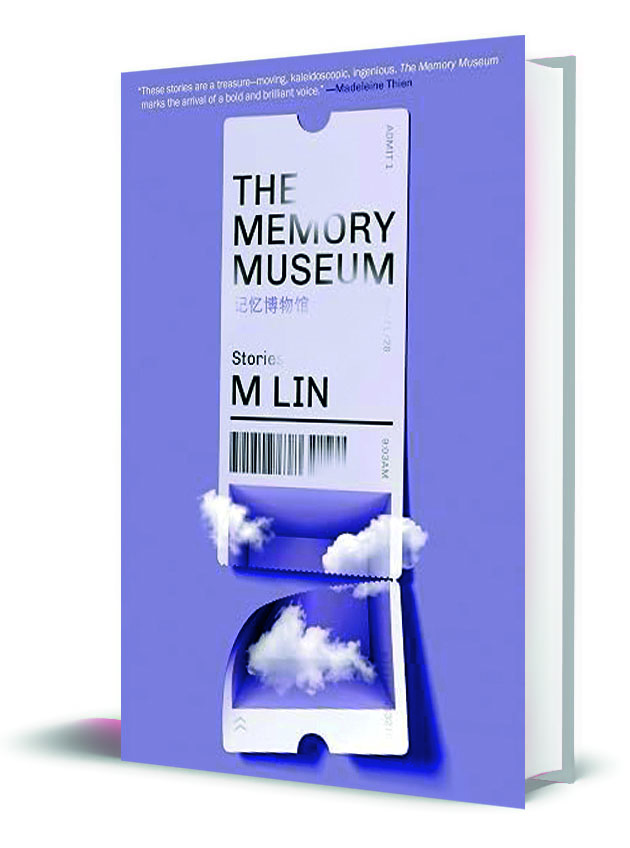
The Memory Museum is a novel by M. Lin about memories.
It imagines a place where memories can be saved and visited again.
The story asks how our memories help make us who we are.
It also points out that memories can change over time.
The museum must choose what to keep, just as people decide which parts of their past to hold on to.
Some memories can comfort us, while others can make it hard to move forward.
The book explores love, loss, history, and belonging.
It moves slowly and encourages readers to think about its questions.
One big question is whether we can trust the stories we tell ourselves about the past.

M. Lin’s The Memory Museum treats memory as something that can be collected, preserved, and revisited.
The novel explores how memory shapes identity, relationships, and people’s understanding of their pasts.
Its museum setting raises questions about what is preserved and what is left behind.
The book considers how loss, love, history, and belonging connect the past to the present.
The review describes the novel as reflective and contemplative, with an appeal rooted in its ideas rather than a fast-moving plot.
- Who
- Author M. Lin and the novel’s readers.
- What
- A review of The Memory Museum, a contemplative novel about memory, identity, and the past.
- Where
- The story centers on a museum where memories can be preserved and revisited.
- When
- Why
- The novel examines how memories shape identity and asks what people should preserve or leave behind.
Key facts
- Book
- The Memory Museum
- Author
- M. Lin
- Central themes
- Memory, identity, and the past
- Setting metaphor
- A museum that preserves memories
- Other themes
- Loss, love, history, and belonging
- Style
- Reflective and atmospheric
- Plot pace
- Deliberately contemplative rather than fast-moving
Sources
Related news

Why Private Libraries Hold More Than Just Books

Artists Trace How Memory and Time Remain in Material
Amit Chaudhuri Explores Writing, History and Paris in Château Rouge

Gurnah’s Fiction Explores Trauma, Memory, Survival and Belonging

Janice Pariat Finds Living History Across Britain’s Archives
