

Archive · 6 Sep 2025
NMIA Prioritizes Bird Safety, Wetlands, and ICAO Compliance
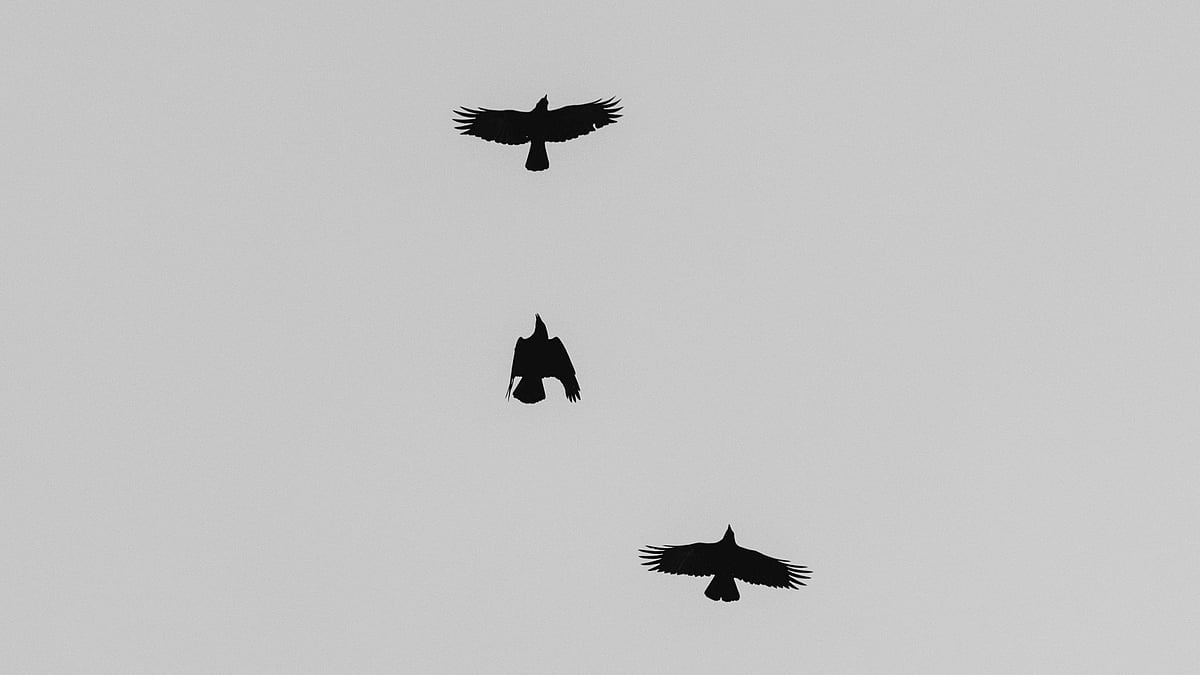
The Navi Mumbai airport wants to keep both airplanes and birds safe.
They have a special plan, WHMP, to watch where birds are and how they fly.
Most birds usually fly low, staying out of the way of planes.
The airport is working with experts and the government to protect nearby wetlands, like homes for birds such as flamingos, because protecting these wetlands will keep the birds and planes safe.
The airport has promised to follow safety rules set by ICAO.

NMIA is implementing measures to ensure bird safety and comply with ICAO standards.
The Wildlife Hazard Management Programme (WHMP) includes bird hazard monitoring.
BNHS research shows birds typically fly below aircraft paths.
Environmentalists emphasize the importance of conserving nearby wetlands.
Protecting wetlands is key to preventing bird strikes and preserving habitats.
- Who
- Navi Mumbai International Airport (NMIA), ICAO, Bombay Natural History Society (BNHS), Environmentalists
- What
- NMIA is implementing measures for bird safety and wetland protection around the airport.
- When
- Ongoing.
- Where
- Navi Mumbai International Airport (NMIA) and surrounding wetlands.
- Why
- To ensure safe skies for aircraft, protect bird habitats, and comply with ICAO standards.
- Airport
- Navi Mumbai International Airport (NMIA)
- Organization Assured
- ICAO (International Civil Aviation Organization)
- Key Program
- Wildlife Hazard Management Programme (WHMP)
- Bird Monitoring Radius
- 13-km
- Bird Research
- Bombay Natural History Society (BNHS)