

Archive · 25 Sep 2025
Hidden Credit Card Fees: A Breakdown of Costs
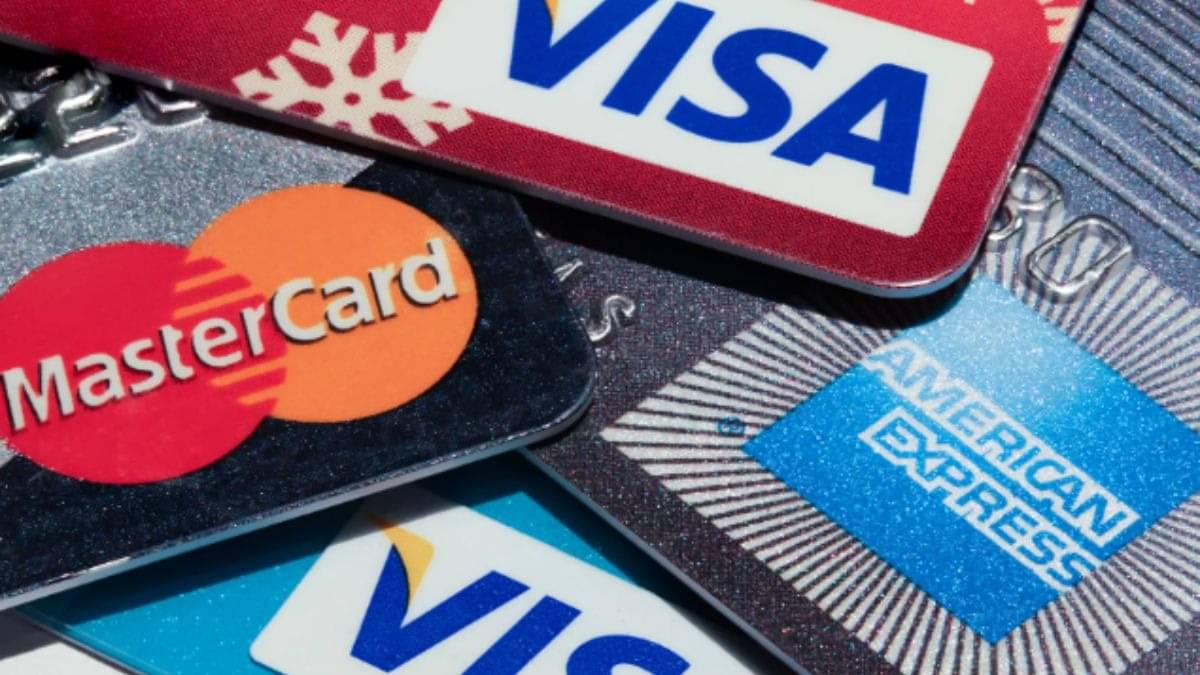
When you use a credit card, it seems easy, but there are hidden fees.
Merchants pay a percentage of each sale to banks and payment networks.
Card companies like Visa and Mastercard also charge fees to banks.
Cardholders can also be charged for late payments or withdrawing cash.
Some alternatives like digital wallets may be cheaper.
Experts suggest paying on time and being aware of these extra costs.

Credit card transactions involve fees from banks and payment networks.
Merchants pay a Merchant Discount Rate (MDR), which can be passed on to consumers.
Interchange fees go to the bank that issued the card.
Cardholders may face fees for late payments or cash withdrawals.
Alternatives like UPI and digital wallets may offer lower costs.
- Who
- Banks, payment networks, merchants, and cardholders.
- What
- Hidden fees associated with credit card transactions.
- When
- Not explicitly mentioned in the articles.
- Where
- Fees apply to credit card transactions everywhere.
- Why
- To cover processing costs, lending risks, and generate revenue.
- Merchant Discount Rate (MDR)
- 1% to 3% of the purchase amount
- Interchange Fees
- Charged by card networks to issuing banks
- Additional Fees for Cardholders
- Late payment, annual, cash withdrawal, and foreign transaction charges
- Alternative Payment Methods
- UPI and digital wallets may be cheaper than card payments