Archive · 25 Sep 2025
Study: Common 'Healthy' Indian Foods May Be Unhealthy
Many people in India try to eat healthy, but some foods labeled as healthy might not be.
For example, soya chunks, a protein source, can be highly processed.
Palak paneer might not be as healthy because the spinach could block the body from absorbing calcium from the paneer.
Ready-to-eat breakfasts and low-fat snacks can contain lots of sugar and salt to make them taste better.
The best approach is to pay attention to how food is made and what's in it.

Some Indian foods, marketed as healthy, may be less nutritious than expected.
Soya chunks are often highly processed and not as beneficial as natural soy.
Palak paneer's spinach can hinder calcium absorption from the paneer.
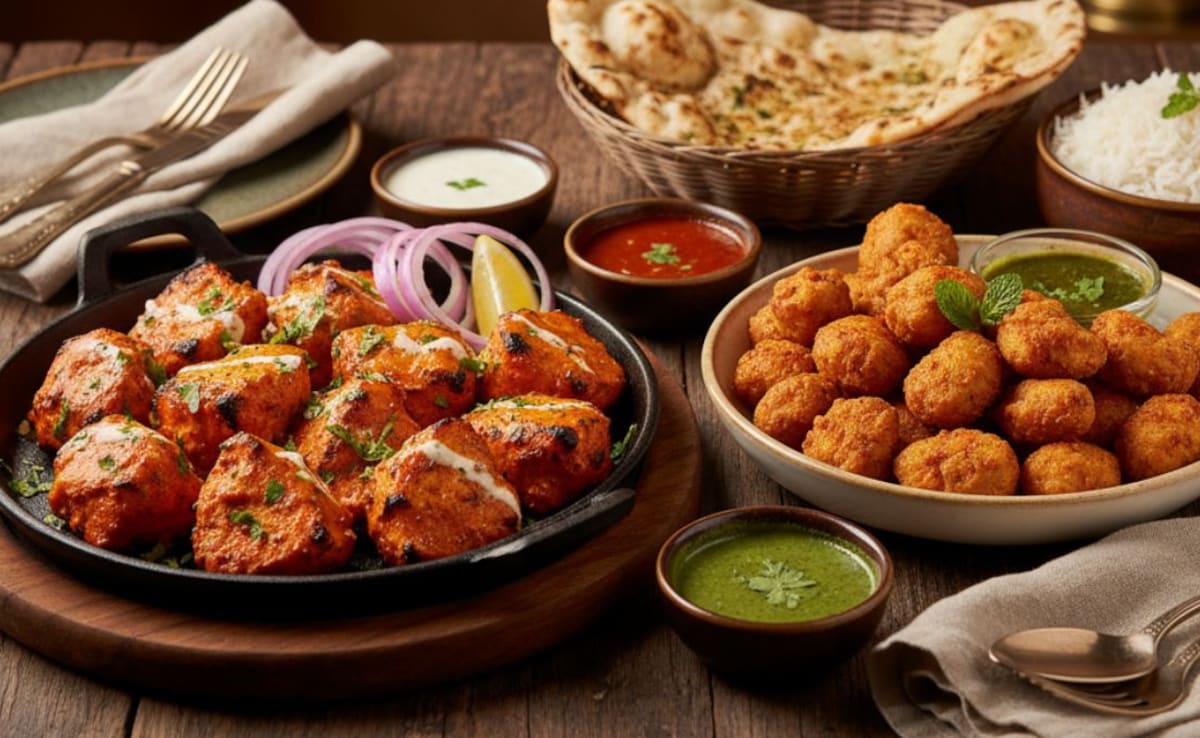
Tandoori dishes often contain high amounts of oil and artificial coloring.
Instant breakfast options can contain added sugars, salt, and refined flours.
- Who
- N/A
- What
- Some commonly eaten 'healthy' Indian foods may be less beneficial than perceived.
- When
- N/A
- Where
- India
- Why
- Processed ingredients, additives, and preparation methods can diminish nutritional value.
- Main Focus
- Some popular Indian foods marketed as healthy may not be.
- Foods Mentioned
- Soya chunks, palak paneer, tandoori items, instant breakfasts, multigrain atta, low-fat dairy snacks.
- Soya Chunks Concern
- Highly processed, may behave differently than natural soy products.
- Palak Paneer Concern
- Spinach oxalates may inhibit calcium absorption from paneer.
- Instant Breakfast Concern
- May contain high amounts of sugar, salt, stabilizers, and refined flours.